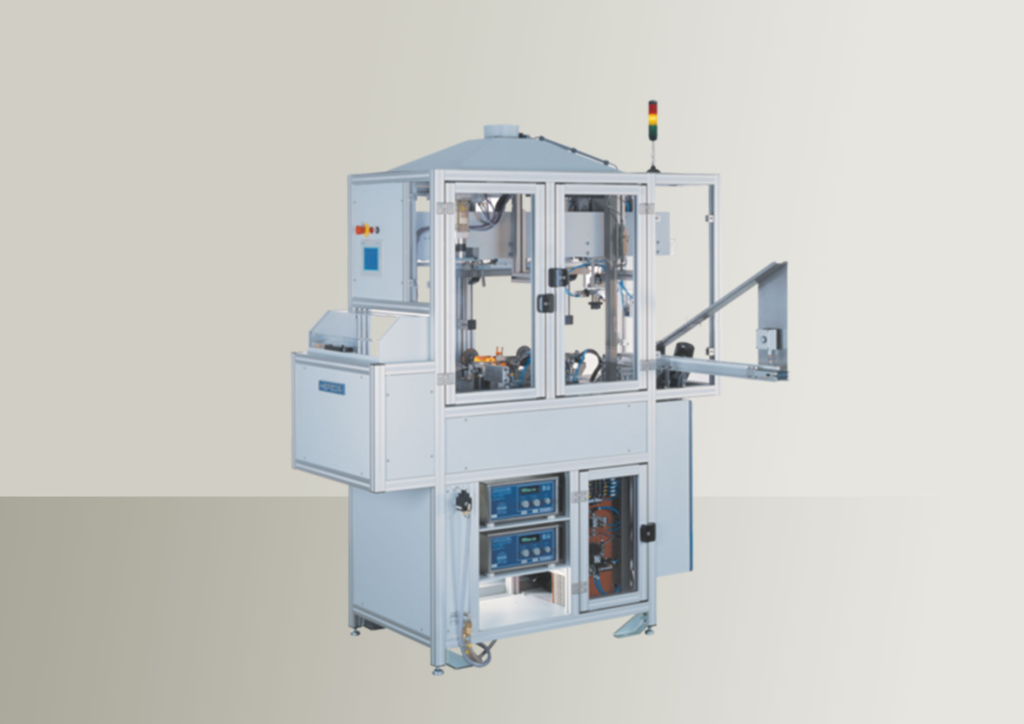
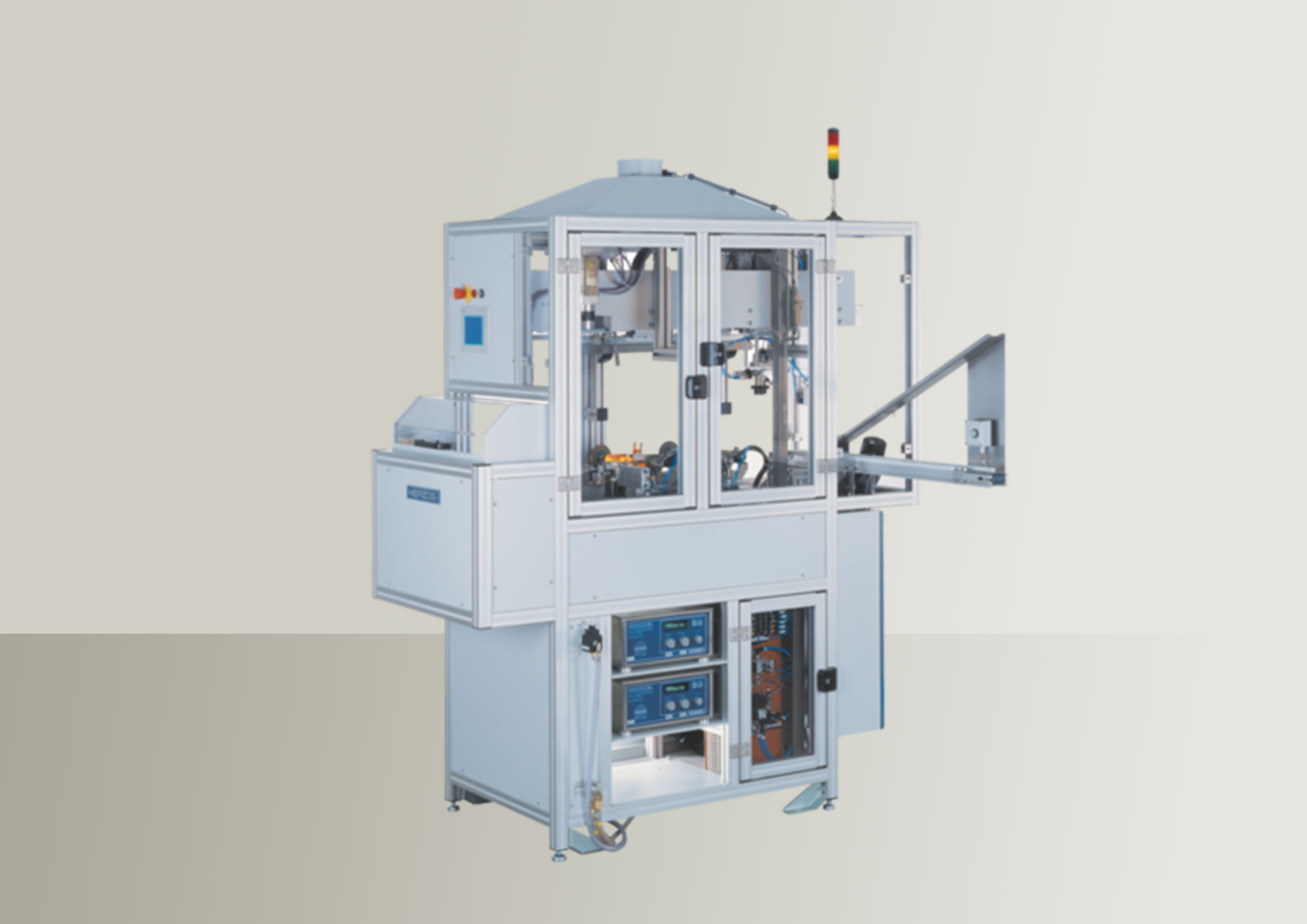
The semi-automatic solution for fusion with high-frequency induction technology- Maximum quality and throughput for efficient laboratory operation
Use
- Preparation of fused beads (various diameter)
Material
- Different oxidic sample material, e.g., cement, slag, ores, ferroalloys (feed size 200 µm)
Operation mode
- Semi-automatic
All advantages at a glance
Ideal for use in modern labs with high throughput
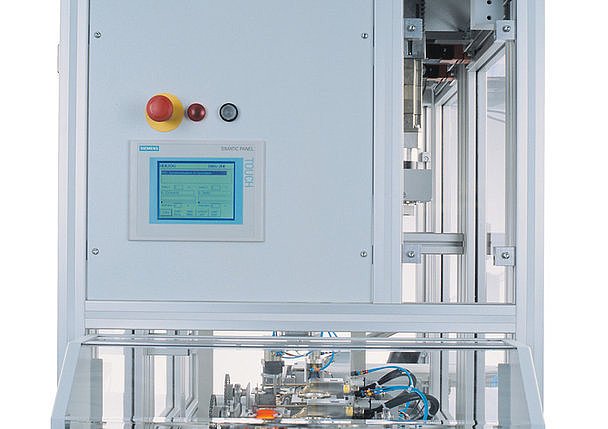
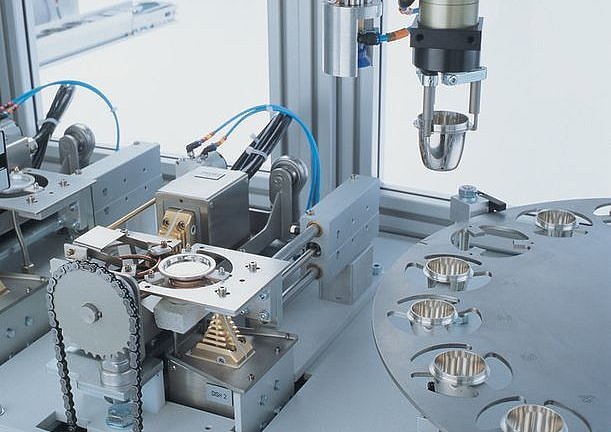
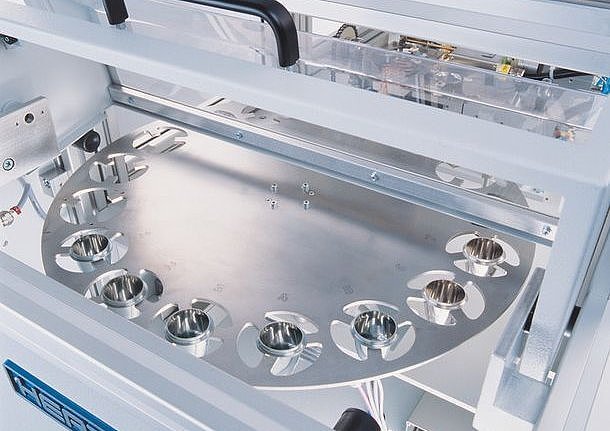
Up to 16 crucibles with pre-weighed borate/sample mixture can be placed in the 16-position input magazine. A specific fusion programme can be assigned to each sample on the control panel. A portal system transfers the crucibles to the respective fusion unit.
The solution for demanding applications
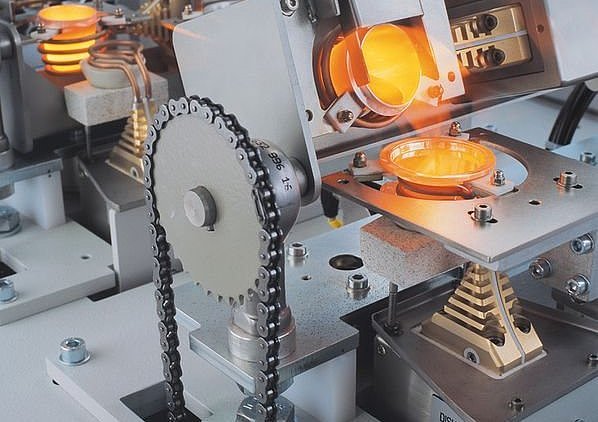
The HA-HF 16 offers you comprehensive functionality and flexibility for carrying out your demanding analytical tasks. Fusion using the induction process enables the melt to be heated quickly and instantaneously to the specified temperature.
The system operates without inertia and makes it possible to undergo complex preparation cycles requiring extremely precise temperature ramp up. This is useful for preparation procedures of, e.g., ferroalloys depending on several different oxidation and fusion steps of exactly defined temperatures and time lengths.
Short fusion time and fast ramping up
The HA-HF 16 reaches fusion temperatures of up to 1300°C within a very short time and cools down to room temperature just as quickly due to the lack of insulation. Compared to fusion systems with a resistance furnace, the HA-HF 16 therefore offers a clear advantage for more complex fusion processes in which different temperature levels have to be used. The downtime of the device for cooling down the furnace, during which no sample preparation can be carried out, is reduced, enabling a higher sample throughput. The induction-activated convection in the melt allows quicker dissolution of samples and good thorough homogenisation.
Additionally, the crucible is oscillated in a circular movement to improve homogenization of the melt. Moreover, the crucible can be tilt by 45°.
Removal of the glass beads and/or spectrometer connection
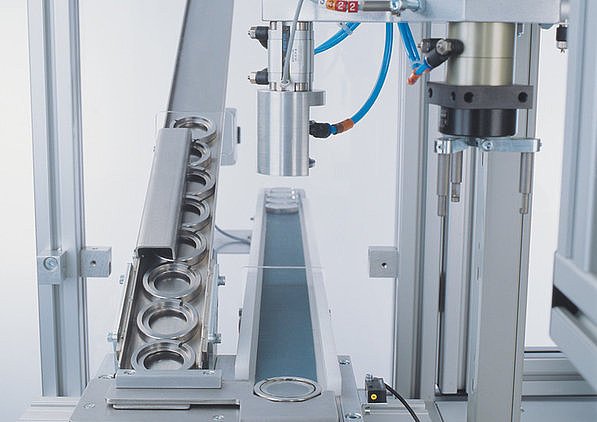
After the glass bead has cooled down, it is removed from the dish by a vacuum suction gripper. The finished bead sample can either be made available to the operator in the turntable magazine or sent to the spectrometer via a conveyor belt. This makes the fusion machine the perfect first step towards automation.
Design options:
- Output conveyor system with magazine function
- Extractor fan
- Separate chiller for water
- Multiple light