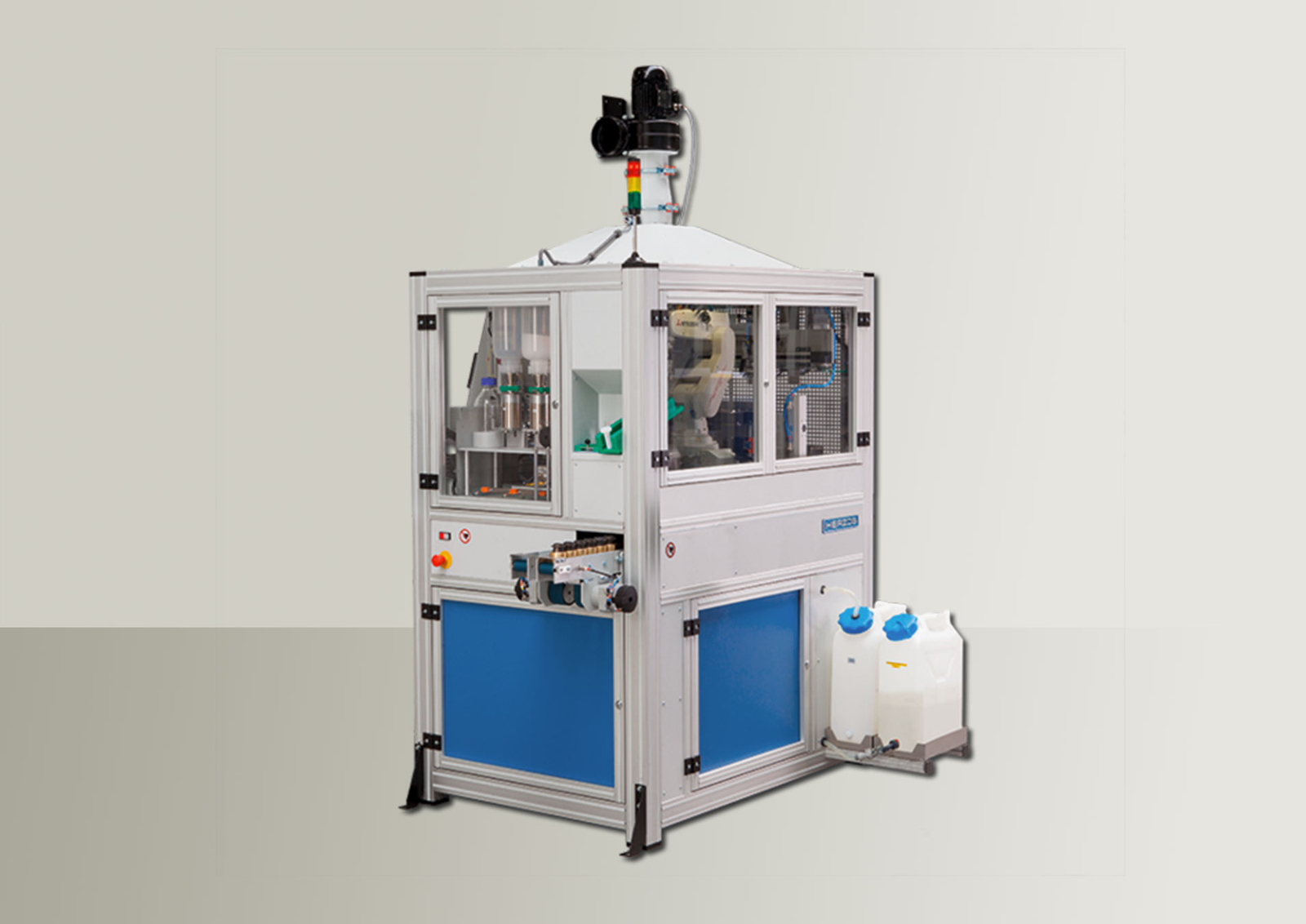
The solution for the fully-automatic fusion process- Highest precision and quality for highest analytical performance
Use
- Preparation of fused beads
Material
- Different oxidic sample material, e.g., cement, slag, ores, ferroalloys
Operation mode
- Automatic
All advantages at a glance
Fully automatic borate fusion
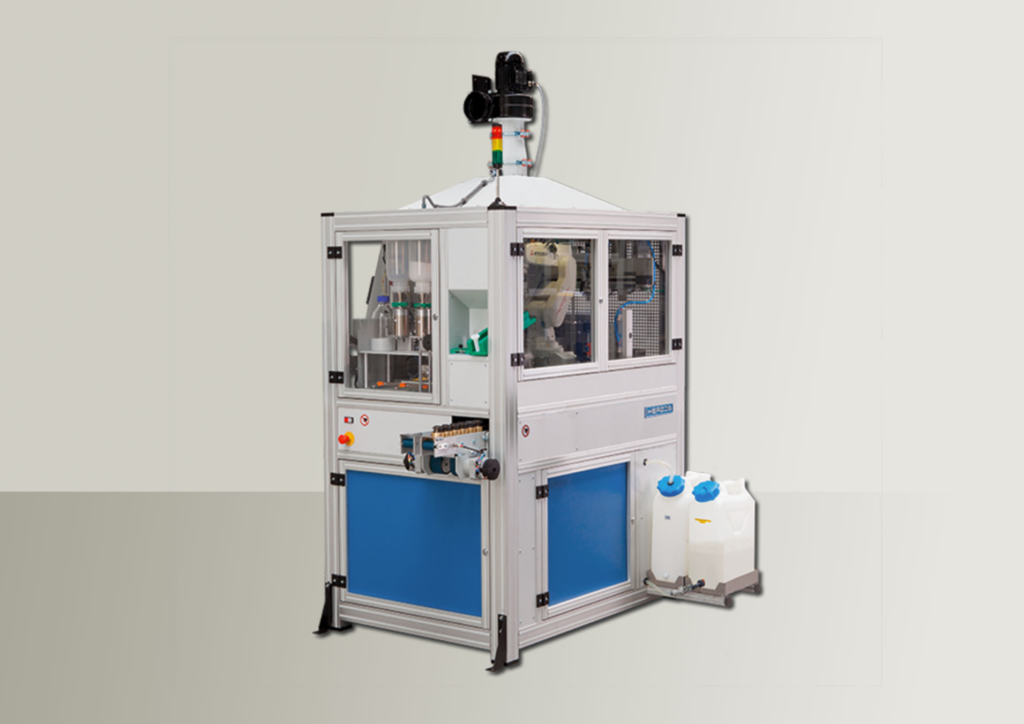
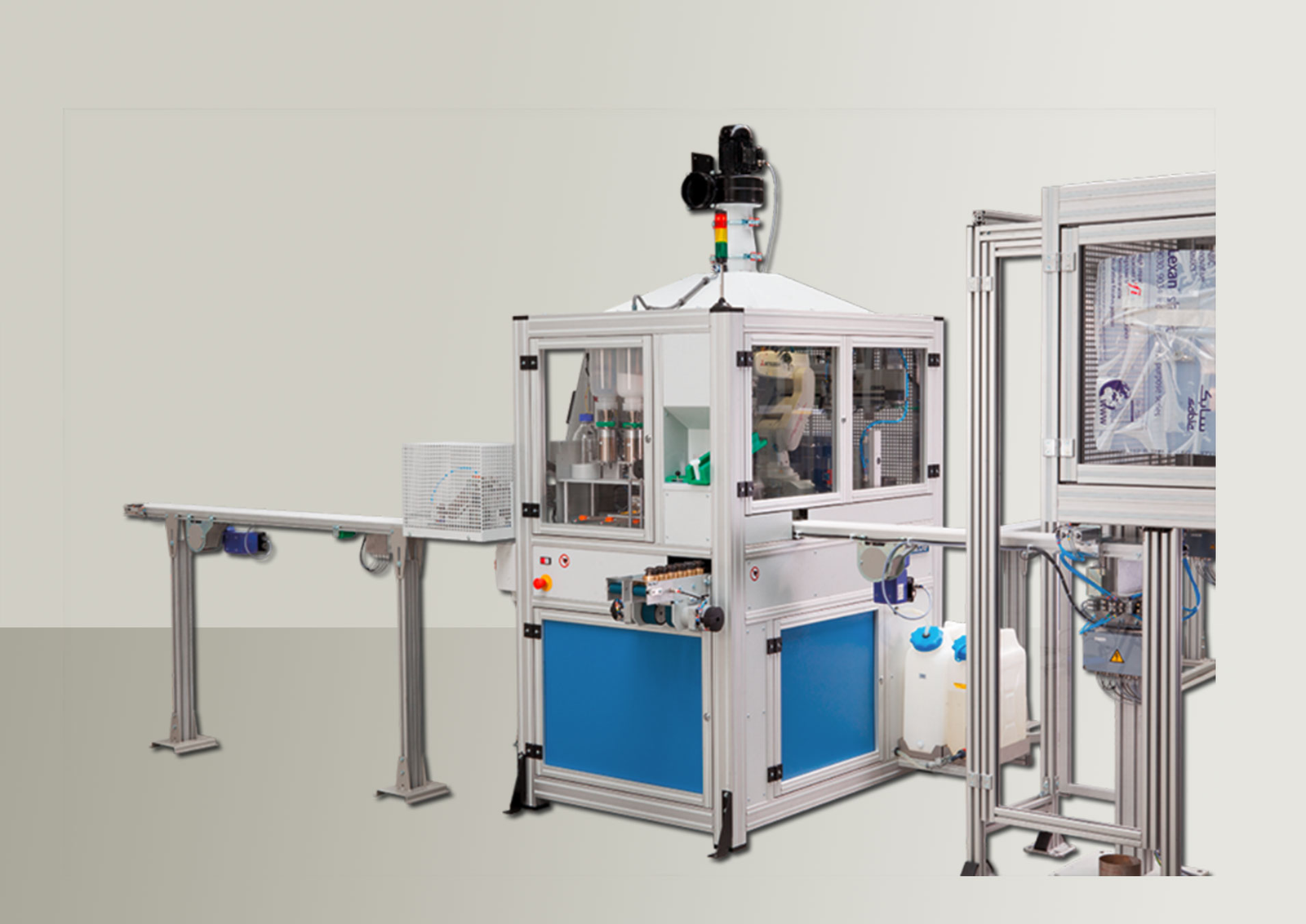
The HAG-HF fully automatically prepares samples for spectroscopic analysis. The HAG-HF covers the following preparation steps: Dosing, fusion, quality control, and cleaning (option). The inductive fusion system is suitable for cement, iron ore, geological samples, slag, fly-ash, bauxite and other oxidic material.
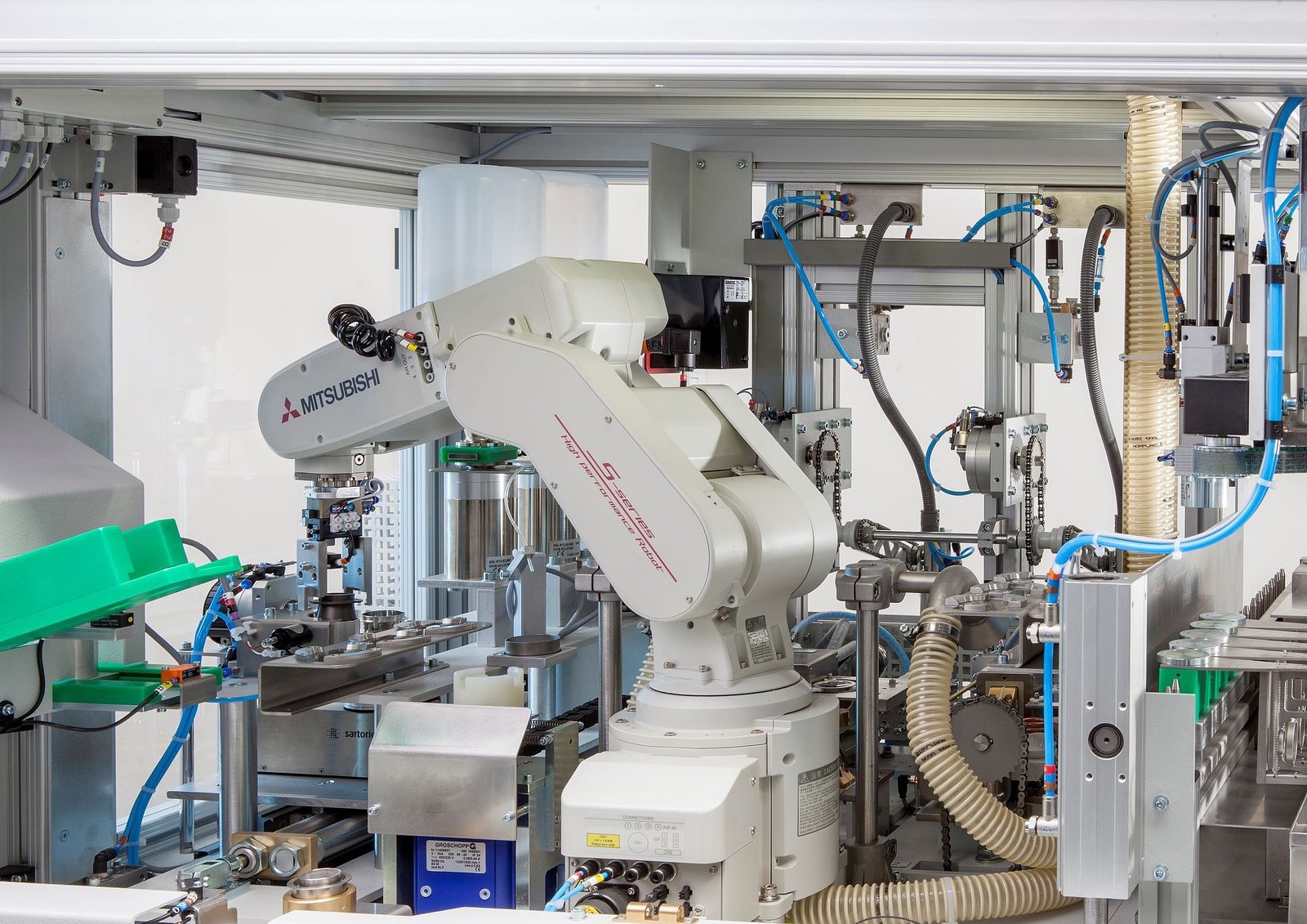
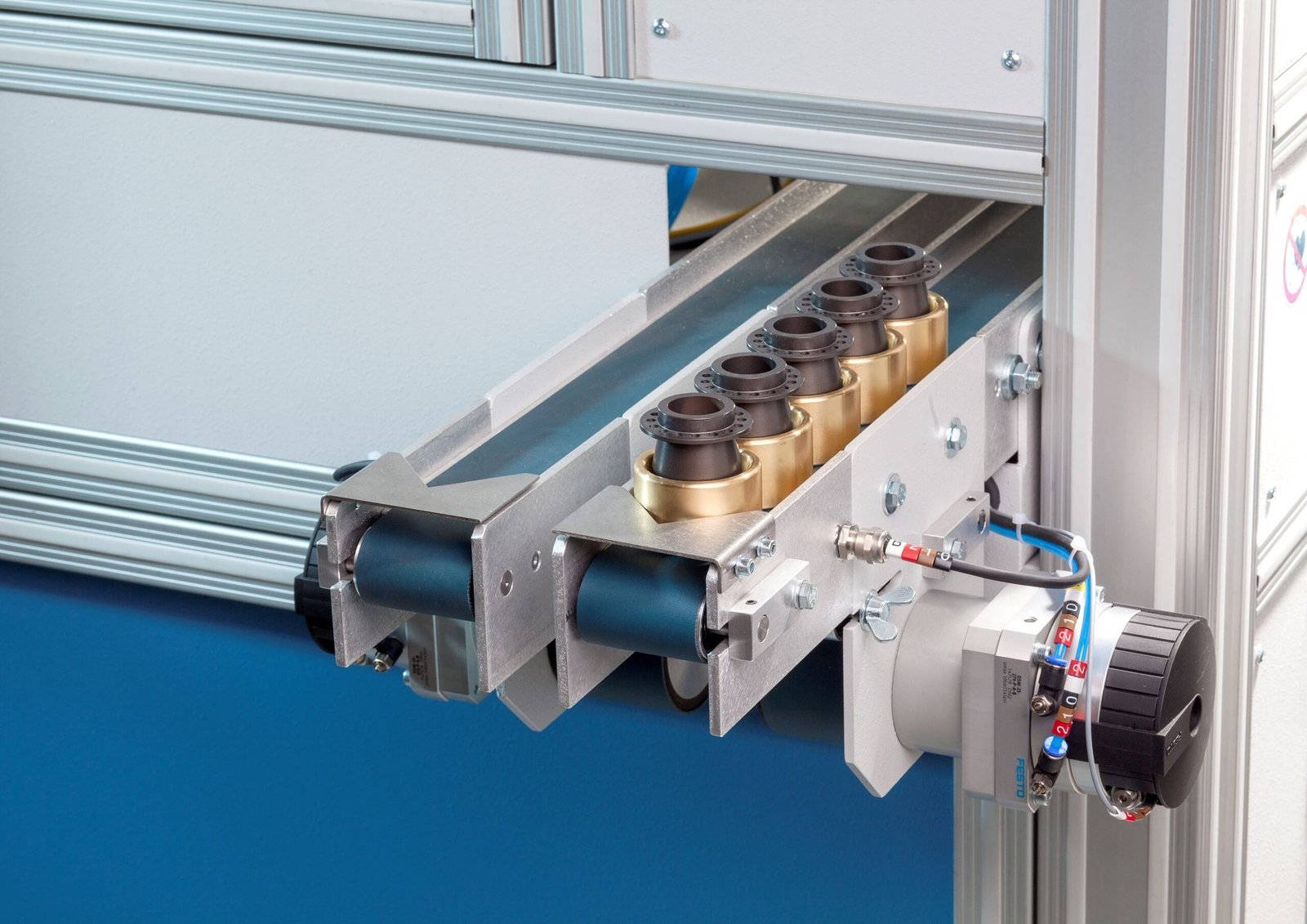
All modules are integrated within one compact machine base. The robot and linear conveyor systems handle and transport the samples within the HAG-HF. The system is fully automatic and monitors itself during operations for reduced sample processing time and trouble-free operation around the clock.
The HAG-HF improves reproducibility and increases precision. Sample preparation times are significantly reduced.
Flexible configuration
The HAG-HF can be used as a stand-alone machine or flexibly integrated into various laboratory automations. As an example, the sample material is sent into the laboratory by airtube. The sample material is unpacked from the airtube capsule, pulverized, dosed into cups, and transported to the HAG-HF.
For different types of sample material, different preparation and cleaning programs can be defined. Furthermore, special sets of crucibles and casting dishes can be assigned to special sample groups to avoid contamination and reduce the sample processing time.
Precise and accurate dosing
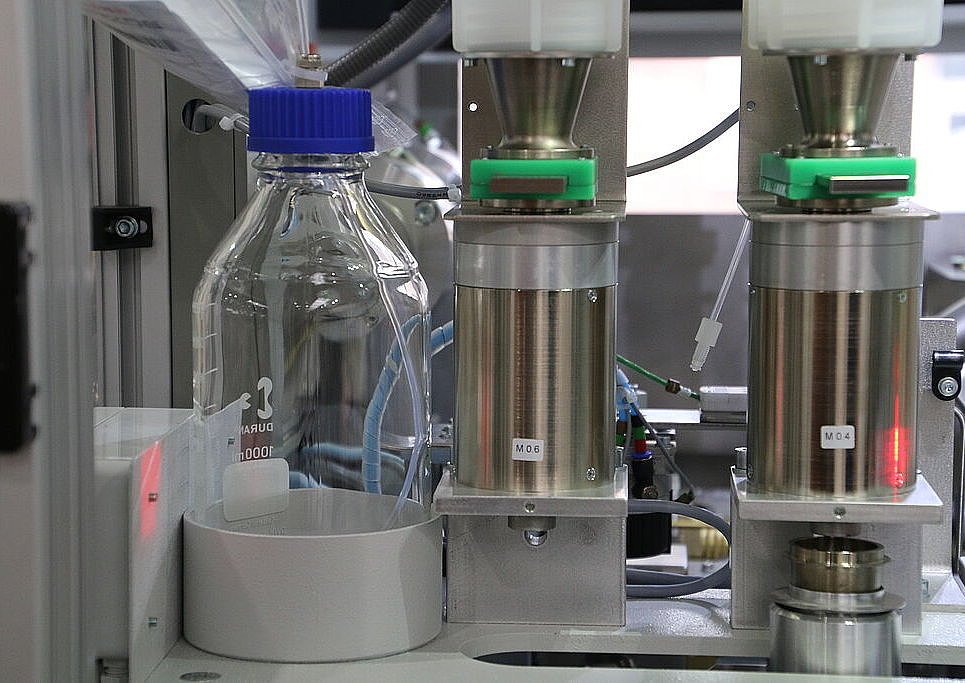
A high-precision balance is used for dosing of sample material, flux, and oxidizing agent into the crucible. Different dosing modes can be defined to control the weighing procedure for different sample types. As an option, hygroscopic material can be protected from moisture absorption.<o:p></o:p>
Solutions of wetting agent (like, e.g., lithium bromide) can be added using a high-precision peristaltic pump.
Previously in a muffle furnace oxidized samples can be transferred into the Pt- crucible. Typically, a larger sample amount is prepared in a ceramic crucible and then fed into the fusion machine. Afterwards, flux and, when indicated, wetting agent can be added. This method helps saving preparation time and protects the Pt crucibles
Optimized fusion processes
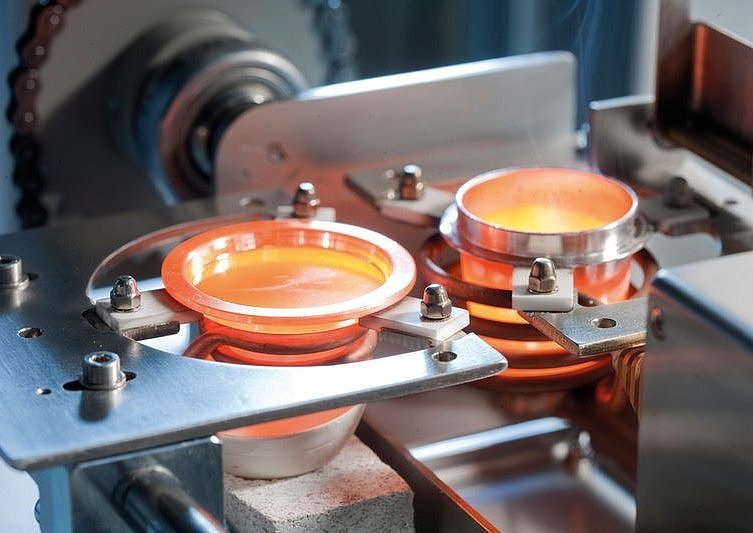
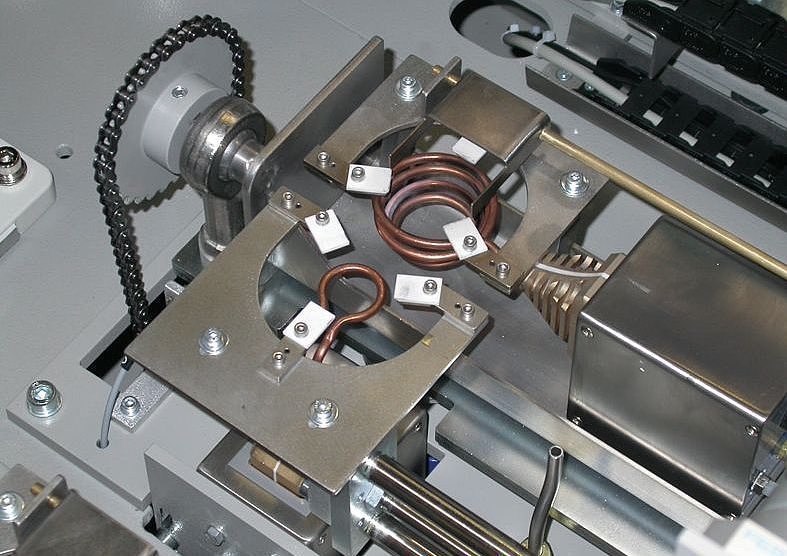
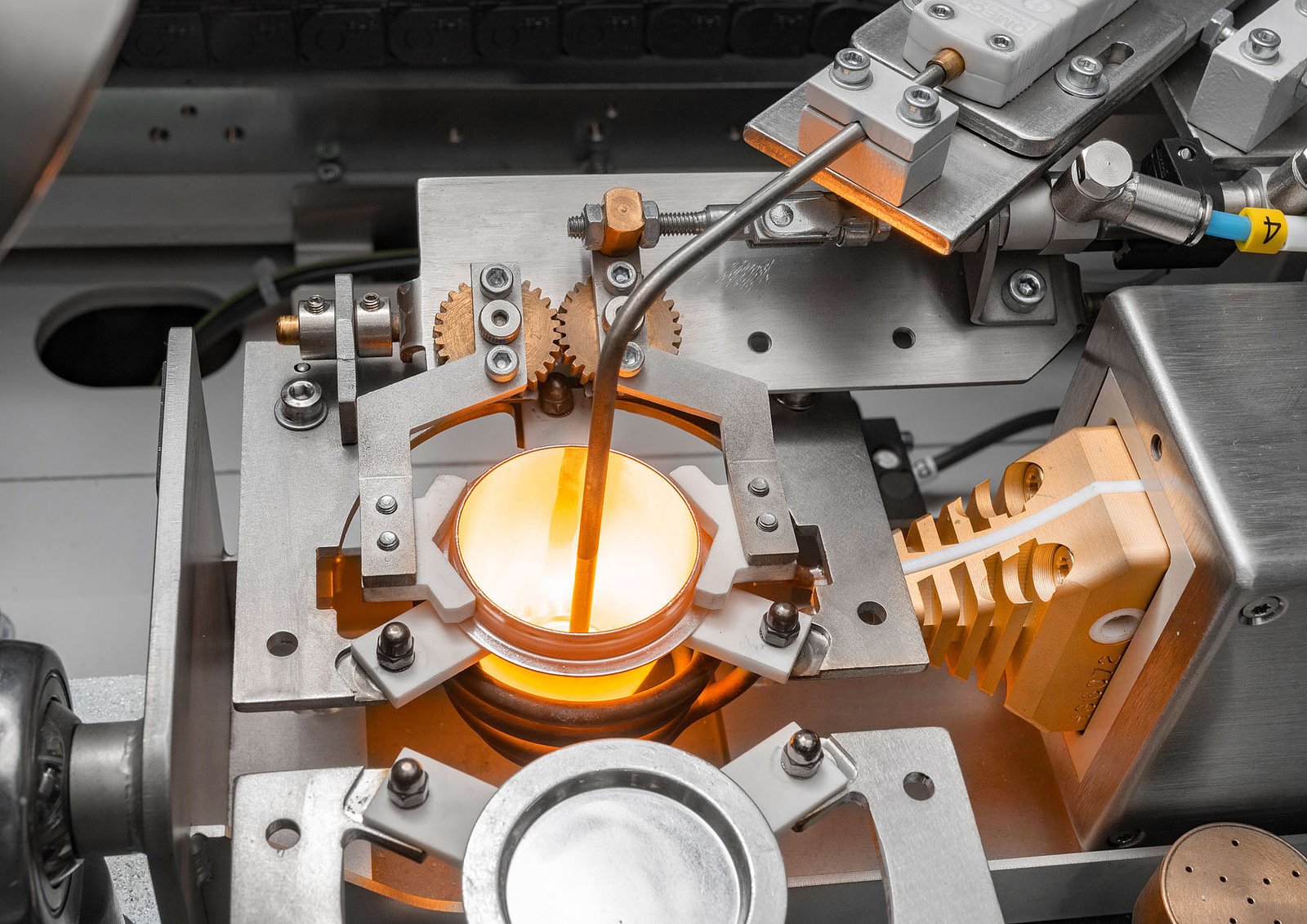
The HAG-HF uses modern high-frequency generators. The infinitely adjustable temperature (ranging from 385°C to 1300°C) is continuously controlled using infrared pyrometers. This allows a reliable temperature control during all fusion steps. Moreover, permanent temperature monitoring permits direct oxidizing of certain materials within the Pt-crucible.
The crucibles are oscillated in a circular movement to improve homogenization of the melt. Additionally, the crucible can be tilt by 45°. The molten material is poured into a preheated casting dish. Afterwards it cools down to the ambient temperature. After solidifying, the casting dish is further cooled down by blowing with compressed air.
Following fused beads standard diameter can be produced: 29 mm, 32 mm and 34 mm.
High-precision temperature control
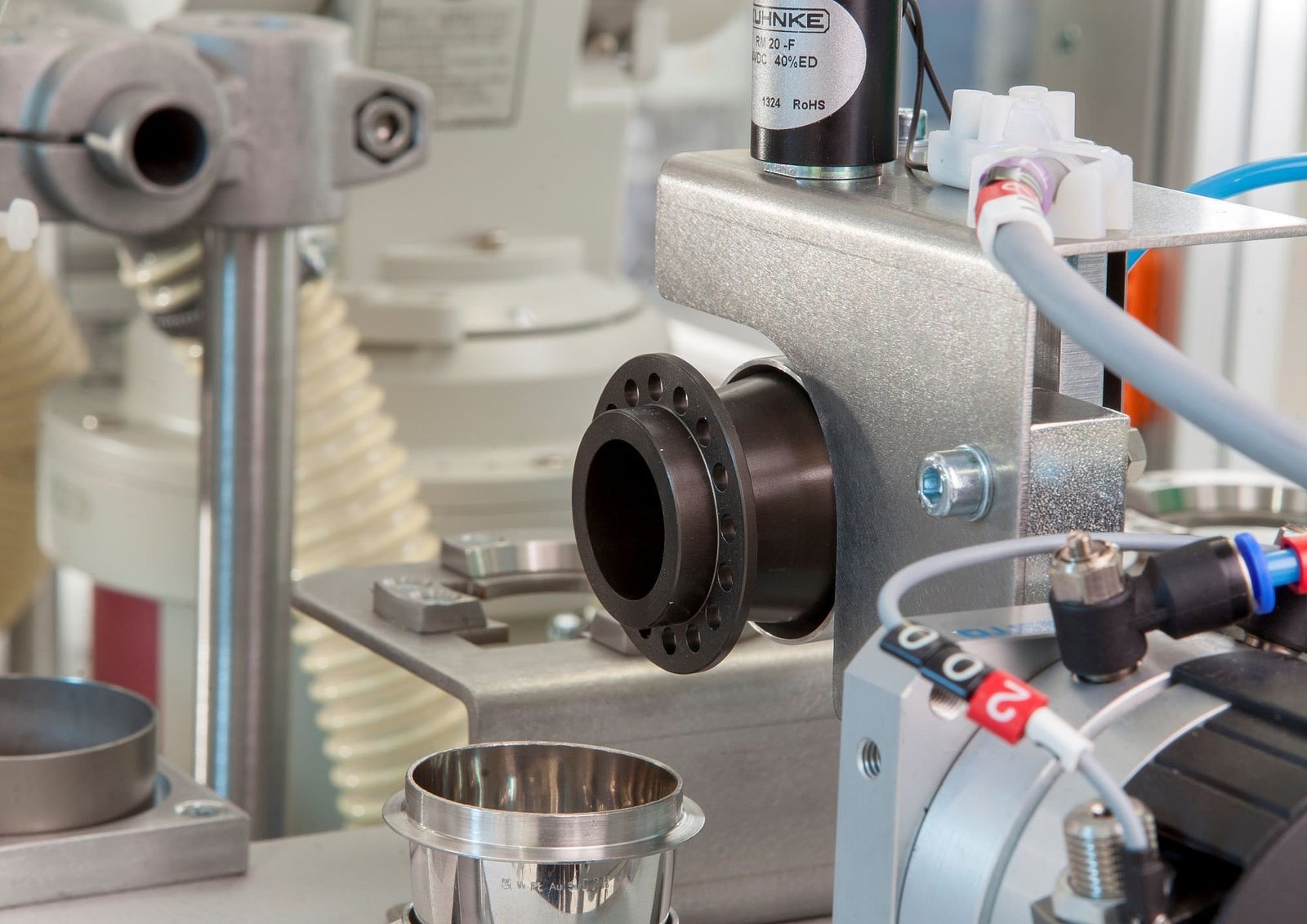
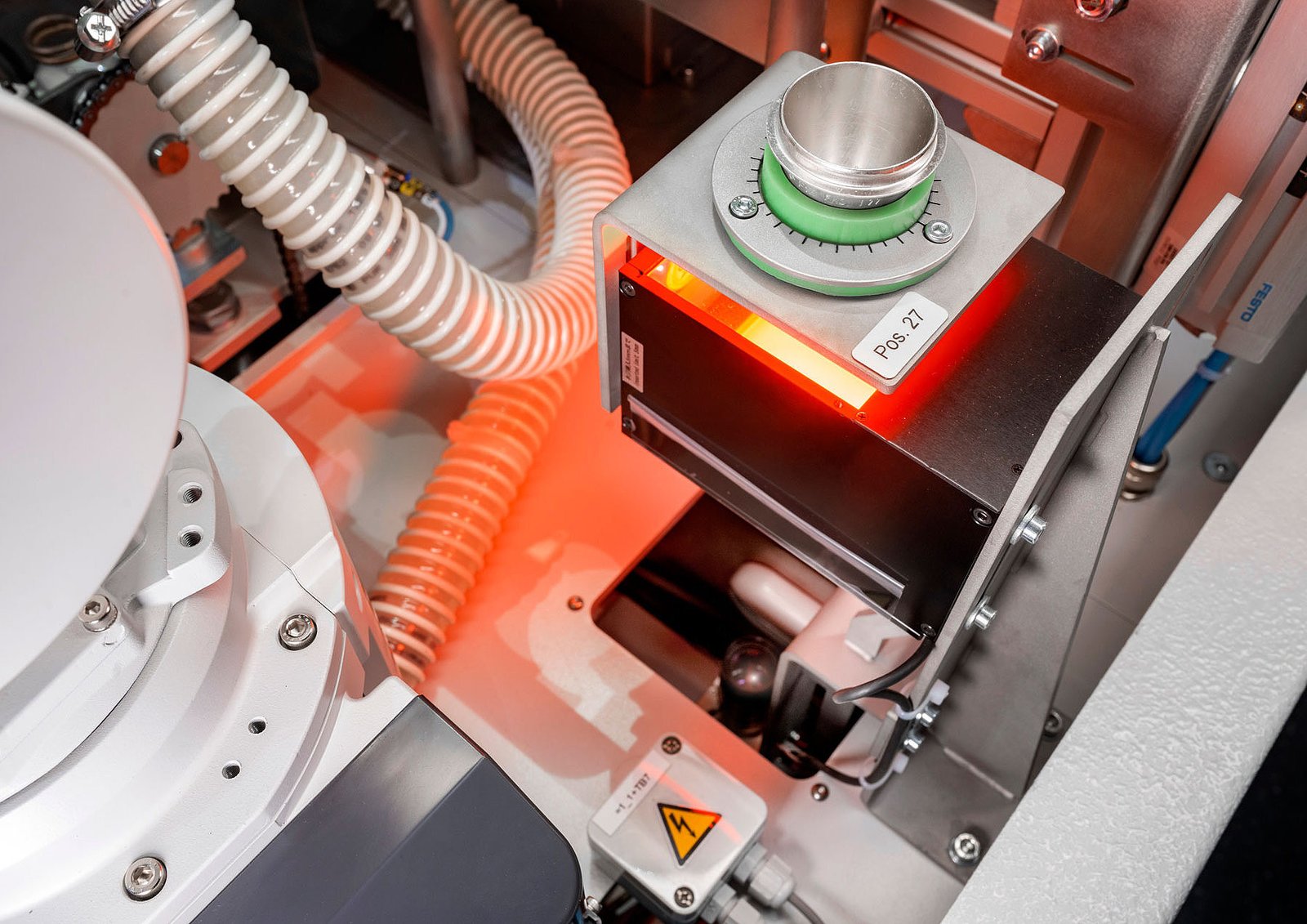
The inductive fusion process not only allows the temperature of the melt to be set quickly and exactly to the desired target value. The technology also ensures precise temperature control. With the temperature calibration unit (optional), the individual emissivity of each crucible can be determined and monitored over the lifetime of the crucible. This enables even more precise temperature determination during the fusion process. The automatic vision system can also be used for automatic crucible identification. In addition, the crucible can be oriented before each digestion process so that the pyrometric temperature measurement always takes place at the same crucible position.
Transport to the XRF spectrometer
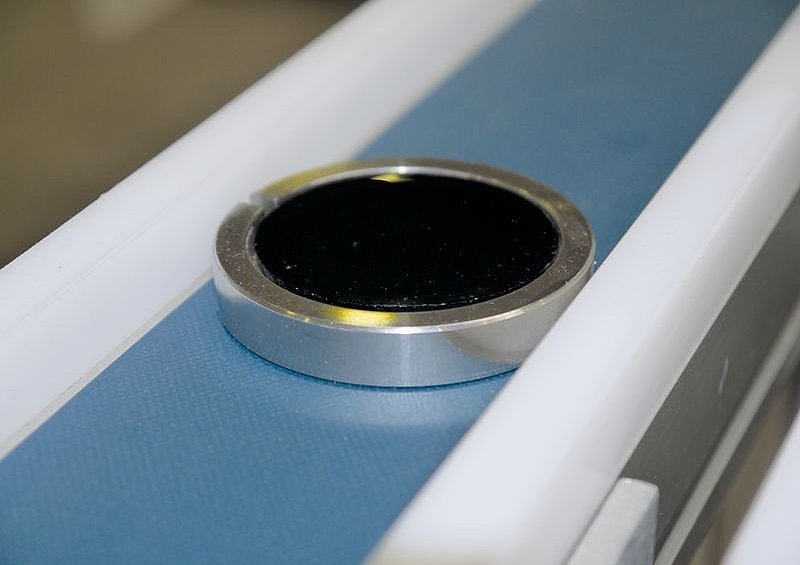
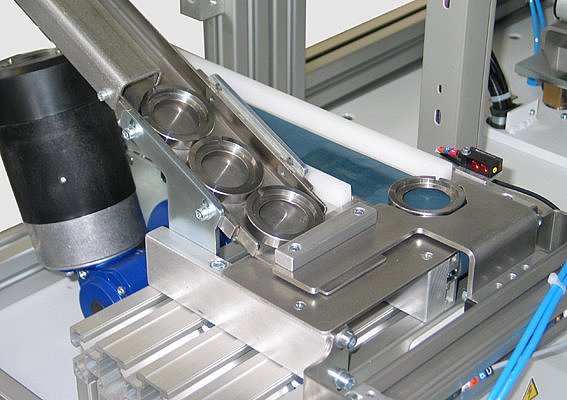
The HAG-HF transfers only intact castings to the transport system. A sensor detects crystallized or broken beads and ensures that they are discarded. To prevent contamination of the analysis surface during transport, the beads are not transferred directly to the transport system. With the side to be analyzed facing downward, they are placed on the edges of a holding ring. This ensures that only perfect glass beads are transported to the analysis equipment.
Cleaning
After the fusion process, crucibles and casting dishes are automatically cleaned using a heated ultrasonic bath system (option). The cleaning fluid in the bath is automatically renewed at freely selectable intervals. The cleaned crucibles and casting dishes are rinsed by distilled water and blown dry with hot air. After the cleaning process, the weight is measured to guarantee perfect cleanness
Design options:
- 2nd fusion unit
- 2nd dosing device
- Ultrasound cleaning device
- Crucible and casting dish magazine
- Separate chiller for water
- Scale for prepared fused beads
- Temperature monitoring for casting dishes
- Temperature calibration unit for crucibles
- SparkPoint Vision system for crucible identification and orientation
- Linear magazine for 36 fused head