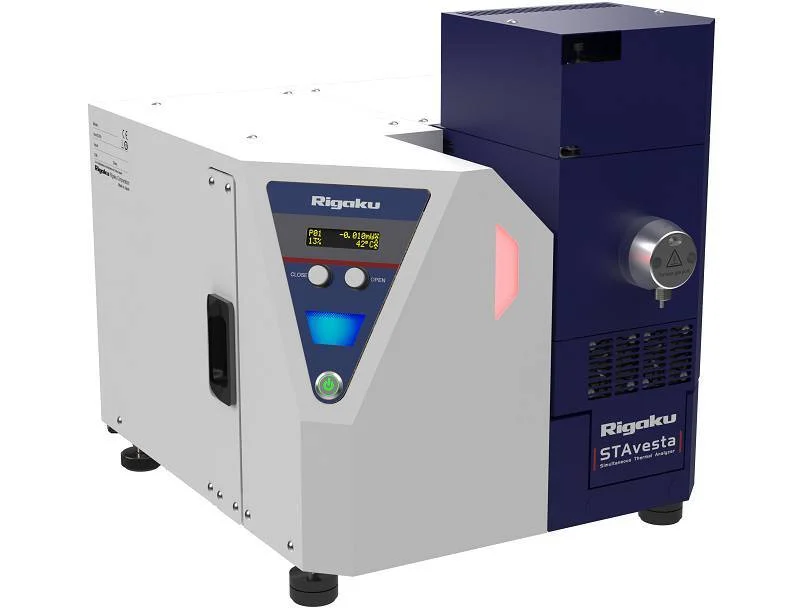
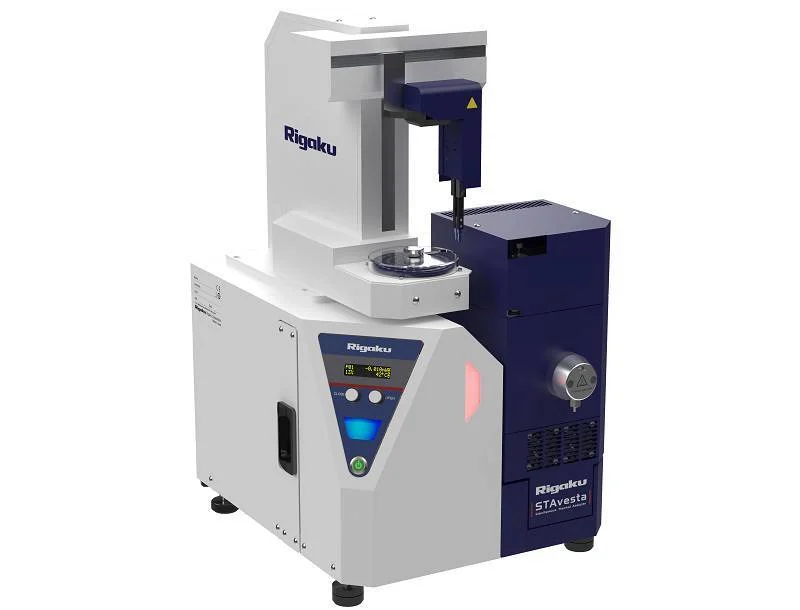
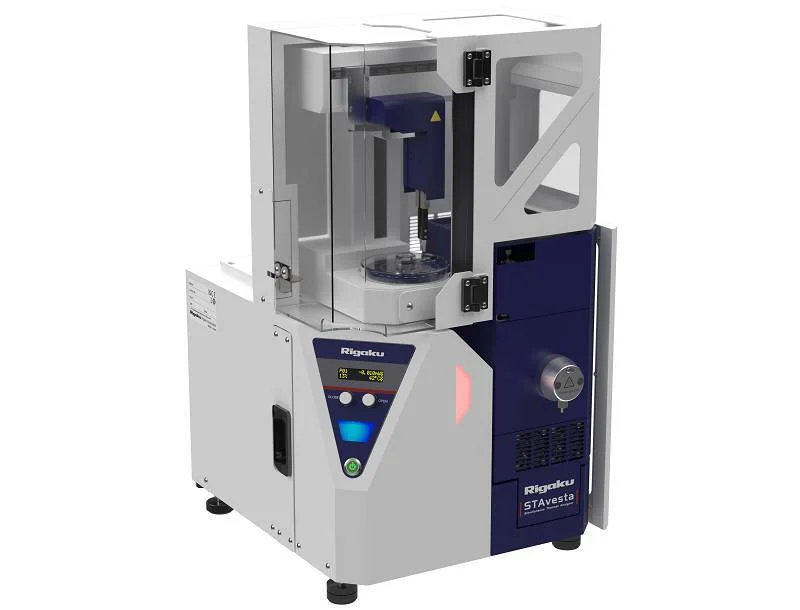
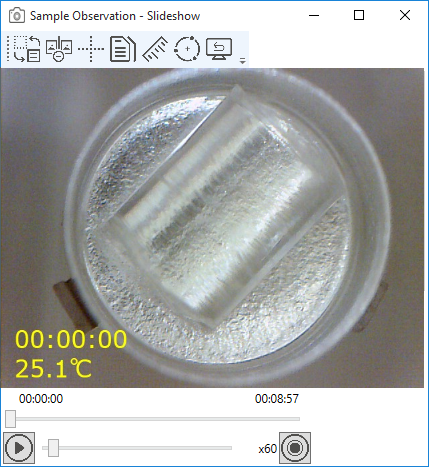
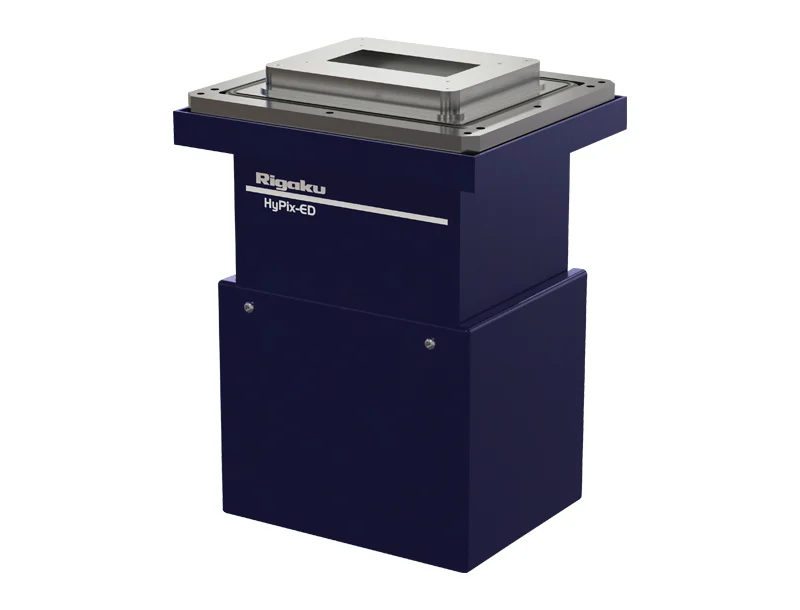
This is a thermogravimetry–differential scanning calorimetry (TG-DSC) system that enables visual observation of sample changes during thermal analysis.
It consists of the main STA unit and a microscope-integrated sample observation furnace equipped with an observation mechanism. This configuration allows for real-time monitoring and recording of sample changes over a temperature range from room temperature up to 1,000 °C.
The system enables monitoring of phenomena such as shrinkage behavior during sintering of ceramics, shape changes associated with the glass transition, softening, and flow of glass, as well as melting and foaming during the decomposition of polymers.
By analyzing the thermal data together with the captured images, users can gain deeper insight into material behavior and discover new findings.
Sample Observation STAvesta Overview
For details on the basic performance of STAvesta, please refer to the main STAvesta page.
Information on the Sample Observation Software is available on the Sample Observation Software page.
Microscope-integrated furnace
The microscope-integrated furnace can be replaced just as easily as any of the other furnaces, ensuring simple and smooth switching.
Compatible with Automatic Sample Changer (ASC)
This furnace is compatible with the optional automatic sample changer, enabling fully automated, unattended measurement and imaging.
Supports high-temperature range up to 1,000°C
Sample changes can be visually observed in real time during both heating from room temperature up to 1,000°C and cooling back down, offering valuable insight into thermal behavior at elevated temperatures.
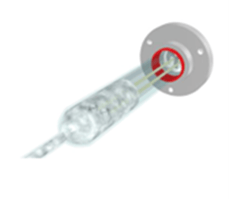
Devitrification prevention unit for clear observation
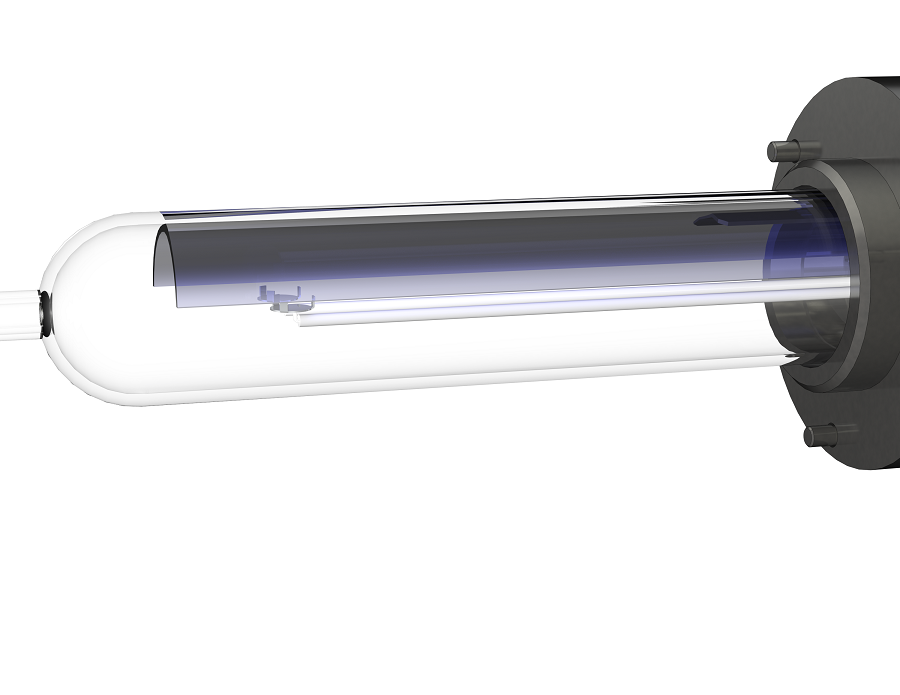
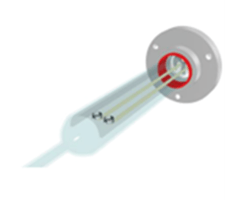
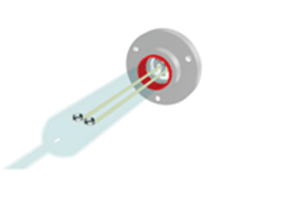
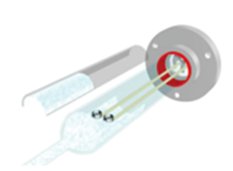
Gases released from sample decomposition may cause devitrification or staining of the quartz protection tube, making optical observation difficult. With the devitrification prevention unit installed, only a replaceable protection plate inside the protection tube is exposed to the gas. This prevents damage to the quartz tube itself, improving maintainability and helping to reduce running costs.
What is devitrification?
Devitrification is a phenomenon where transparent quartz loses its clarity due to a transition from an amorphous to a crystalline structure, typically caused by contact with alkali metal vapors or salts.
(Illustration)
| With devitrification prevention unit |
Without devitrification prevention unit |
|
| Before measurement | ||
 |
 |
|
| Heating (decomposition gas releasing) | ||
 |
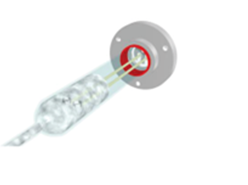 |
When gases that react with amorphous quartz are present, the interior of the protection tube can fill with gas. |
| After measurement | ||
 |
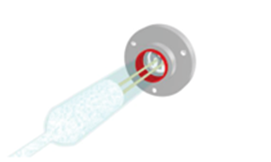 |
Right (without unit): The quartz tube becomes devitrified, making observation via microscope difficult. Left (with unit): |
Sample Observation STAvesta Features
- Microscope-integrated furnace
- Compatible with automatic sample changer
- High temperature support up to 1,000°C
- Interchangeable with a variety of furnaces (Standard, high temperature, Indirect heated, and HUM furnaces)
Sample Observation STAvesta Specifications
| Model name | Thermo plus EVO3 STAvesta/C Sample observation Simultaneous Thermal Analyzer |
|
|---|---|---|
| Technology | Thermogravimetry-Differential Scanning Calorimeter (TG-DSC) | |
| Measurement temperature range | Room temperature to 1,100°C*¹ | |
| Heating rage(max) | 100°C/min | |
| Sample amount (max) | 1 g (90 μL) | |
| TG range | ± 500 mg | |
| DSC range | ± 600 mW (100°C) ± 1,400 mW (1,000°C) |
|
| DTA range | ± 1,000 μV | |
| TG baseline drift volume *² | <10 μg (up to1,000°C) | |
| Measurement atmosphere | Air, inert gas, under reduced pressure*³ | |
| Options | Automatic sample changer (Sample: 52, reference: 3, calibration sample: 5) Furnace unit (Standard, high temperature, indirect heated, HUM, refrigerated cooling) ASC safety cover Devitrification prevention unit Reflection prevention filter |
|
| Dimensions | 412(W) x 456(H) x 561(D)(mm) 412(W) x 705(H) x 561(D)(mm) (with ASC) |
|
| Mass | 47 kg 57 kg (with ASC)、63 kg (with ASC and safety cover) |
|
| Power requirements | 1Ø, AC100-120 V/200-240 V, 50/60 Hz, 15 A | |
| *1 For sample observation measurement: up to1,000°C *2 Under Rigaku measurement condition *3 Not compatible with ASC measurement |
||