Automatic and flexible Sample Preparation of cylindrical samples for combustion analysis
Application
- Cutting cylindrical samples and punching of die-cuts from disc for combustion analysis
Materials
- Cylindrical and conical specimens with diameters from 30 to 38 mm
Operating mode
- Automatic
- linear automation
- Robot automation
All advantages at a glance:
Automatic sample preparation for combustion analysis
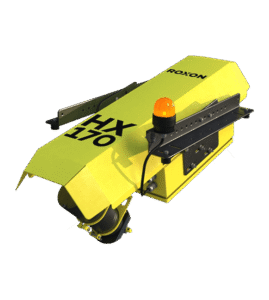
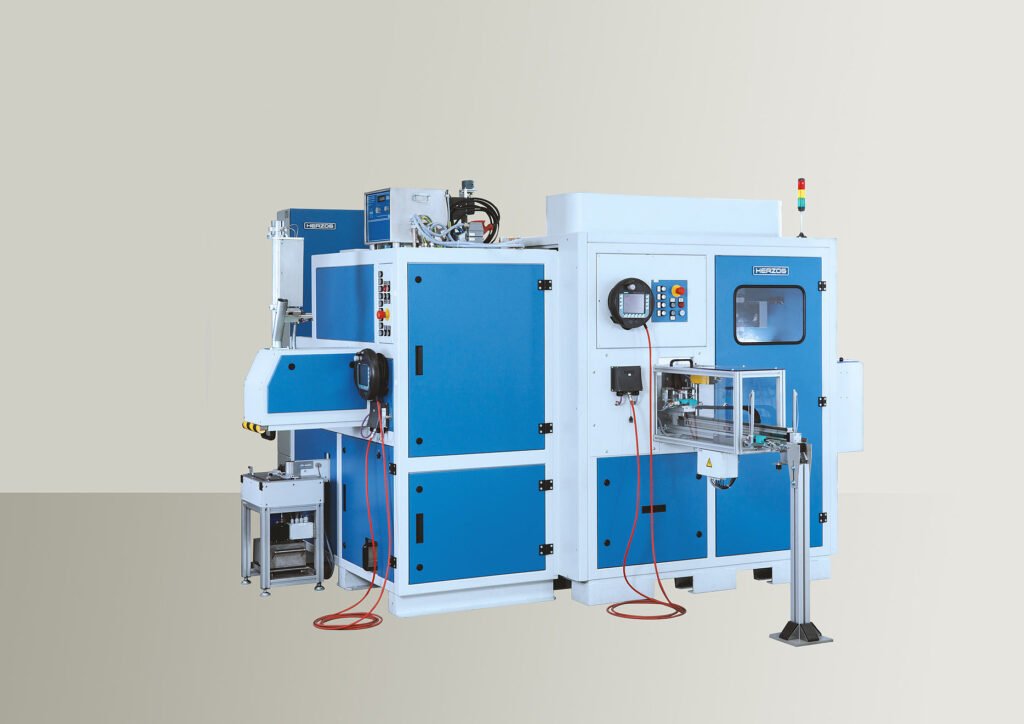
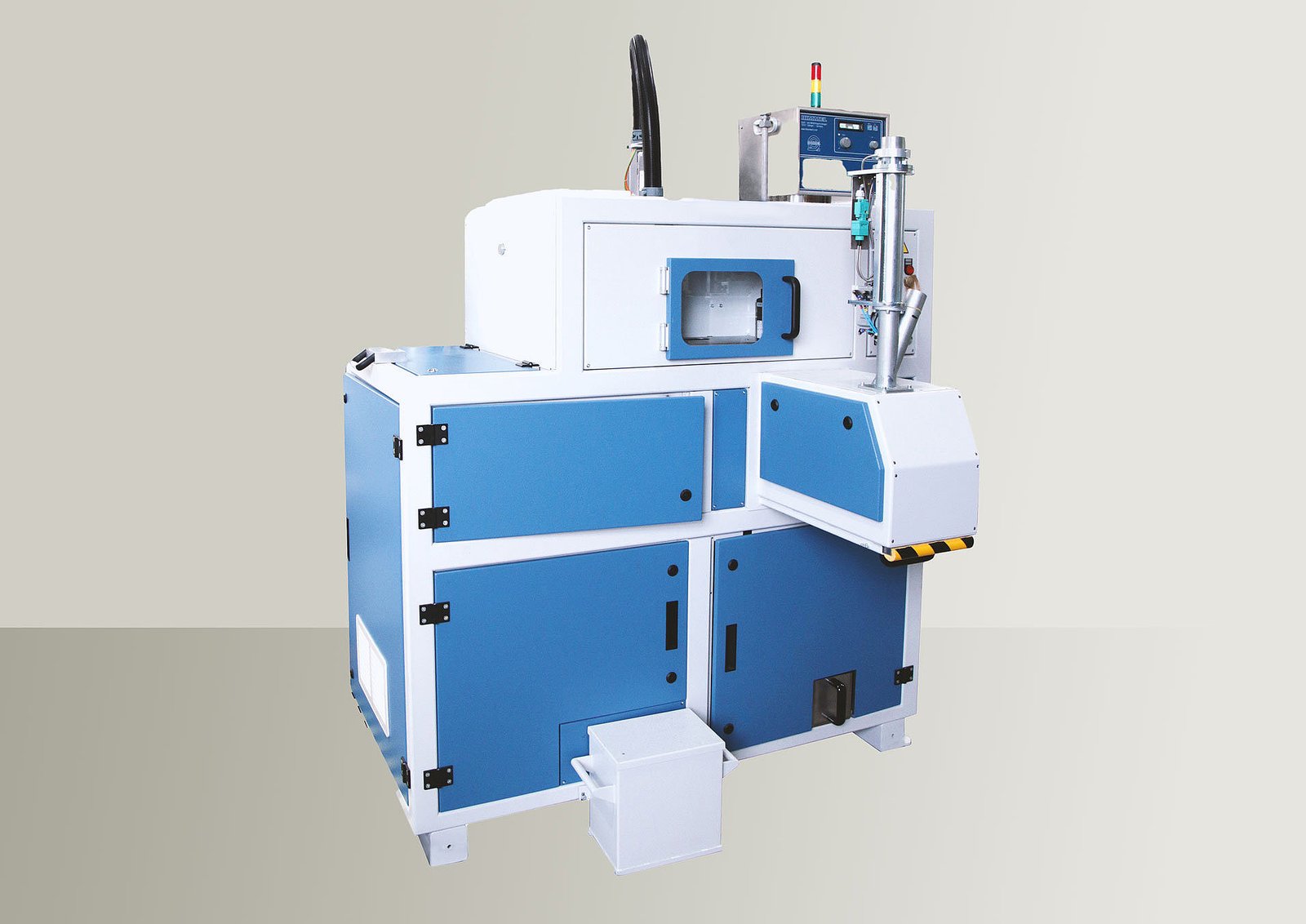
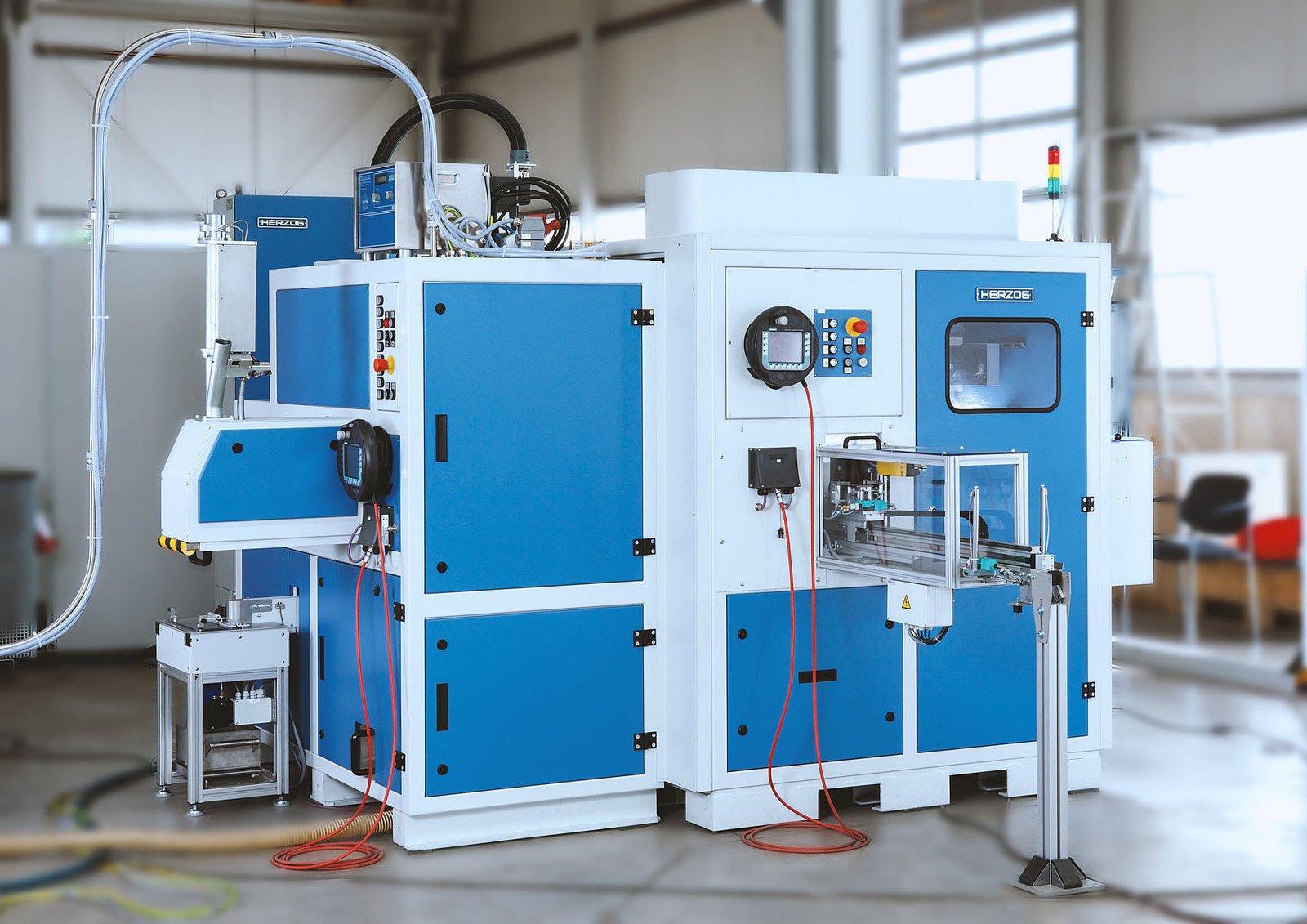
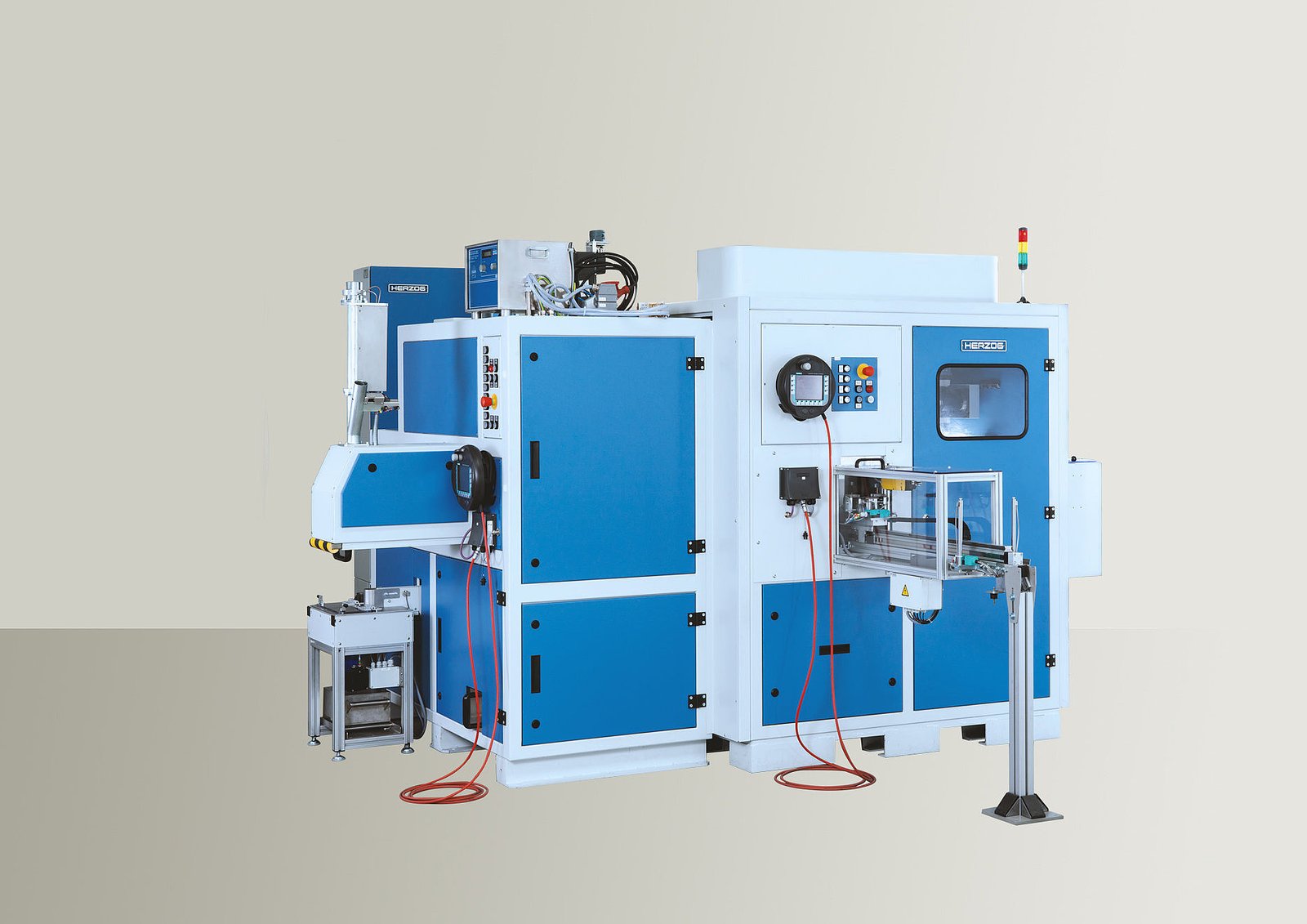
The HCP processes cylindrical steel samples and enables the fully automated generation of stampings for combustion analysis. In this process, a disc is cut out of a cylindrical sample, from which the specific samples for combustion analysis are then punched out. Sample handling within the plant is fully automated using a multi-axis handling system, without the need for manual intervention by operators.
Maximum flexibility in sample shape and sample input
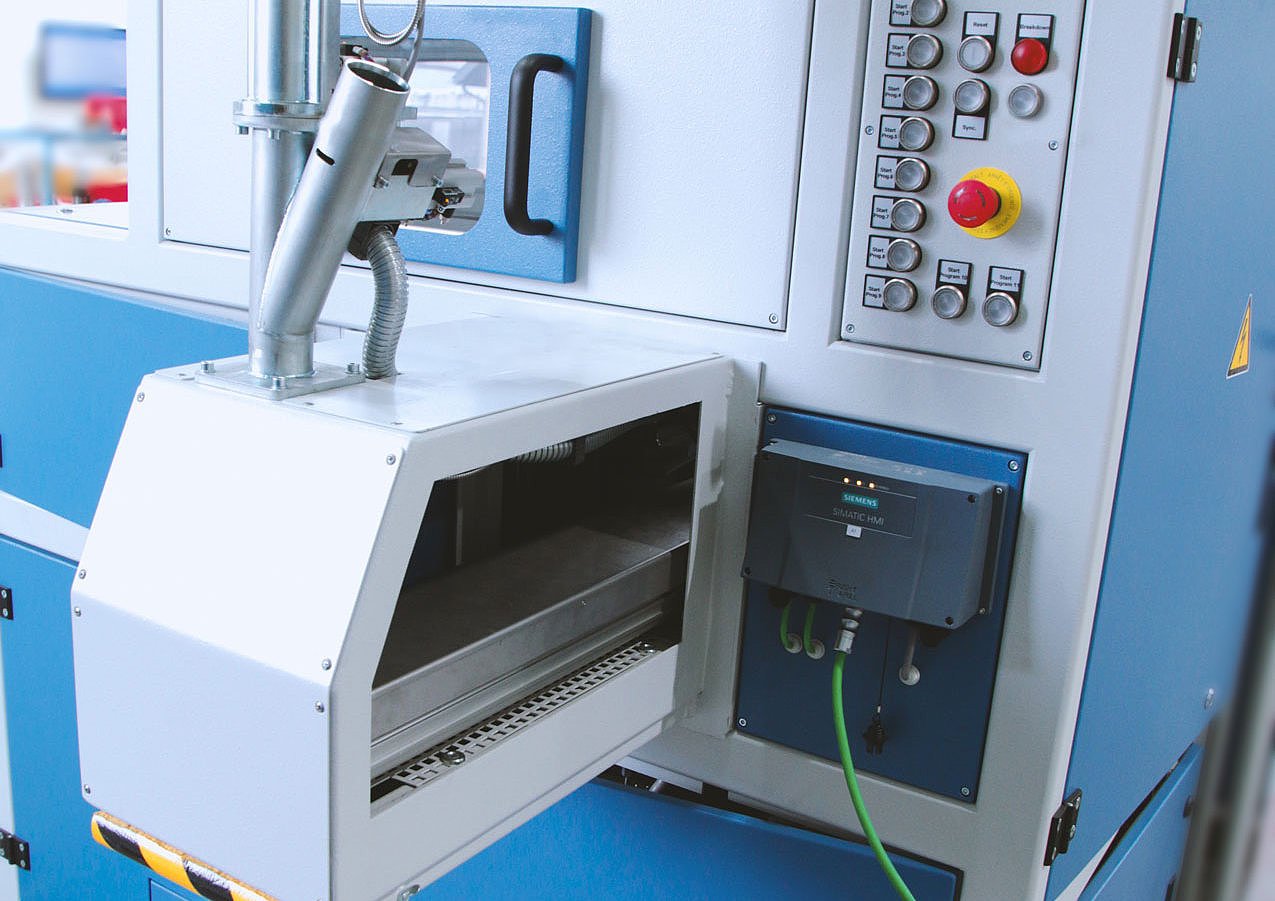
The HCP is characterized by its high flexibility in terms of sample shape and sample input. It can process cylindrical samples with diameters in the range of 30 to 38 mm. Under certain conditions, it is also possible to process conical samples. The samples can be entered in various ways: manually by the operator via an input flap, by a multi-axis robot or pneumatically by a pneumatic tube connection directly from the factory to the laboratory. In the latter case, the system can directly receive and process the samples, which are delivered without a pneumatic tube carrier.
Highest efficiency when separating samples
The separation efficiency of the plant is outstanding. The cylindrical sample is clamped in a lathe chuck and rotated at a speed of about 3300 revolutions per minute during the separation process. The cut is made by means of a high-speed cutting disc, which ensures a precise and fast cut. Due to the rotation of the sample during the separation process, even hard and tough materials can be processed without any problems. This unique cutting technology also prevents excessive heat build-up at the interface and contributes to the longevity of the cutting wheels.
Reliable punching technology
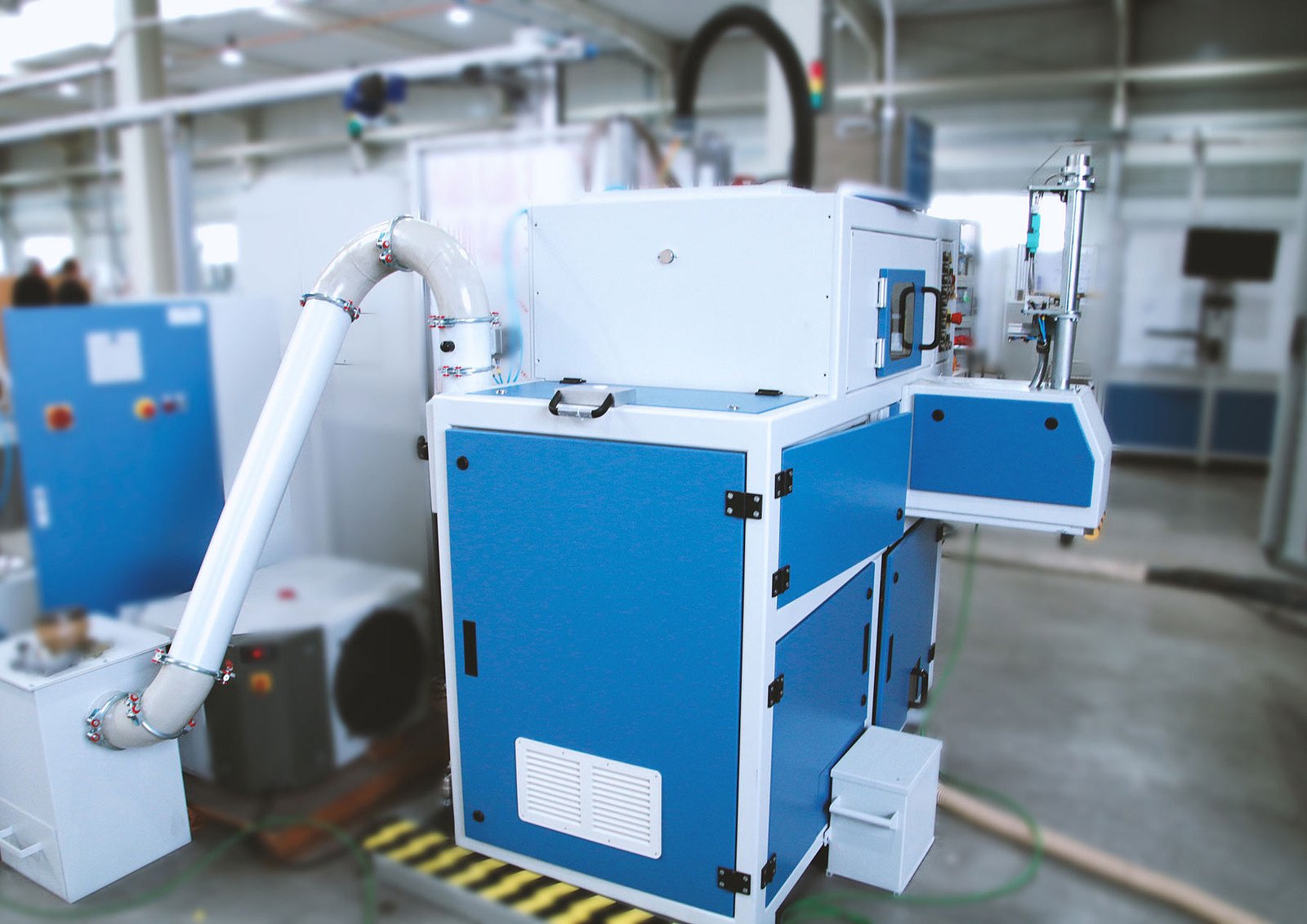
The machine’s punching unit reliably produces stampings that are used for the determination of carbon, sulfur and nitrogen contents by means of combustion analysis. For high-strength steel stamping, the sample can be heated by optional high-frequency induction, with a water module available for cooling. It is possible to produce up to four die-cuts weighing about 1 gram (depending on the thickness of the sample) simultaneously.
On the one hand, the die-cuts can be removed directly from the HCP via a cup. On the other hand, the samples can be transported pneumatically to a turntable magazine. Here, the operator takes the samples, manually processes them for analysis, and enters them into the meter. Alternatively, the stamped parts can also be transported to the CNS Lab. The CNS Lab covers the entire process of Sample Preparation which ranges from the acceptance of the punched pieces, sample weighing, dosing of the additives to the transfer of the prepared crucible to the analyzer.
Through a diverter system in pneumatic transport, the stamped parts can be directed to different destinations (magazine or CNS Lab), which enables fully automatic separation of the samples for different analysis methods. This also creates redundancy in the event that an analysis unit fails.
Sample Analysis Using Optical Emission Spectroscopy
If necessary, the remaining piece of the sample after the separation process can be used for analysis by optical emission spectroscopy. The handling system places the offcut piece on the output position of the system, from where it can either be picked up by a robot or forwarded to the next preparation unit via a linear transport system. The milling of the specimen surface of the remnant can be carried out with the HS-F 1000, for example.