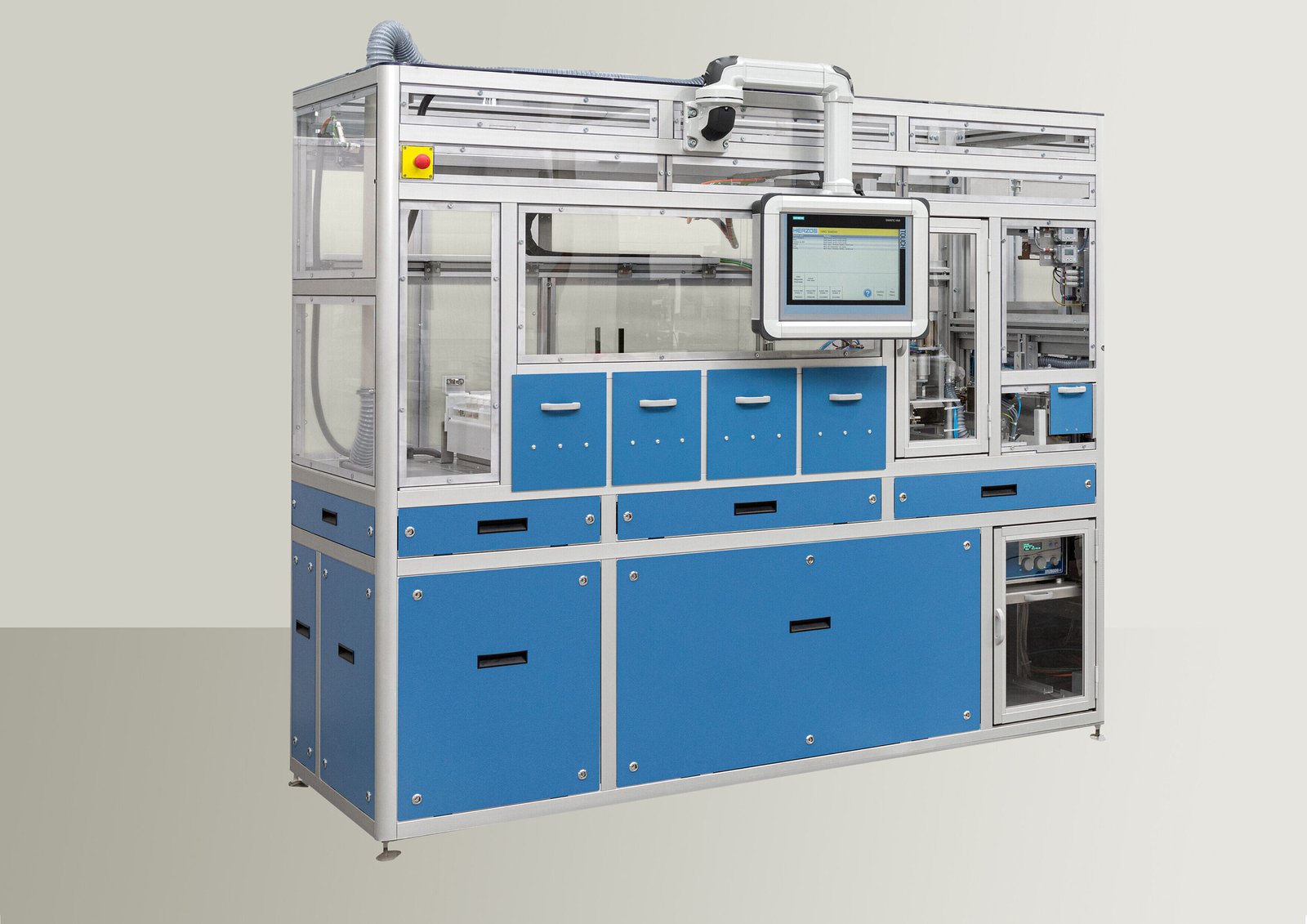
The fully automatic solution for different fusion methods – highly efficient and reliable for high demands on analytical precision and accuracy
- Production of glass beads (29/32/34 mm diameter) using borate fusion for X-ray fluorescence analysis
- Production of melts for further chemical acid digestion using borate or peroxide fusion
- Fusion temperature: max. 1300°C, high-frequency induction heating
Material
- Oxidic materials such as cement, slag, ores, ferroalloys, etc.
- Base metals such as chromium, manganese, iron, cobalt, nickel, copper oxides, zinc, etc.
- Clay minerals, aluminum oxides, titanium oxides, carbonates, materials containing heavy metals, refractory materials, etc.
Operating mode
- Automatic
All advantages at a glance
Highly efficient automation of various fusion methods
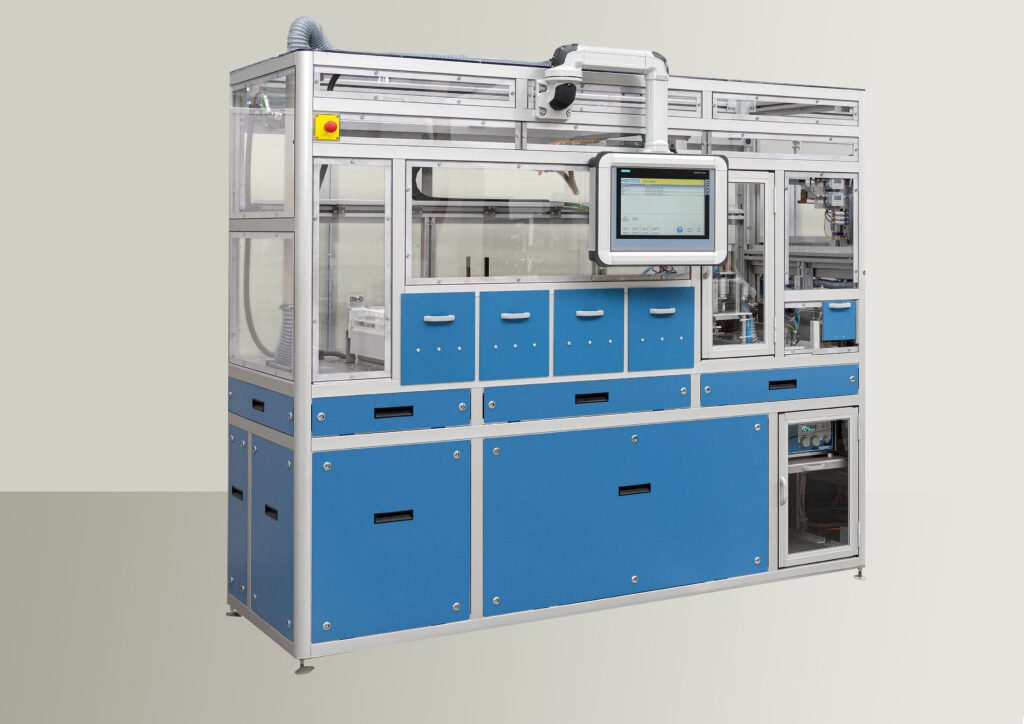
The HL-HAG is based on the proven concept of the HAG-HF and enables the fully automatic execution of different fusion procedures. By means of borate fusion, both glass beads for X-ray fluorescence spectroscopy and melts for subsequent wet chemical sample preparation can be produced. Alternatively, peroxide fusion enables the production of melts that are brought into solution in further processes.
The HL-HAG fully automatically performs all relevant sample preparation steps, including sample handling, dosing of sample and additives, fusion and sample transfer to further preparation modules and analytical instruments. The HL-HAG ensures highly efficient laboratory processes with the highest standards of precision and accuracy in sample preparation and analysis.
Perfect for borate fusion
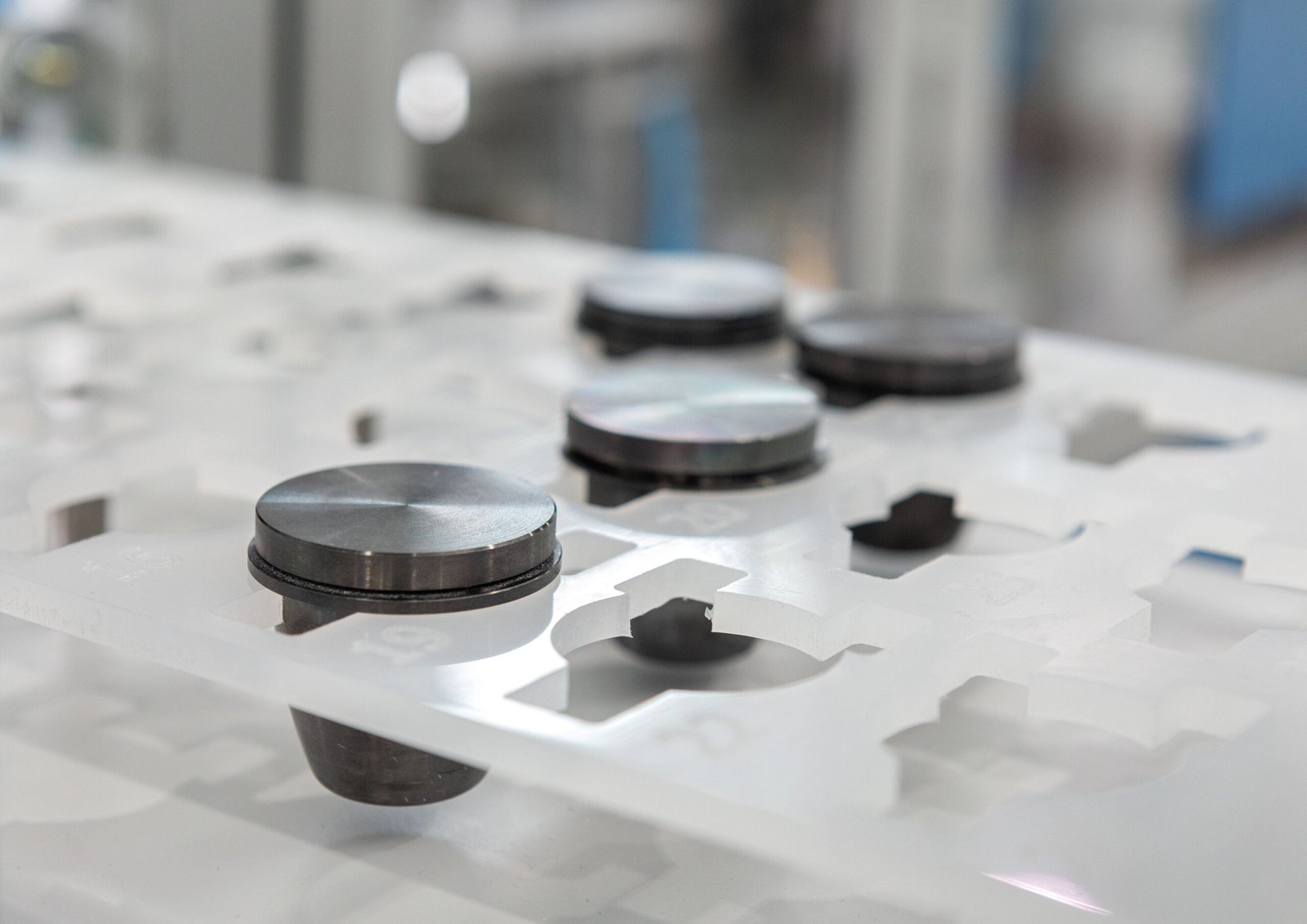
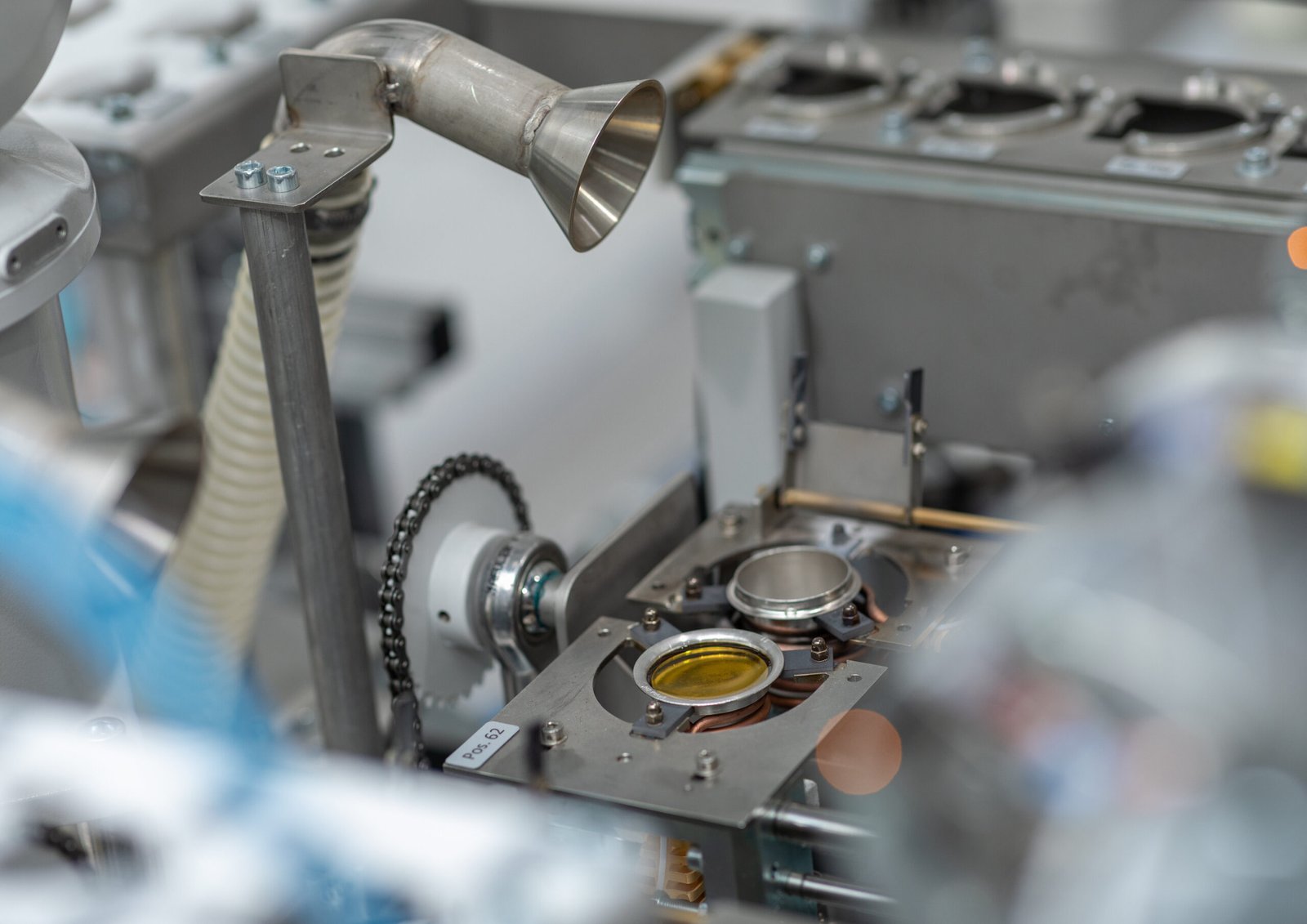
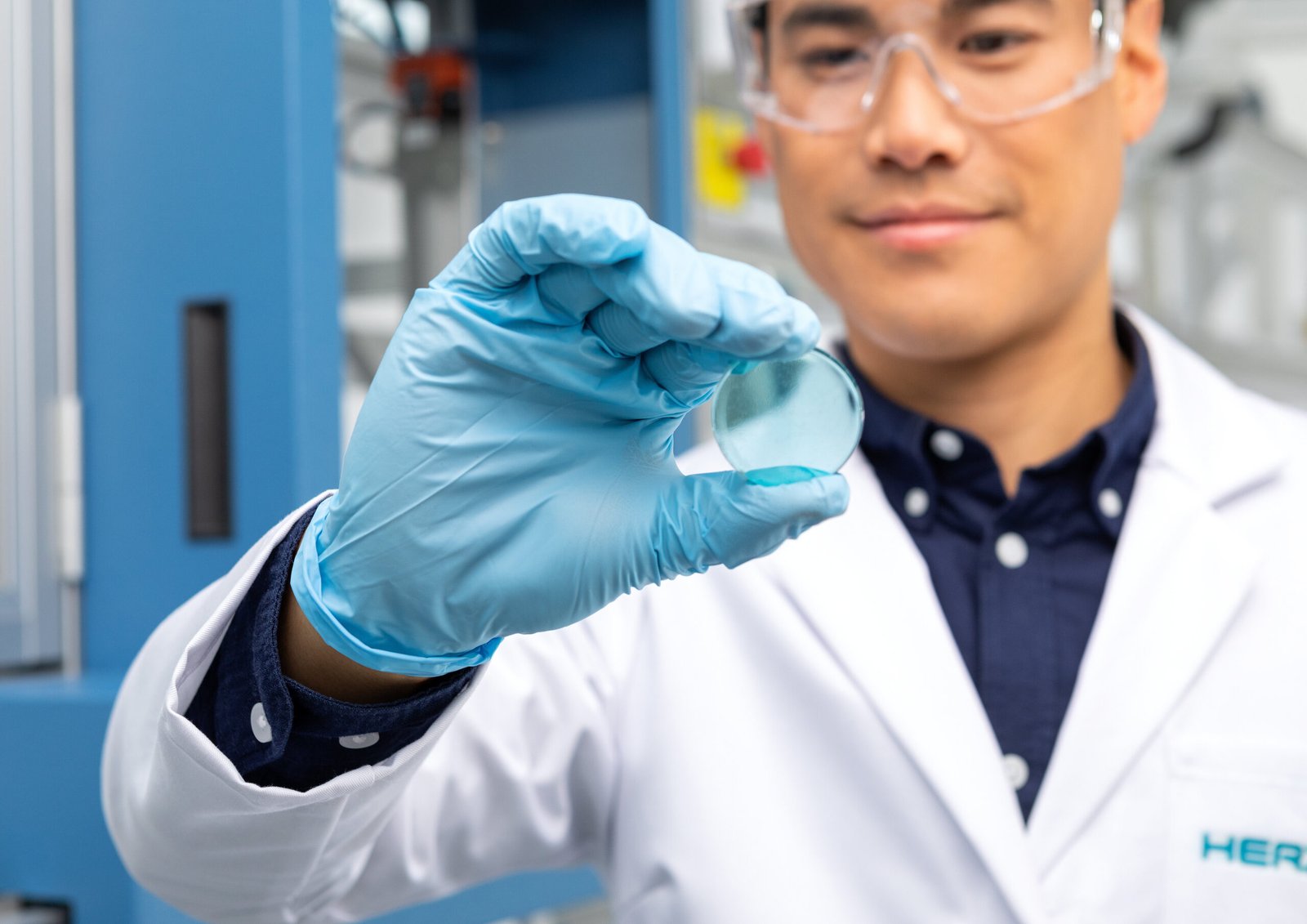
The HL-HAG enables the fully automatic preparation of oxidic samples using the borate fusion method. After fusion in a platinum/gold crucible, the melt is transferred to a casting dish to produce glass beads with diameters of 29, 32 or 34 mm. These beads can either be placed in a magazine or forwarded directly to an analyzer.
Alternatively, the crucible with the melt is automatically transferred to a vessel for subsequent acid digestion. The resulting sample liquid is ideal for high-precision methods such as ICP analysis.
Optimally tailored for peroxide fusion
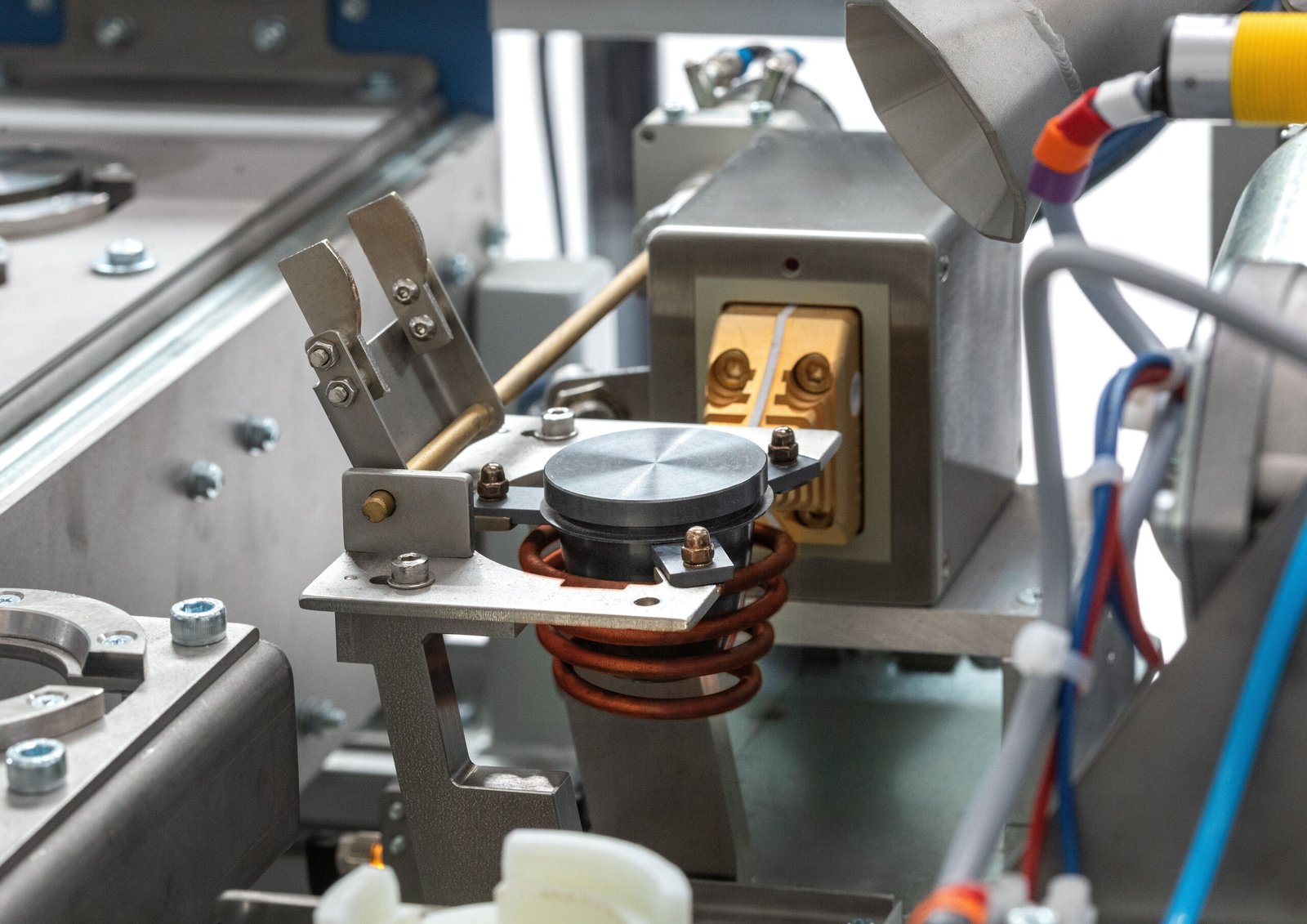
The HL-HAG can also be equipped for peroxide fusion. In this process, fusion is performed in zirconium or nickel crucibles by high-frequency induction. Since an exothermic reaction can occur during the process, causing material ejection, the crucible is closed with a lid. After fusion is complete, the melt is automatically transferred to a sample vessel for further dissolution, for example with hydrochloric acid.
Highly precise inductive fusion technology
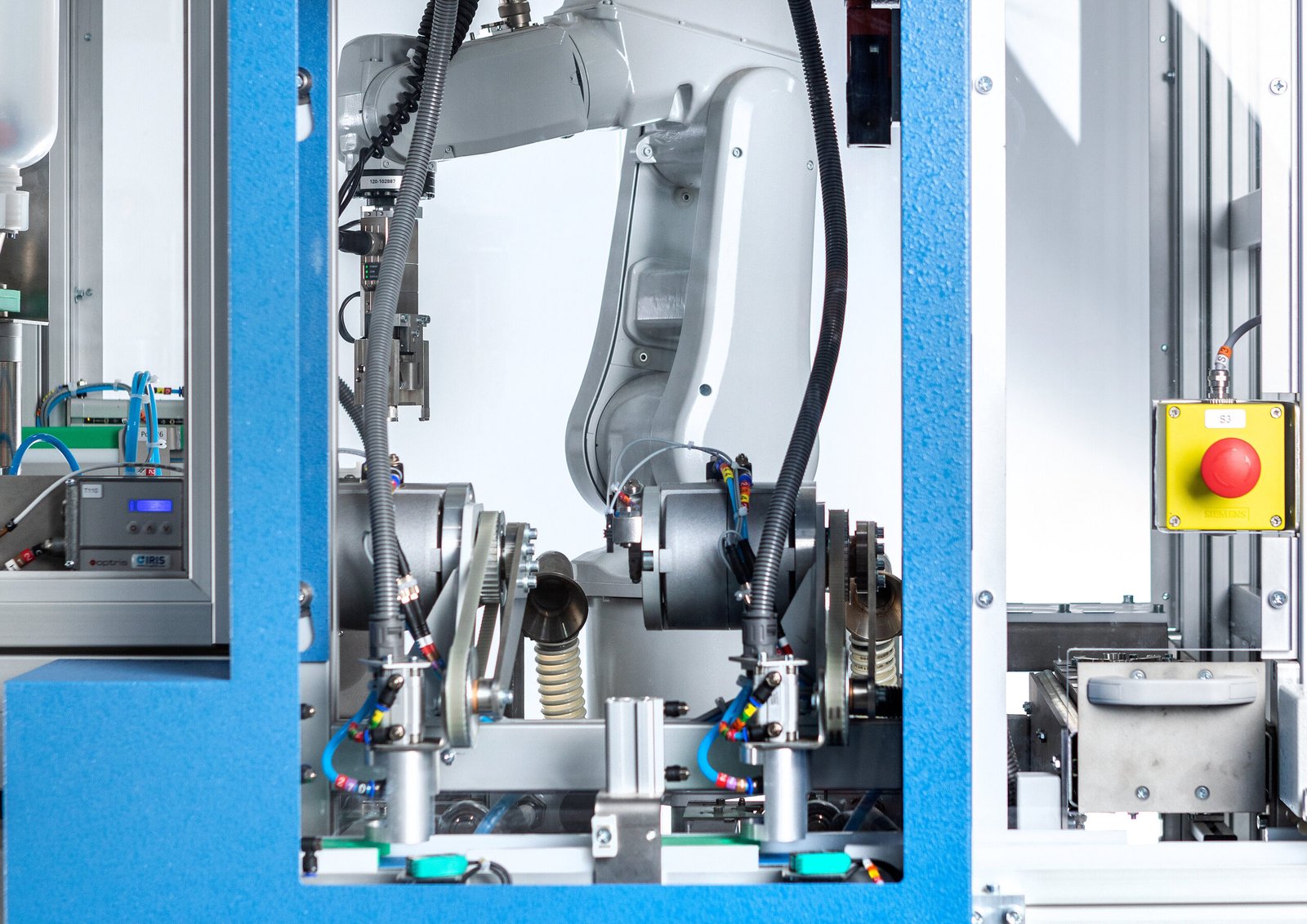
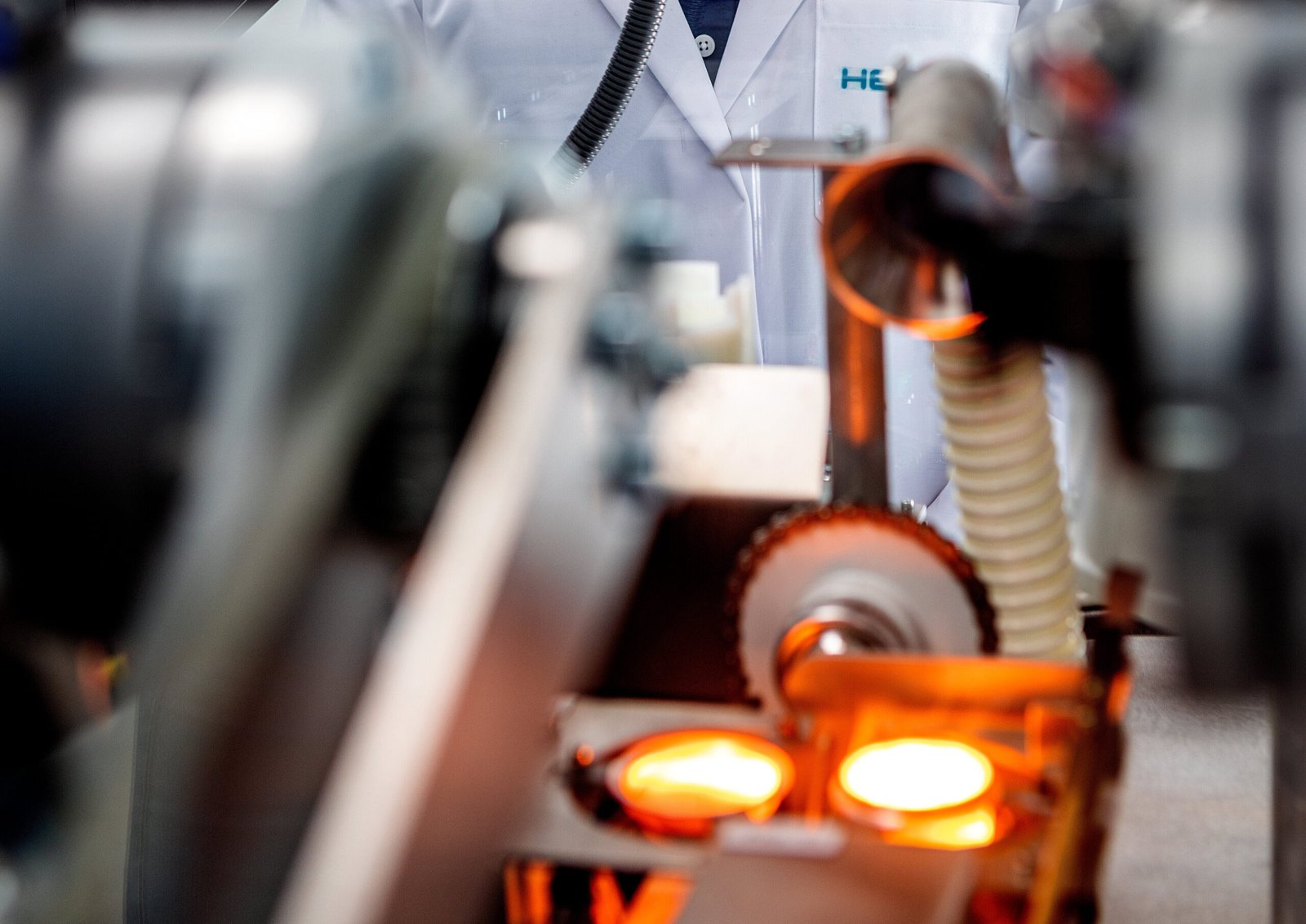
The HL-HAG uses modern high-frequency generators to fuse the sample material. These enable a continuous temperature setting between 385°C and 1300°C, which is precisely monitored by means of an infrared pyrometer. The temperature of the melt can be quickly and precisely adjusted to the desired target value. For better homogenization, the crucible is swirled during the process and can be tilted ± 45°.
Precise temperature control of the casting dish, including controlled cooling, provides optimal conditions for the production of perfect glass beads for X-ray fluorescence analysis.
Efficient automatic cleaning of platinum crucibles
After the fusion process, the platinum/gold crucible is automatically cleaned in a heated ultrasonic bath (option). The cleaning liquid is replaced at freely definable intervals. Finally, the crucible weight is checked to ensure complete cleanliness and readiness for use.
Highly accurate dosing of sample material
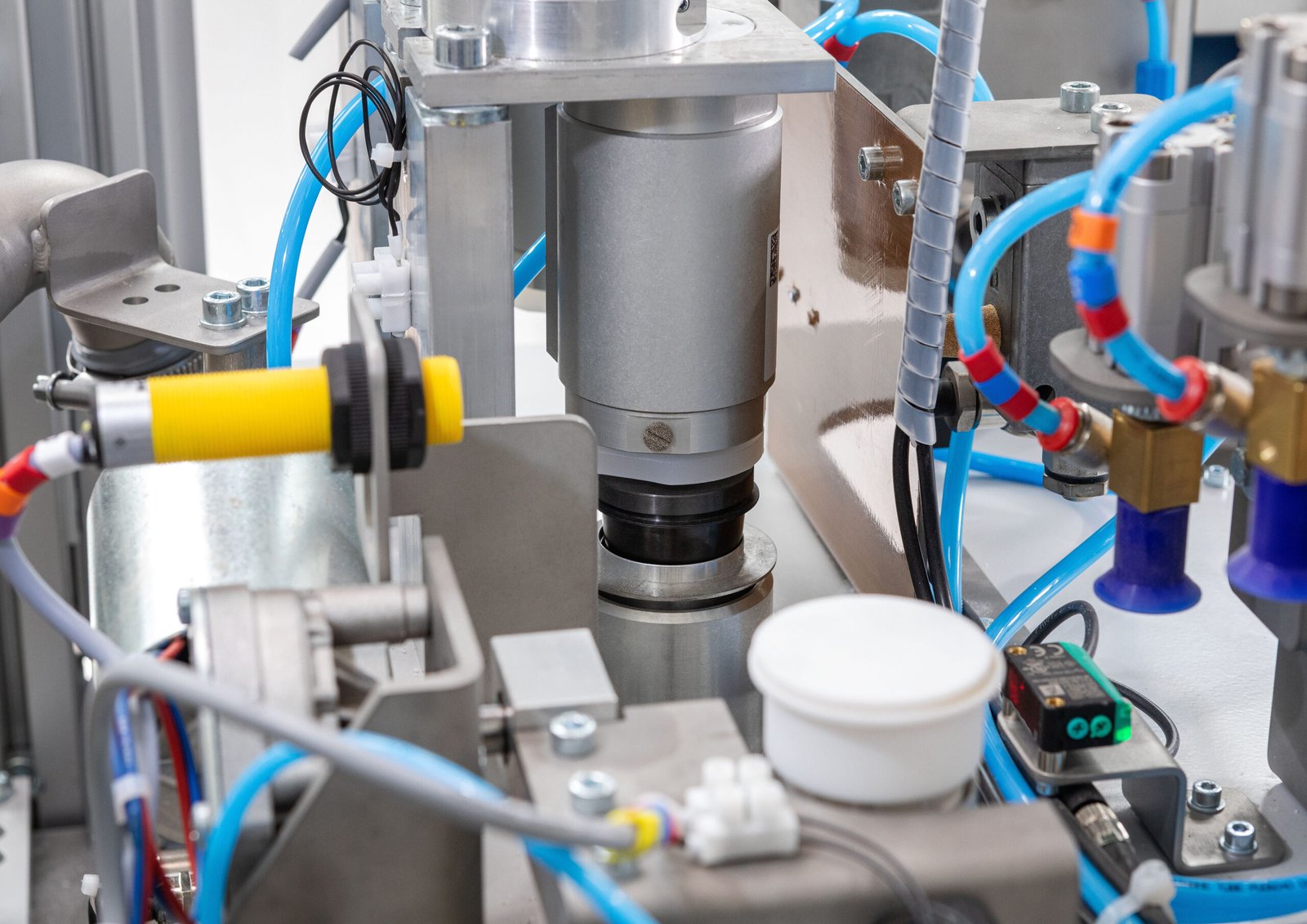
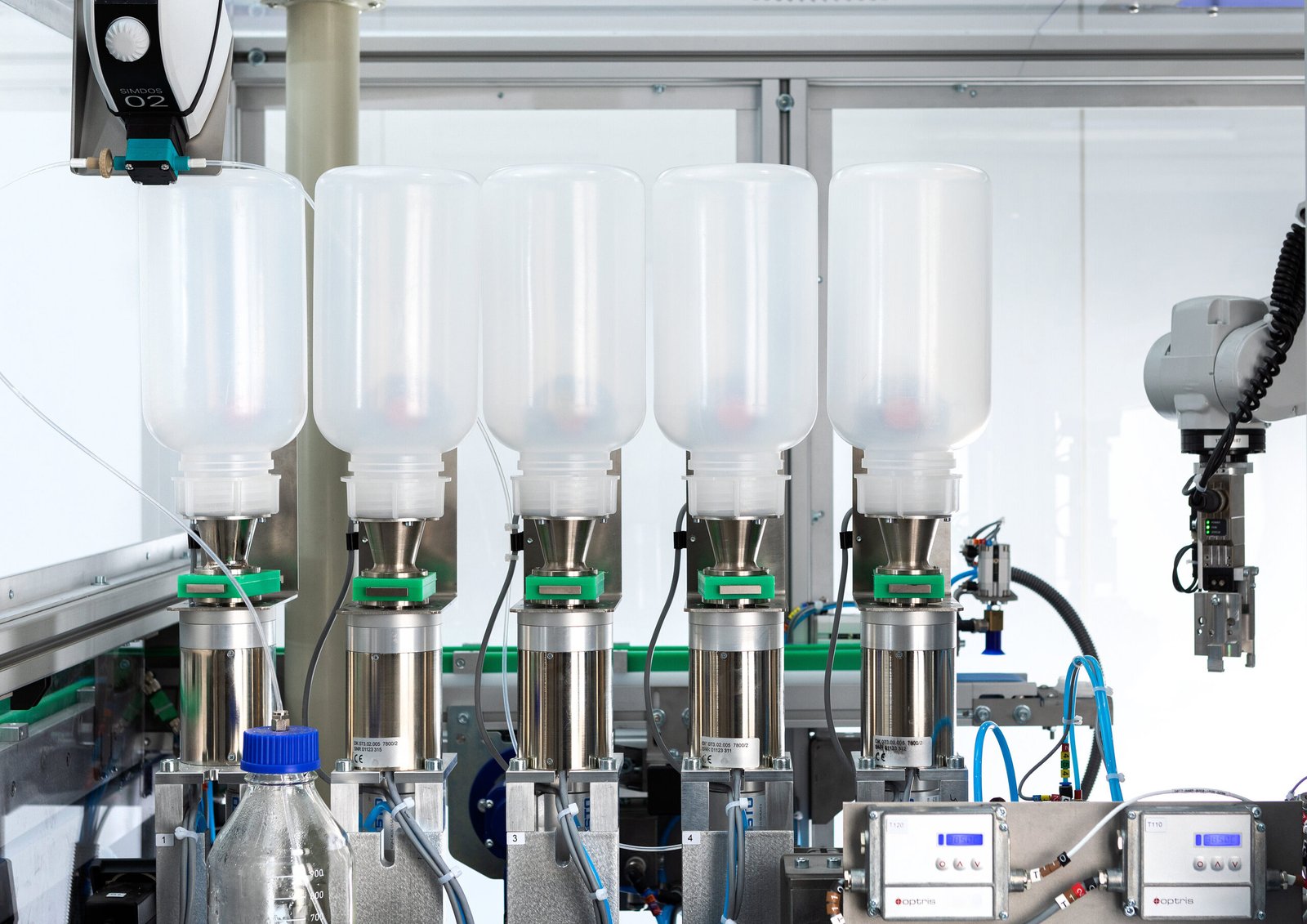
The powdered sample material is dosed gravimetrically via the HP-GCD unit, either directly from a sample cup or tube. The material is evenly conveyed by controlled vibration and impact movements. The dosing speed automatically adjusts to the difference to the target weight, ensuring that the required weight is reached quickly and precisely.
A special non-stick coating and the shape of the special sample cup ensure reliable dosing. Since the sample material is dosed directly from the cup, no additional cleaning is required.
Precise dosing of additives
Depending on the properties of the additives, either the HP-GID impulse dosing or the HP-GSD screw dosing is used. Both systems work gravimetrically and are connected to a precision balance, which continuously adjusts the dosage to the target weight. This technology ensures fast yet highly accurate dosing.
The HP-GID enables fine dosing of powders through electrically controlled pulses from a silicone reservoir that supports contamination-free analysis in the vast majority of applications.
The HP-GSD is made of a special polymer that is highly resistant to chemicals and does not lead to contamination by elements relevant to the analysis. The high-precision manufacturing of the individual components ensures continuous material flow.
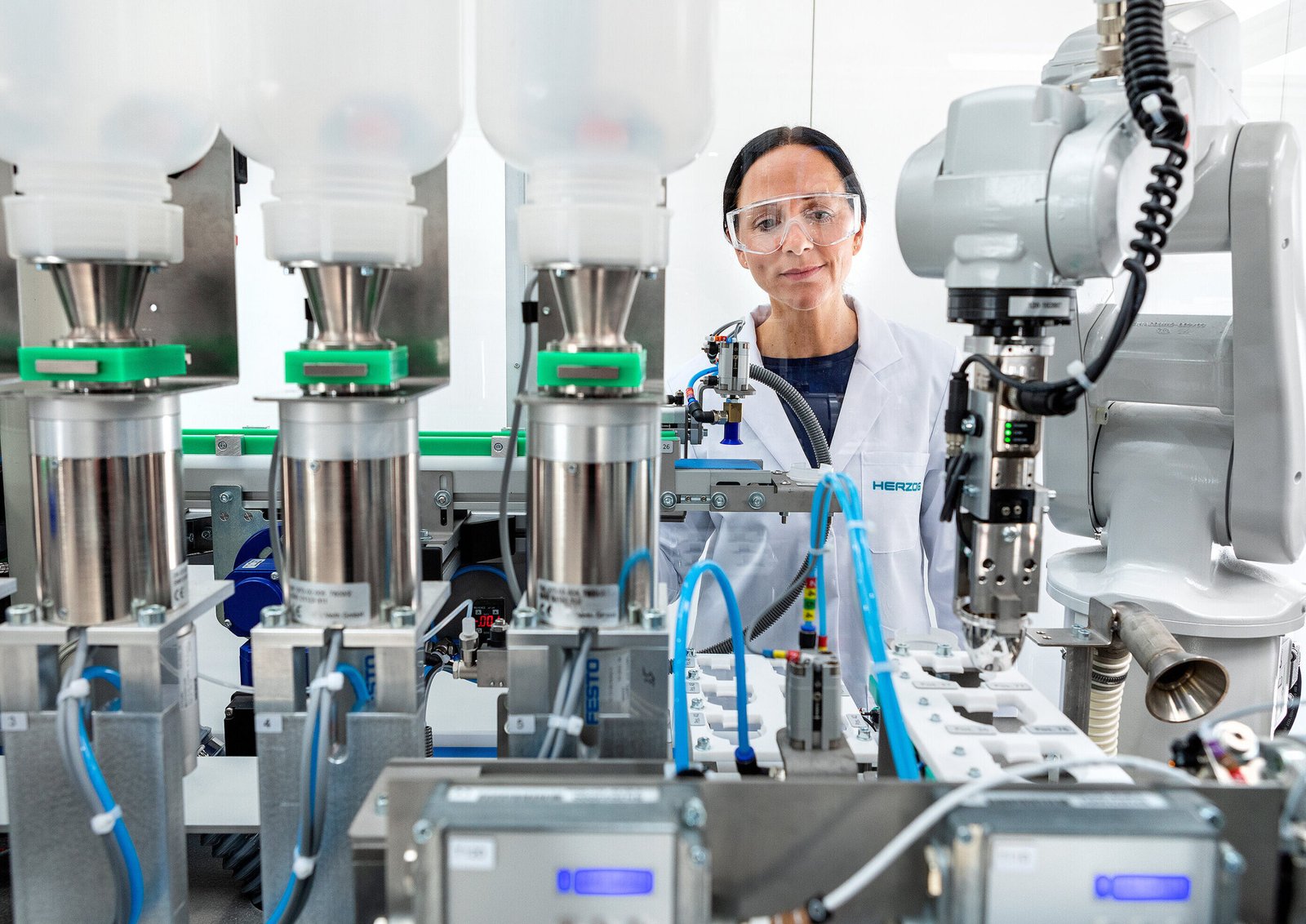
Several dosing stations can be arranged in series to quickly and precisely add various additives to a crucible.
Flexible sample and crucible input options
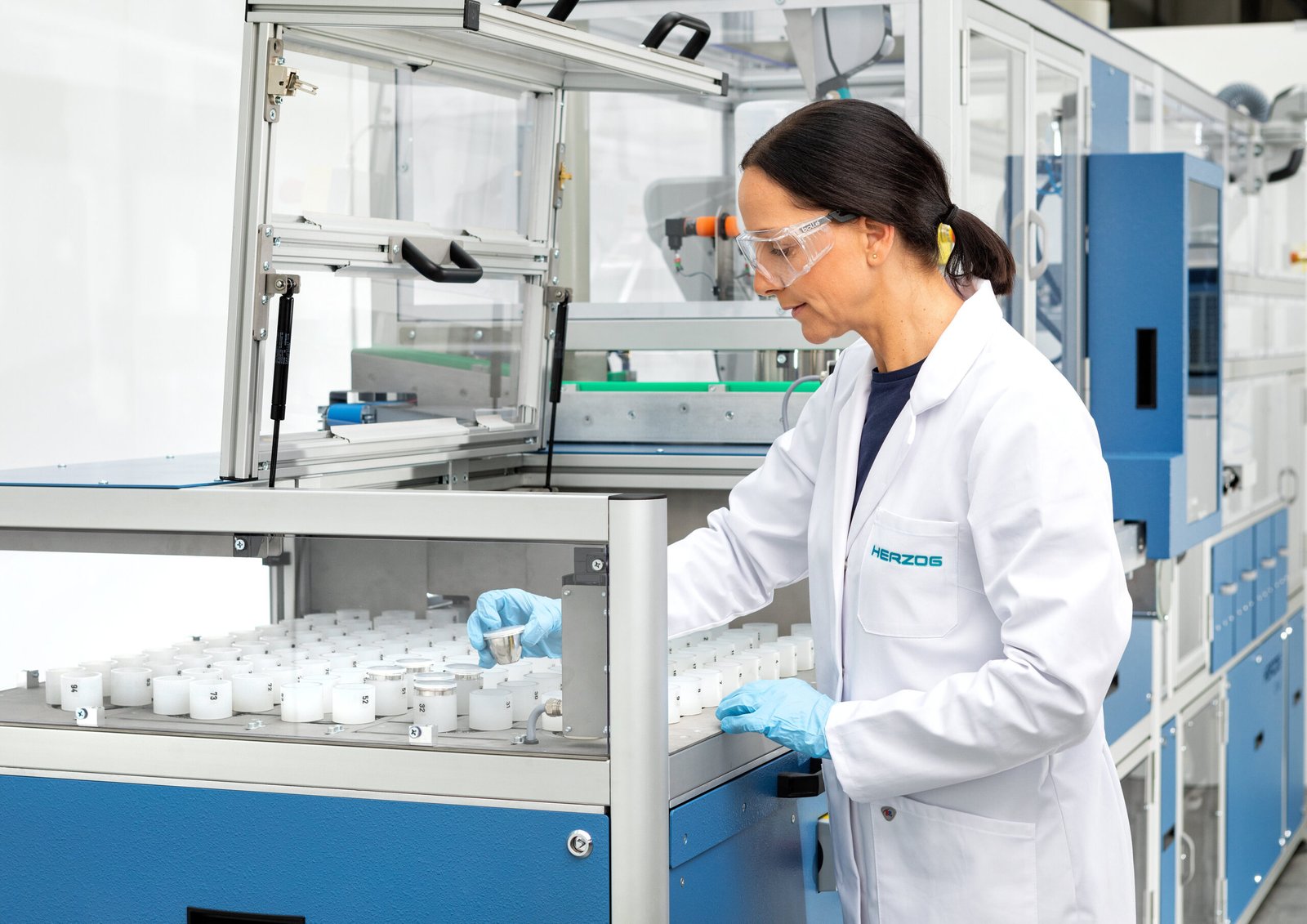
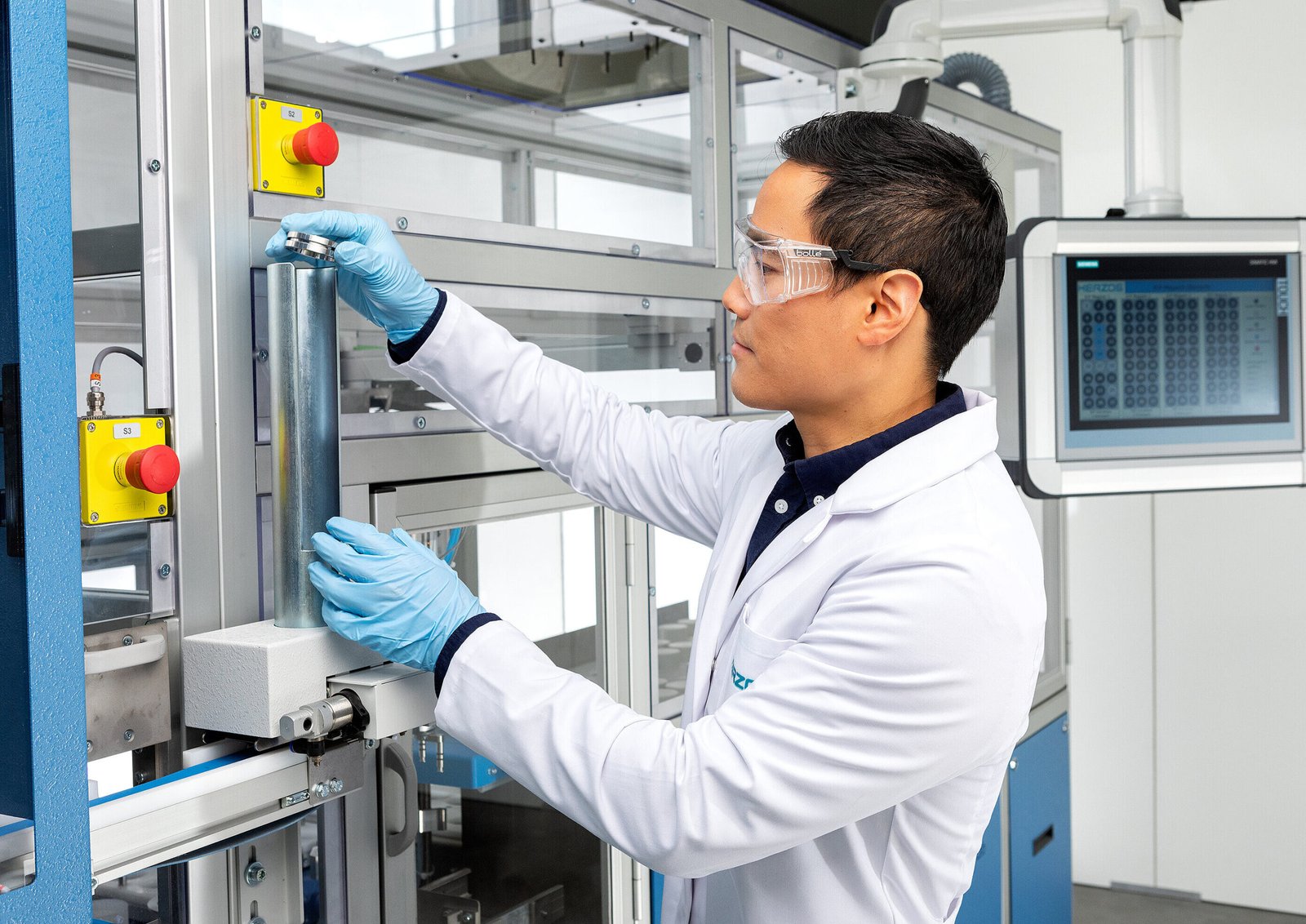
Sample cups and crucibles can be loaded in a variety of ways. For example, sample material can be ground in a mill, filled into the sample cup and then loaded into the HL-HAG via a belt system.
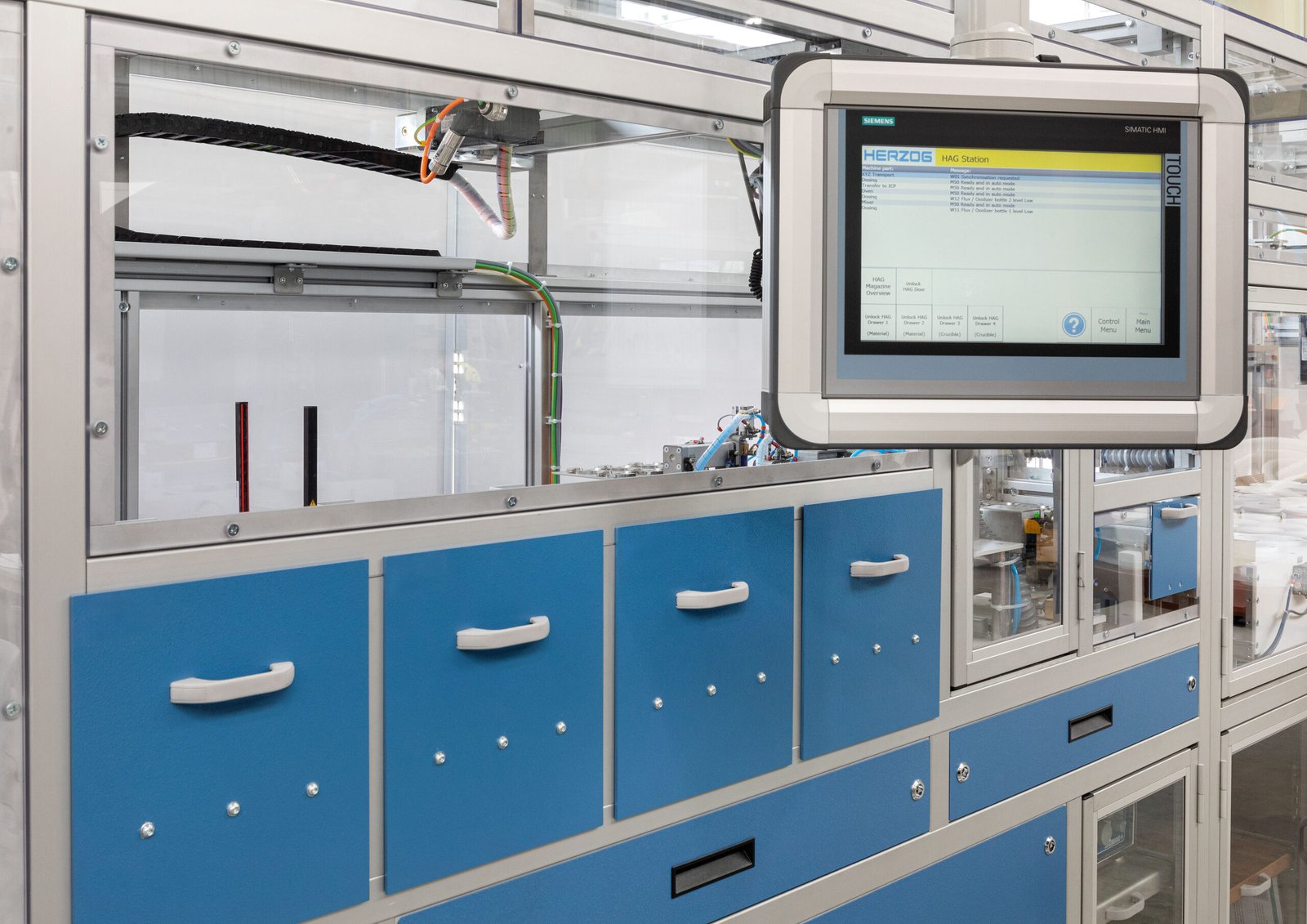
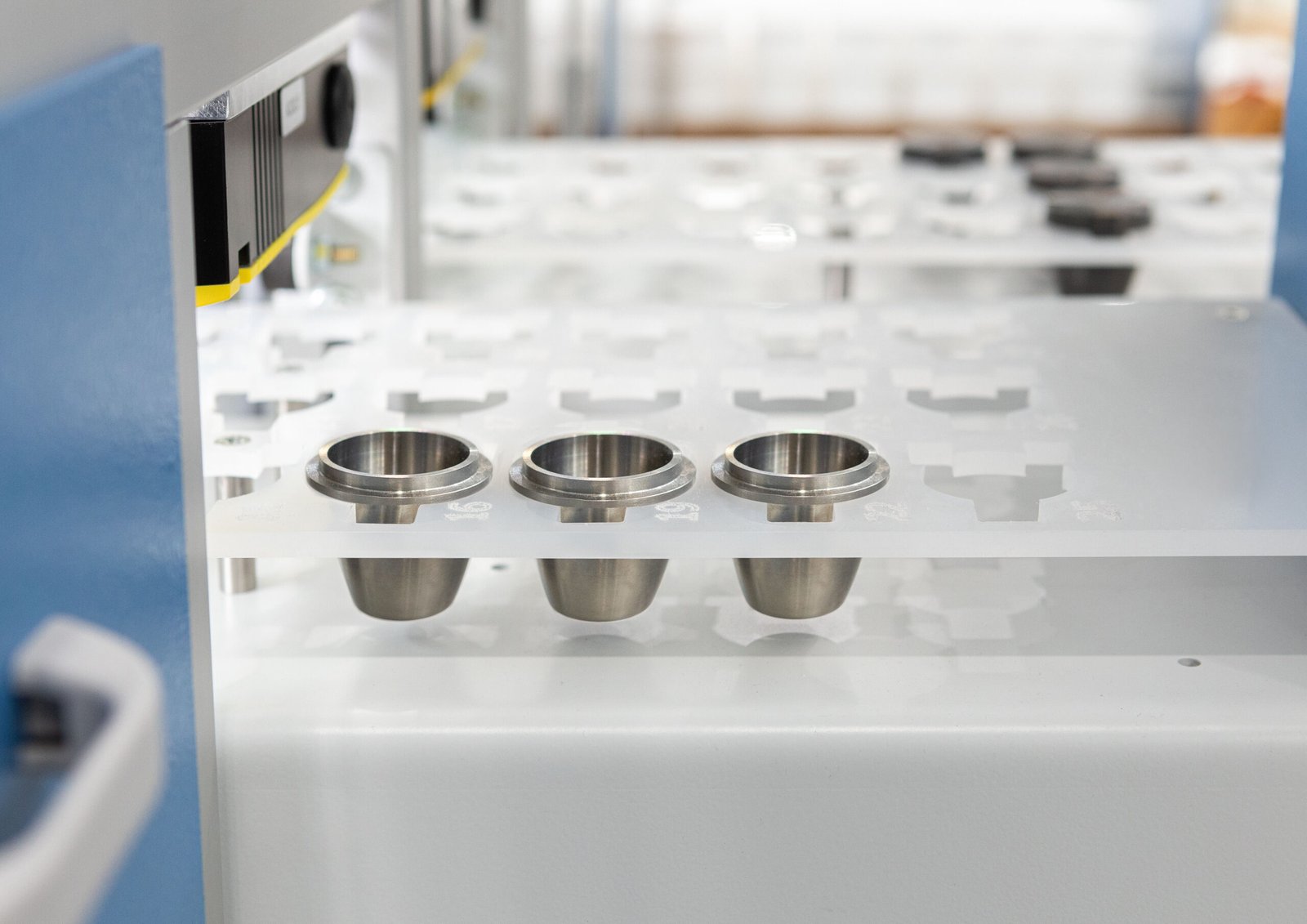
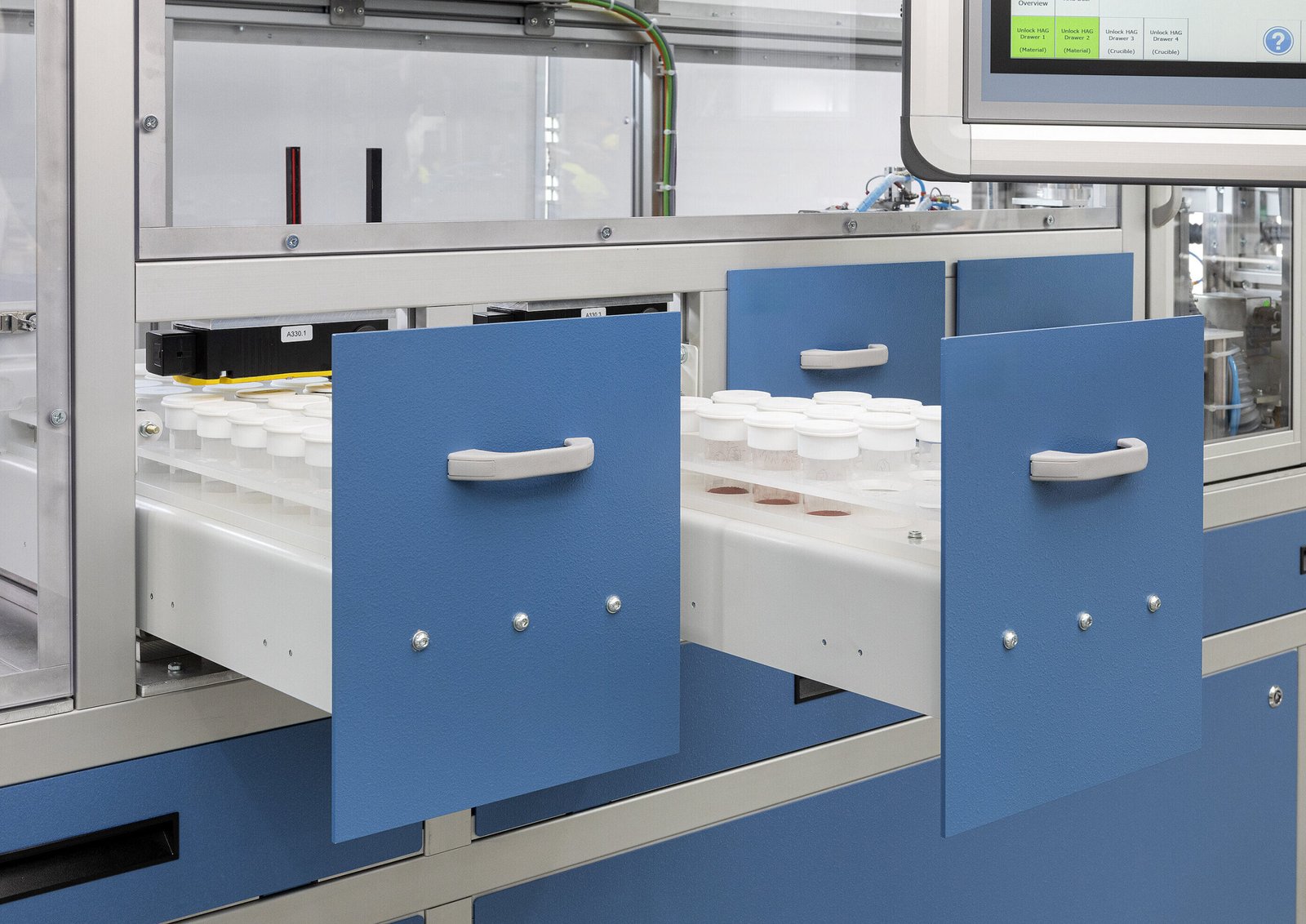
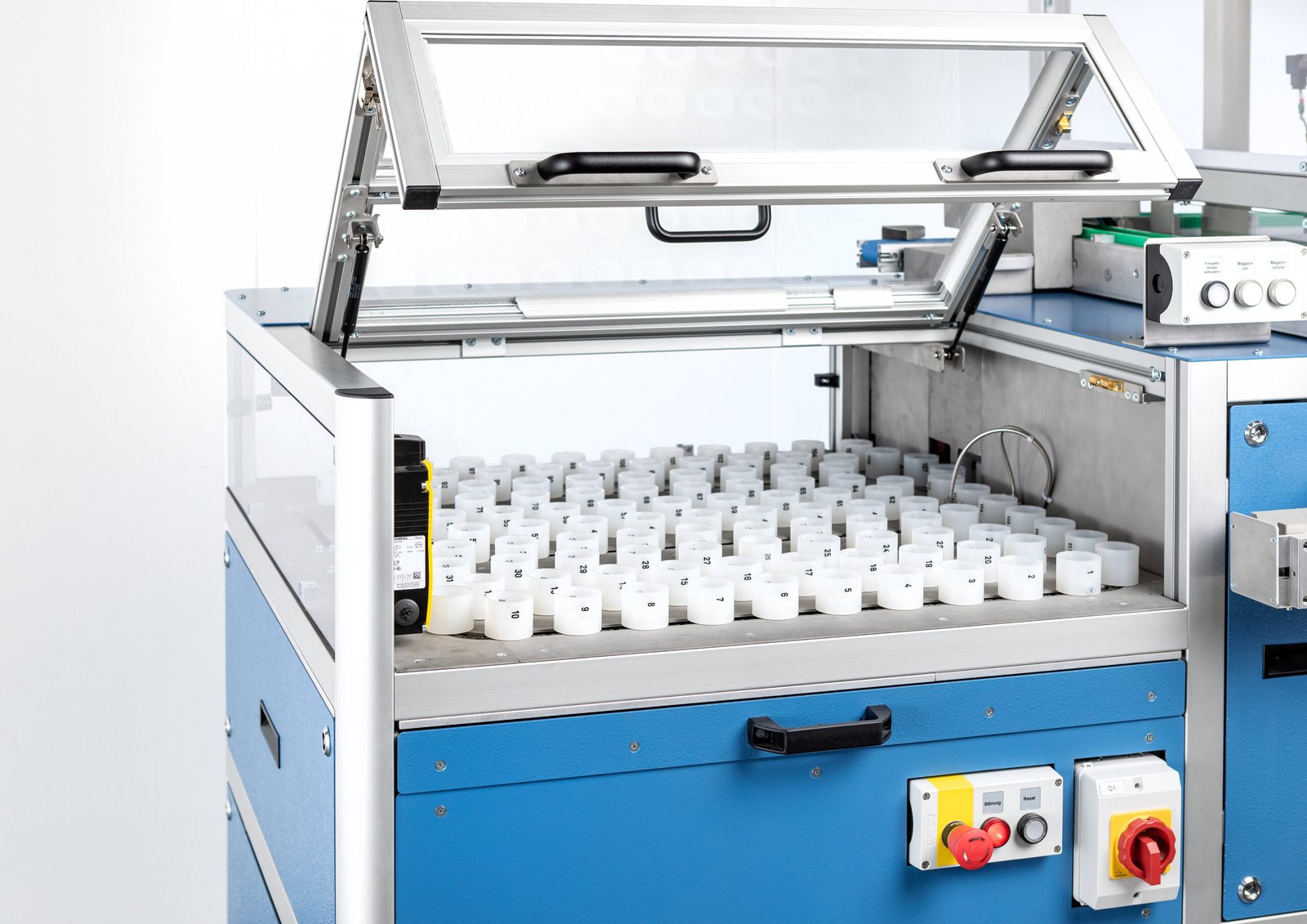
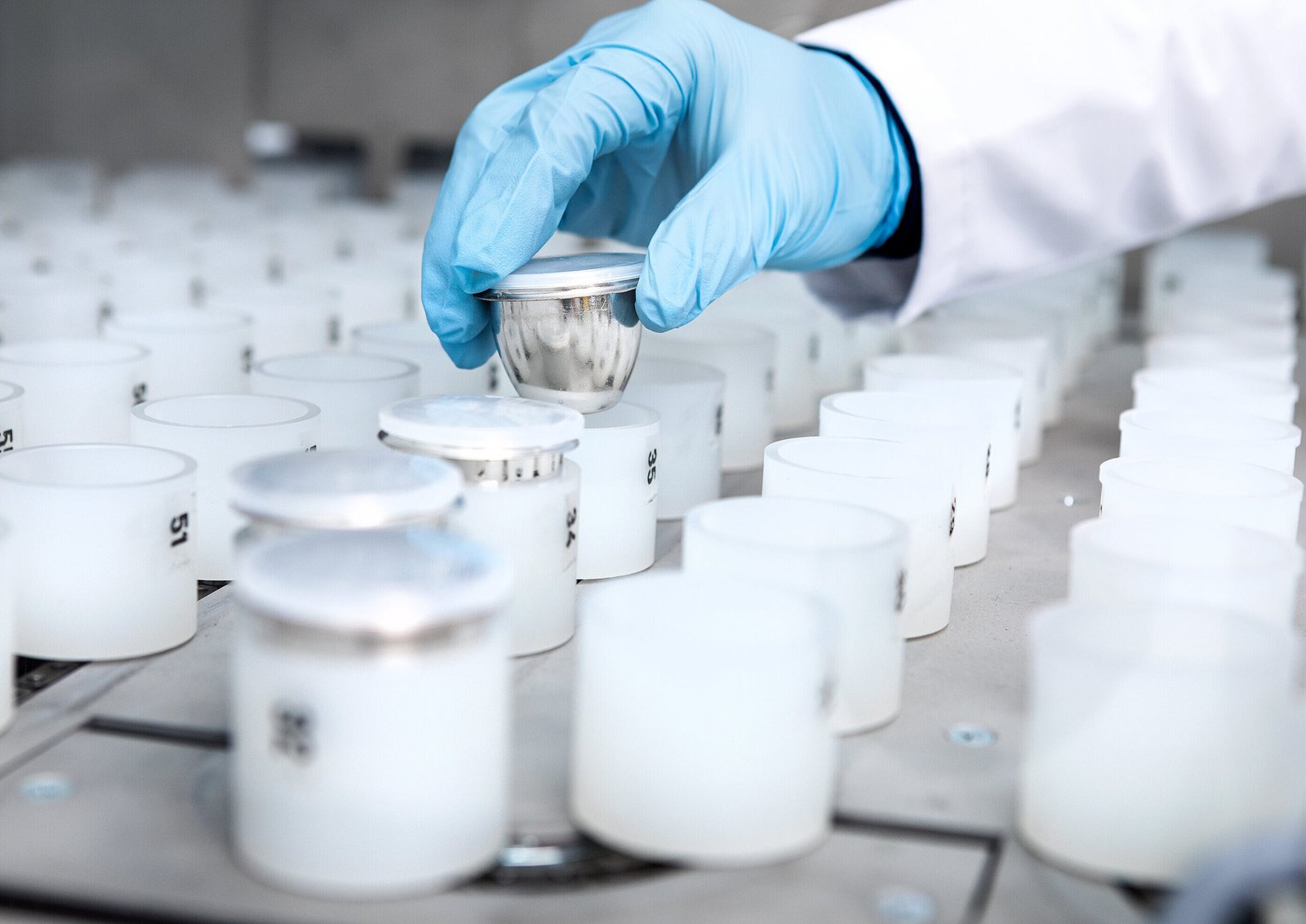
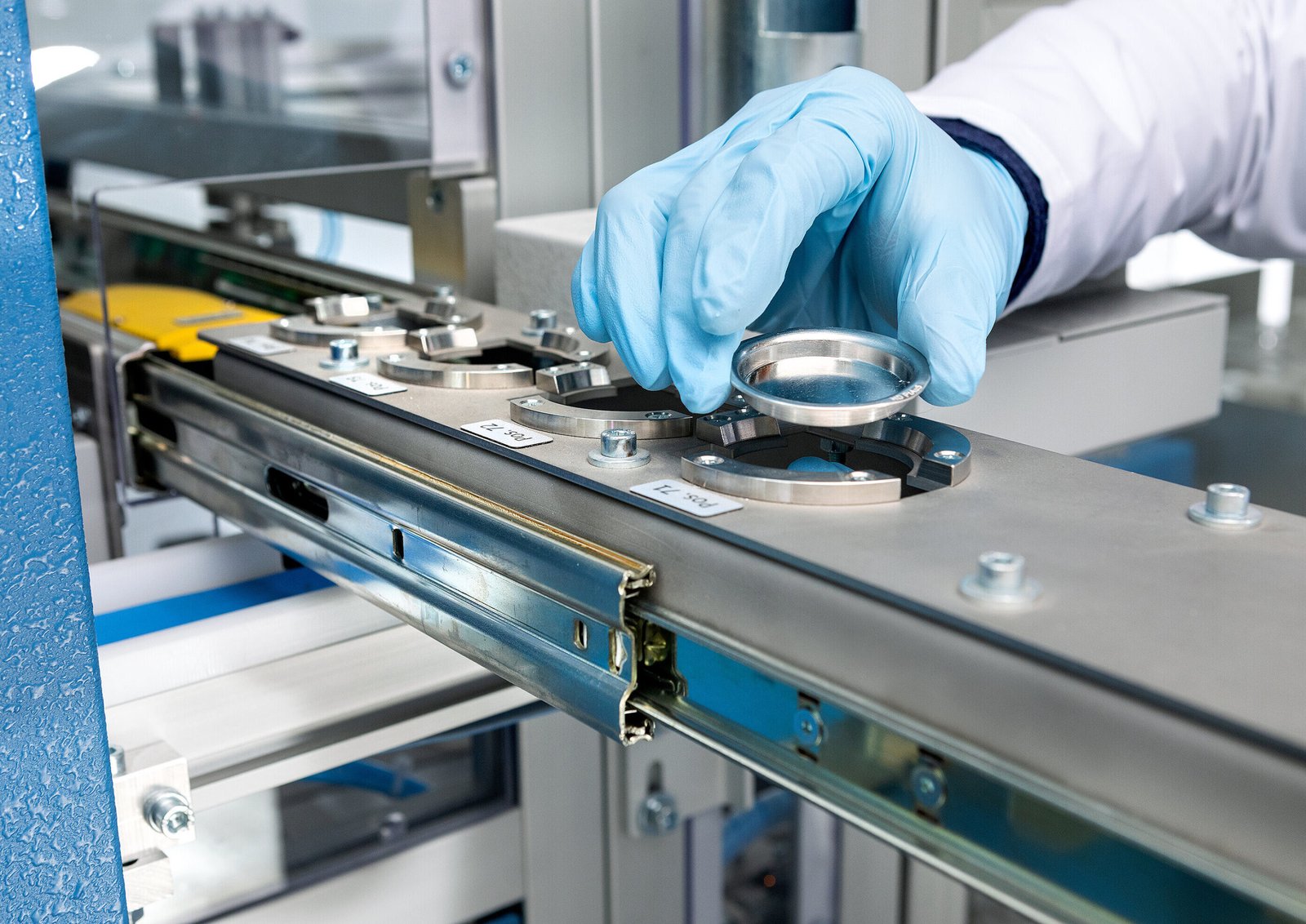
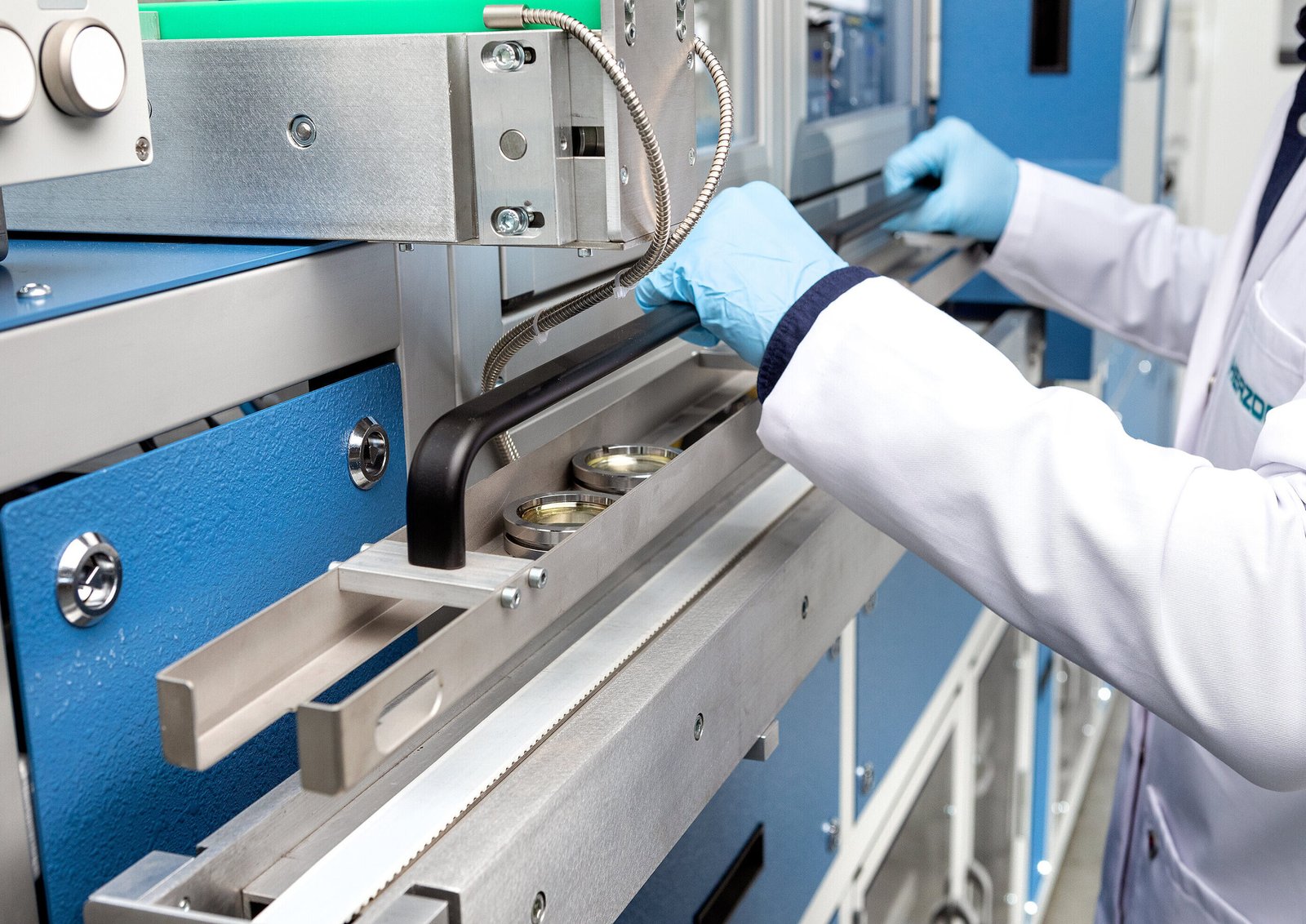
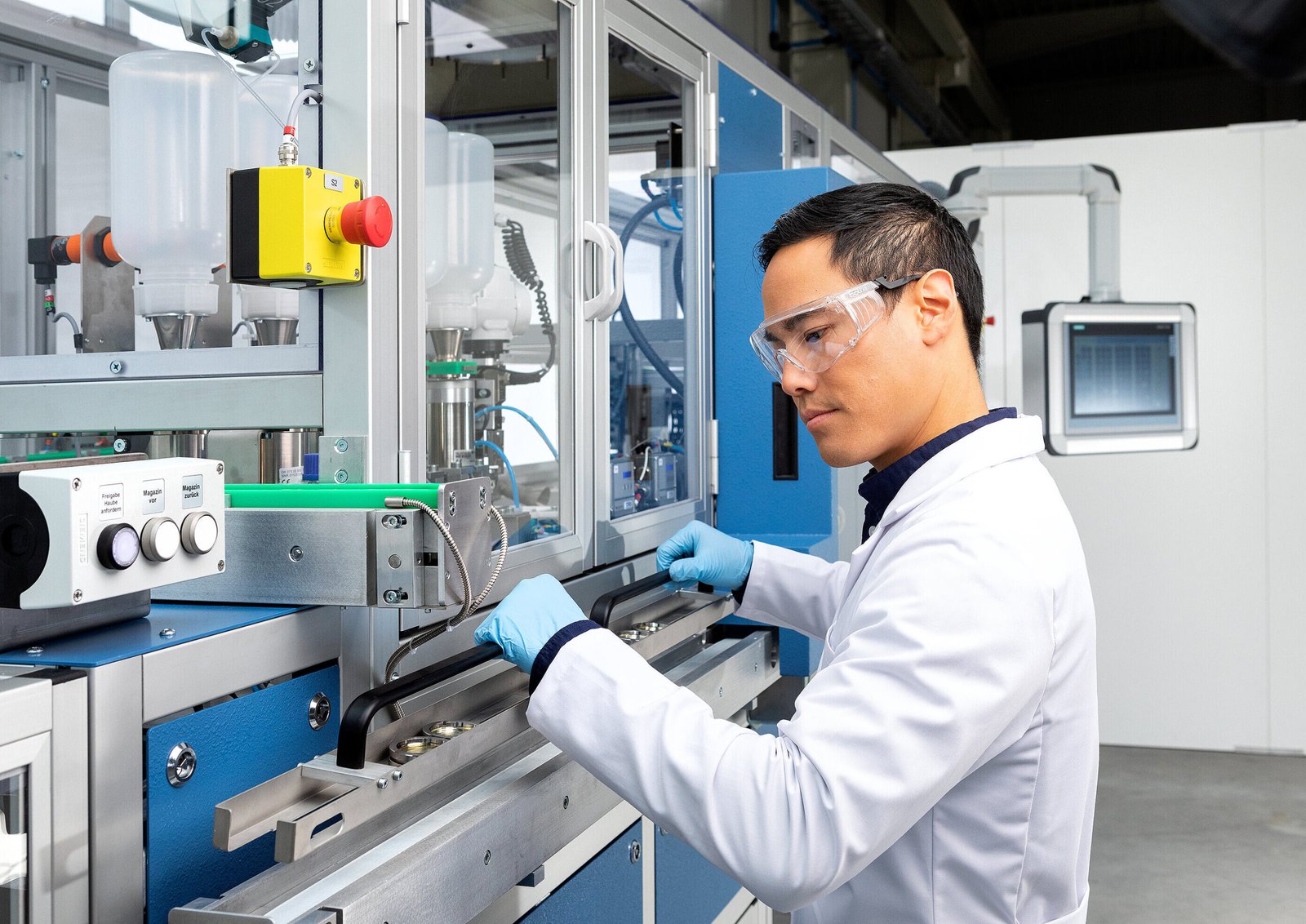
Crucibles and sample cups can also be loaded in batches. This can be done using an external belt-type magazine with up to 120 positions. It is also possible to load the vessels using HL-DM type drawer magazines that are integrated directly into the frame of the HL-HAG. The vessels are then handled by a portal system.
Sample containers and crucibles can be inserted with a lid, which is automatically removed and replaced during the dosing process. This reliably prevents potential contamination of the sample from external sources.
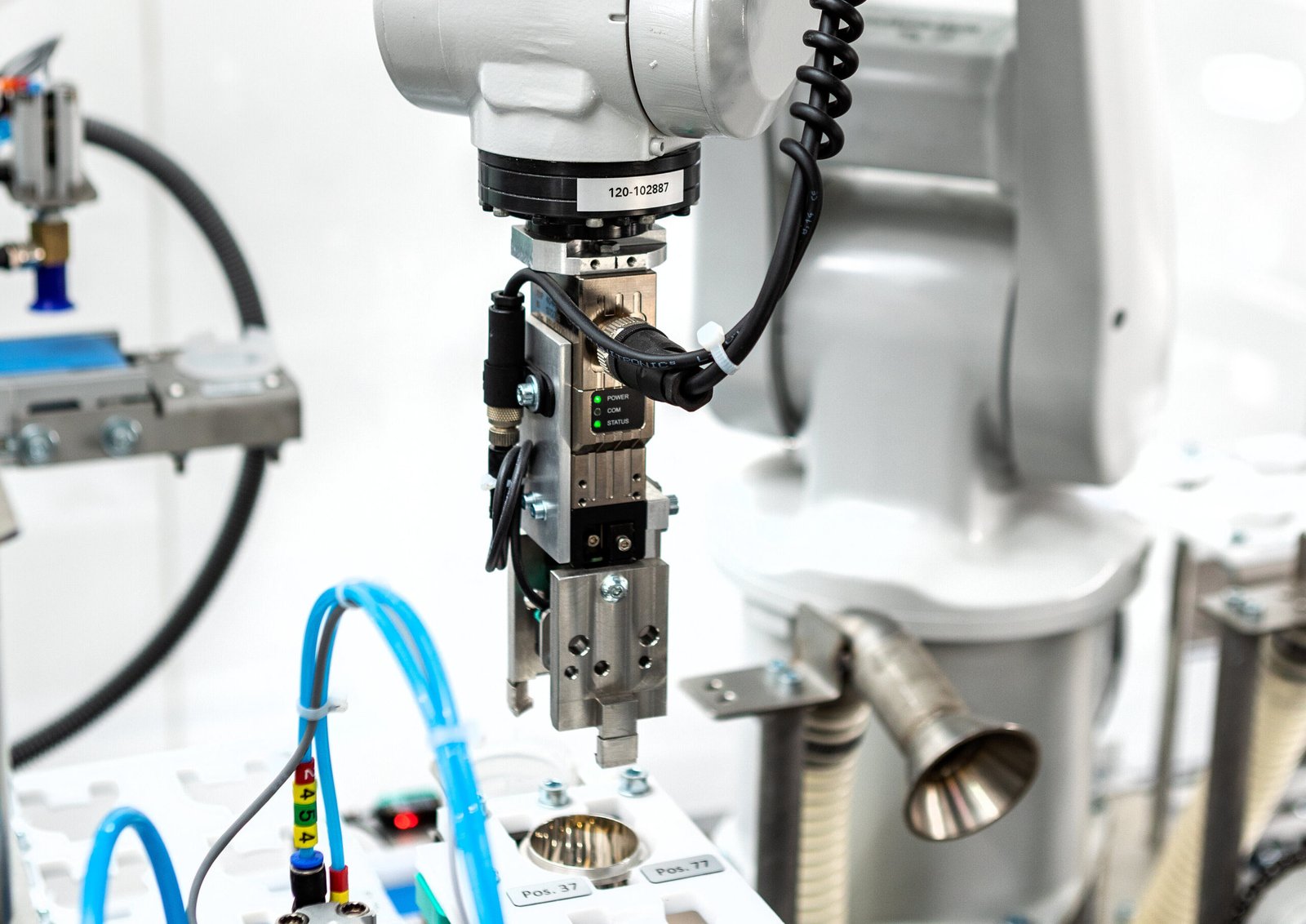
Handling with a robot or portal system
Sample beakers, crucibles and dishes can be handled either by a multi-axis robot or a portal system, depending on the customer’s requirements. If crucibles and sample beakers are fed via drawer magazines, the portal system is used for handling.
Design options:
- Additional fusion unit
- Equipment for fusion unit for peroxide fusion
- Temperature monitoring for casting dishes
- Additional dosing unit type HP-GCD
- Additional dosing unit type HP-GID
- Dosing unit type HP-GSD
- Ultrasonic cleaning unit
- Belt-type magazine for crucibles (up to 120 positions)
- HL-DM drawer magazine for sample cups and/or crucibles
- Multi-axis robot for handling sample cups, crucibles and dishes