The standard solution in the non-ferrous industry – unbeatable in terms of space, processing speed and flexibility
Application
- Separation and/or milling of non-ferrous samples for optical emission spectroscopy, X-ray fluorescence and other methods
Materials
- Non-ferrous specimens with diameters up to 70 mm, round
Operating mode
- Automatic
- Stand-alone operation
- Linear Automation
- Robot automation
All advantages at a glance:
Automatic sample preparation for more precise analysis
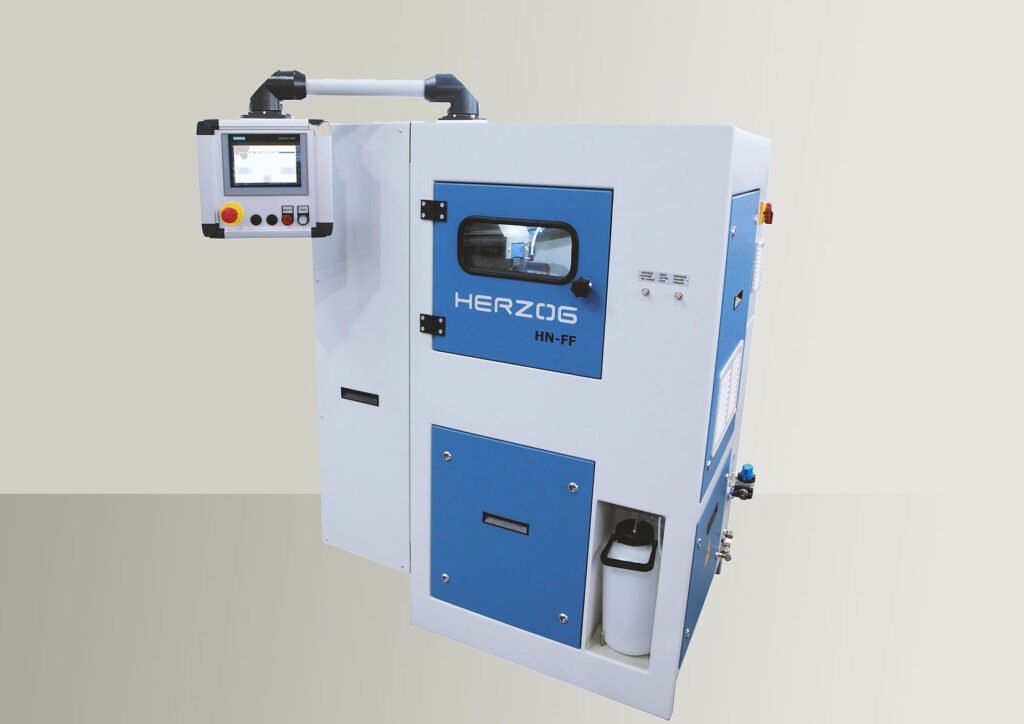
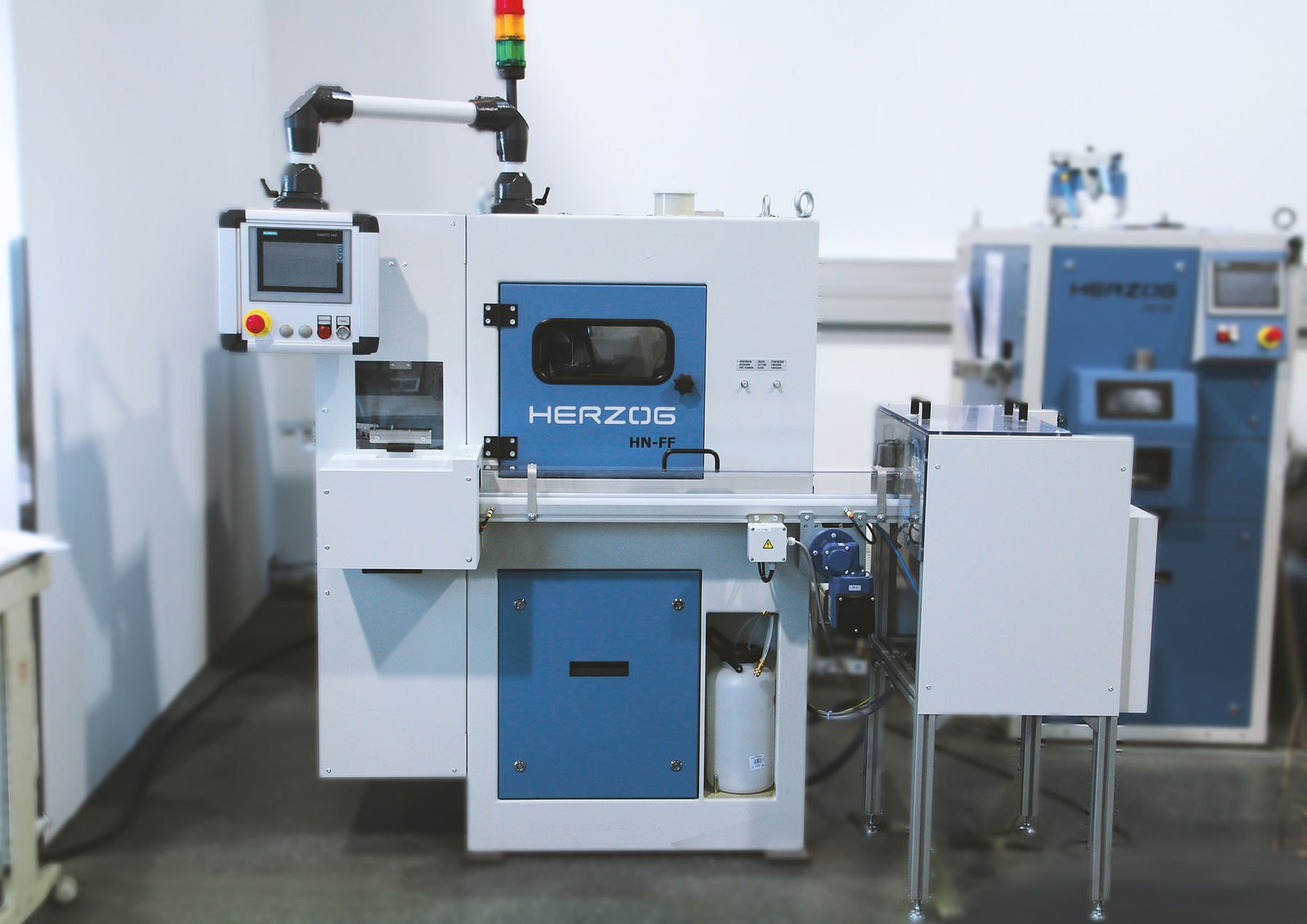
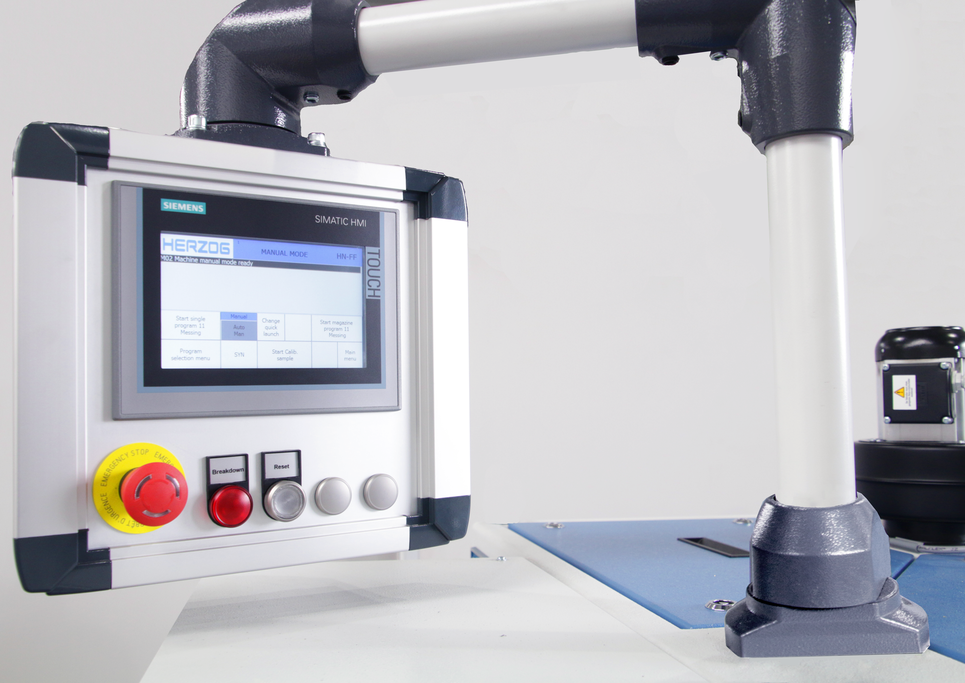
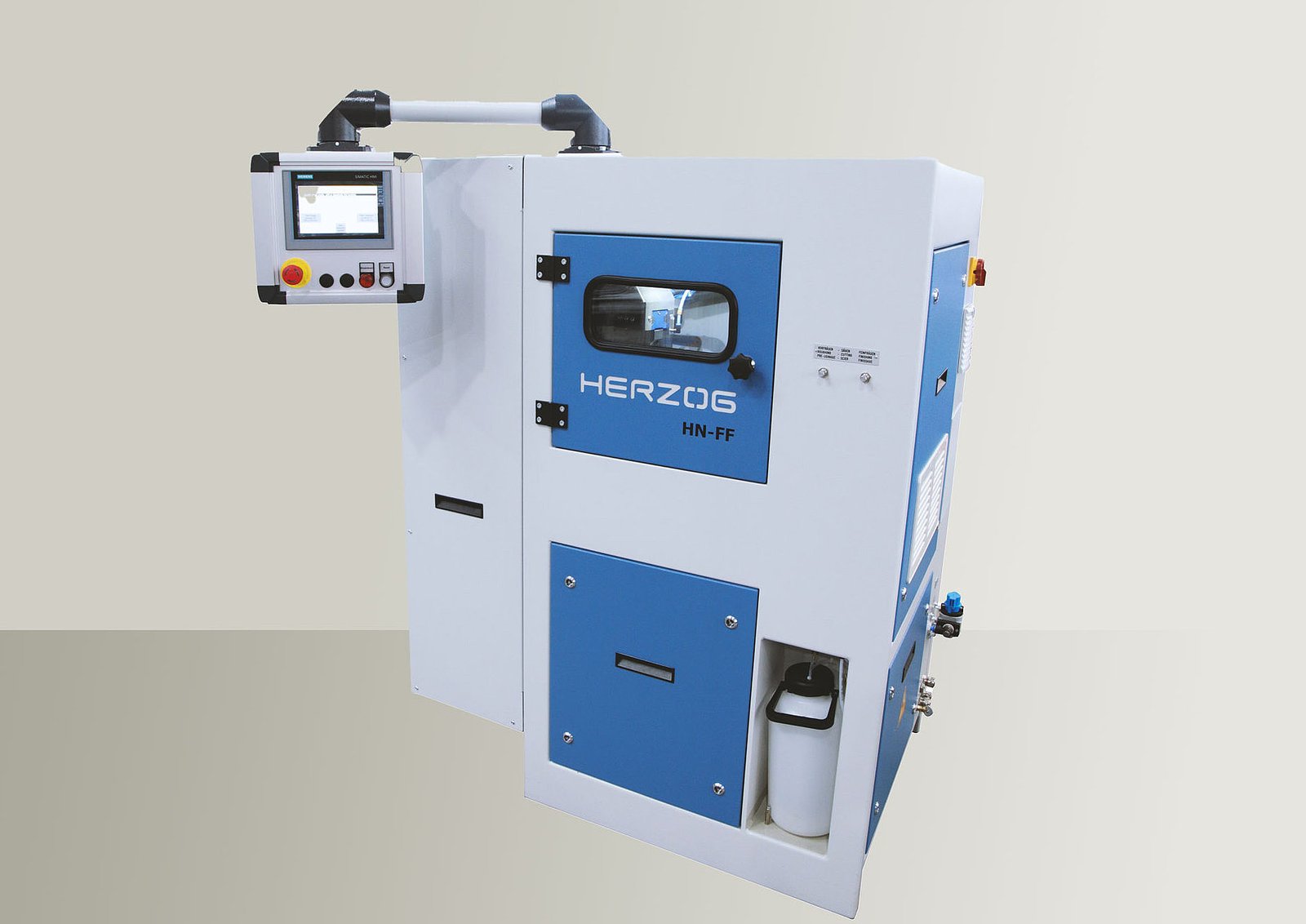
The HN-FF is the milling machine for fully automatic Sample Preparation of non-ferrous samples. The HN-FF enables the reproducible preparation of optimally suitable sample surfaces for optical emission or X-ray fluorescence spectroscopy. The HN-FF offers a compact design, a sophisticated safety concept and ergonomic operation. This makes it perfect for both stand-alone operation and integration into linear or robotic automation.
Absolute efficiency for laboratory operations
All parameters important for the milling process, such as feed speed, milling depth and speed, can be adjusted and are reproducibly controlled via the PLC. This eliminates improper handling and processing of samples and increases the reliability of sample analysis. The Automation The HN-FF with the help of batch magazines and/or robots leads to a significant increase in sample throughput while reducing time and costs.
Compact and modular design
The machine has a footprint of only 800 x 800 mm. This enables uncomplicated installation, operation and maintenance even in confined spaces. Due to the modular design, the machine can be easily adapted to almost any customer requirement. Standard modules such as robot input, magazines or belt connections facilitate integration into automatic operation and lead to significant cost savings for the customer.
The HN-FF is a central component of the HERZOG MetalLab, which enables cost-efficient full automation of the Sample Preparation analysis for the non-ferrous industry.
Maximum flexibility in sample size and shape
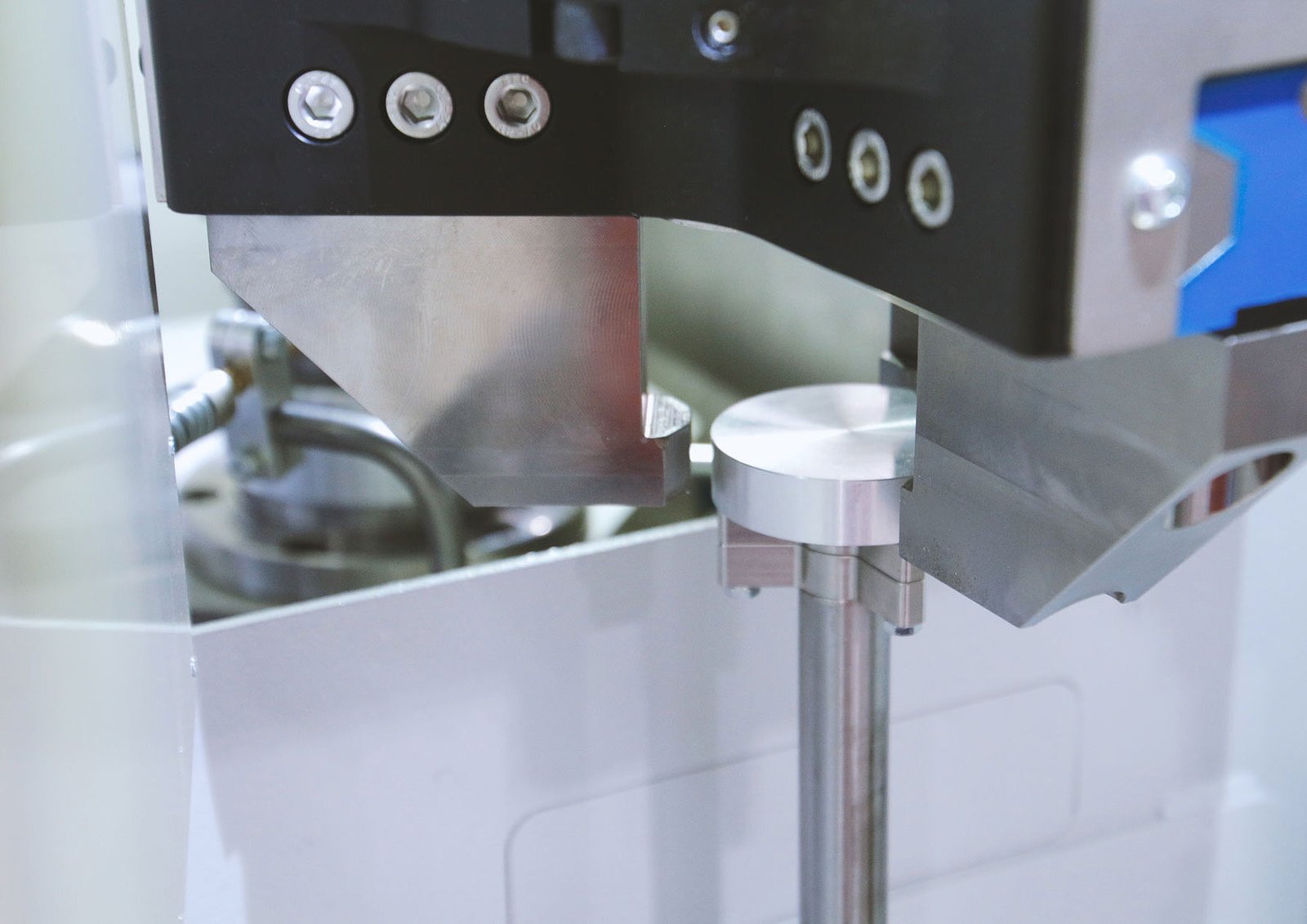
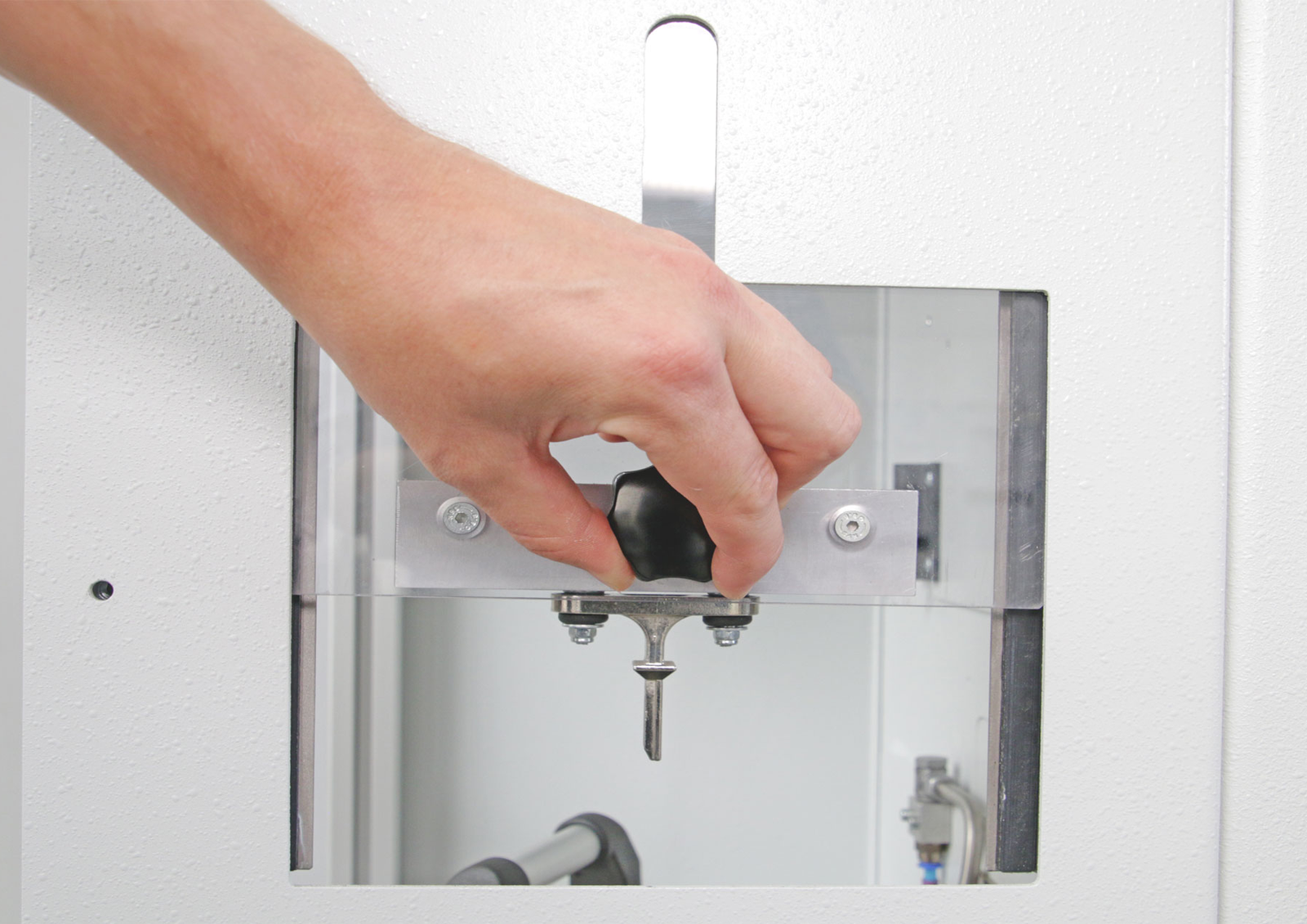
The HN-FF offers maximum flexibility in the processing of different sample shapes. Specimens with a diameter of a minimum of 10 mm to a maximum of 70 mm can be clamped. Different sample forms including mushroom samples and sample heights can be processed by the HN-FF.
Optimally coordinated sample preparation steps
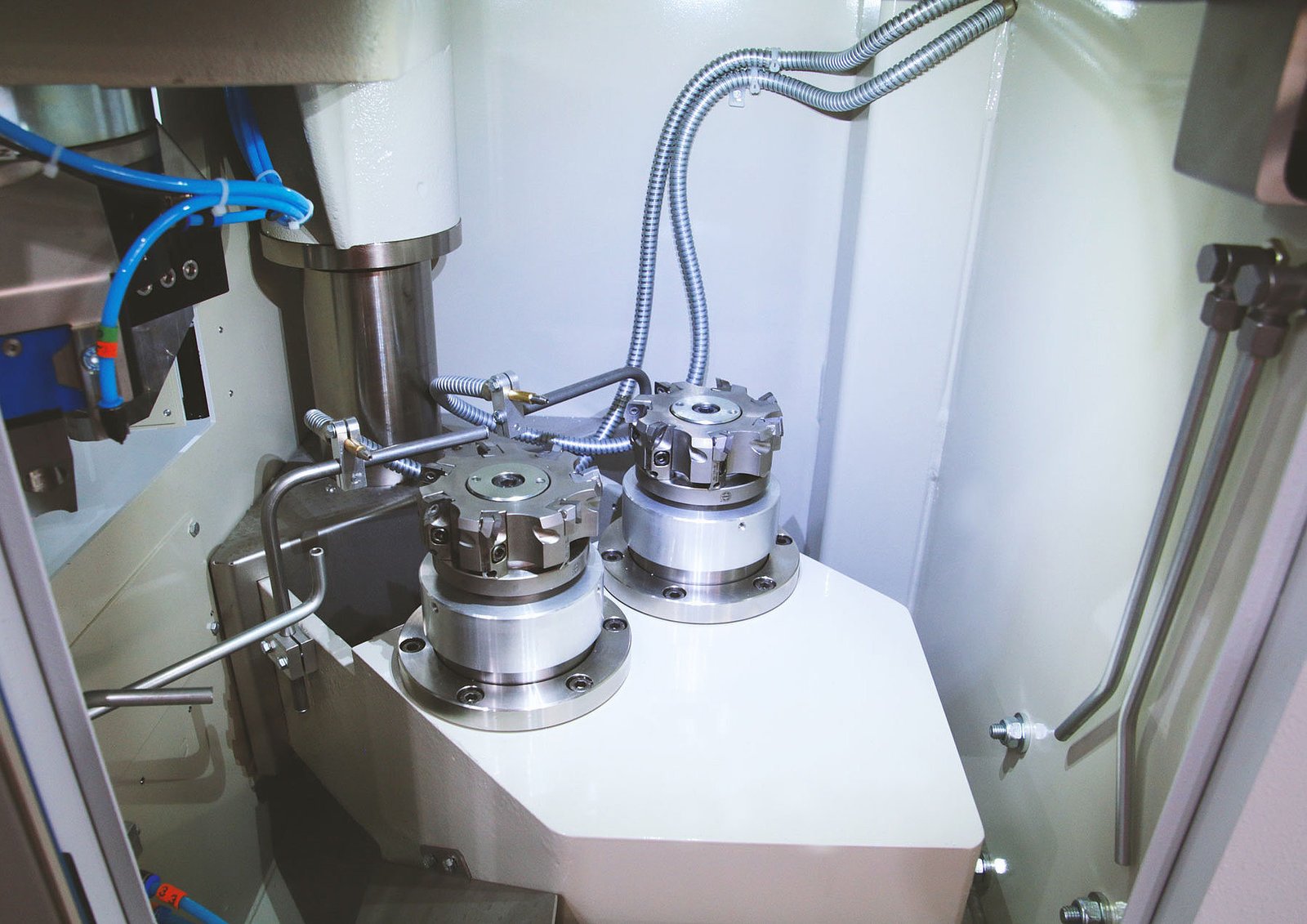
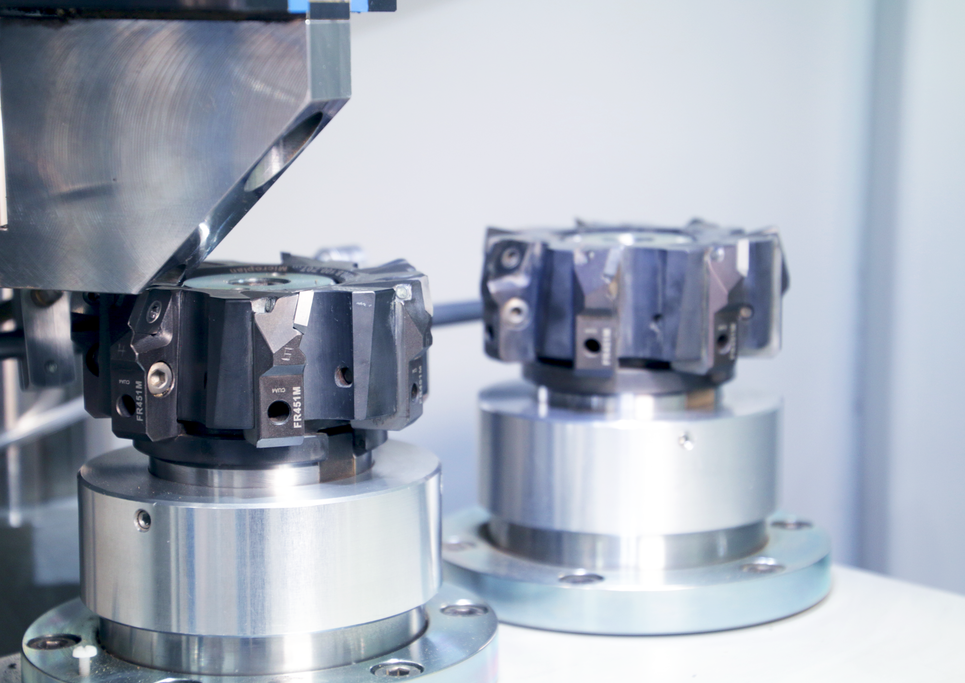
All sample preparation steps in the HN-FF have been perfectly coordinated to enable optimal processing of non-ferrous samples. Numerous configuration options for milling tools, inserts and cooling media offer full process control for optimal analysis surfaces, minimal burr formation and the longest possible service life. Specially developed face milling cutters and indexable inserts with special coating and grinding (carbide and milling diamond PCD) enable the machining of even difficult and particularly soft specimens.
The two milling spindles present in the HN-FF can be configured in different ways. Often, the first spindle is equipped with a milling head, which delivers a high level of material removal during the so-called “coarse milling” and thus enables the exposure of the representative sample layer. Subsequently, the so-called “fine milling” is carried out via the second milling head, which ensures a perfect surface for the subsequent analysis.
Alternatively, the first spindle can be equipped with a special circular saw blade for rapid cutting of the sample (configuration HN-SF). After the separation process, the specimen surface is finished by the fine milling cutter.
Perfect combination of safety and ergonomics
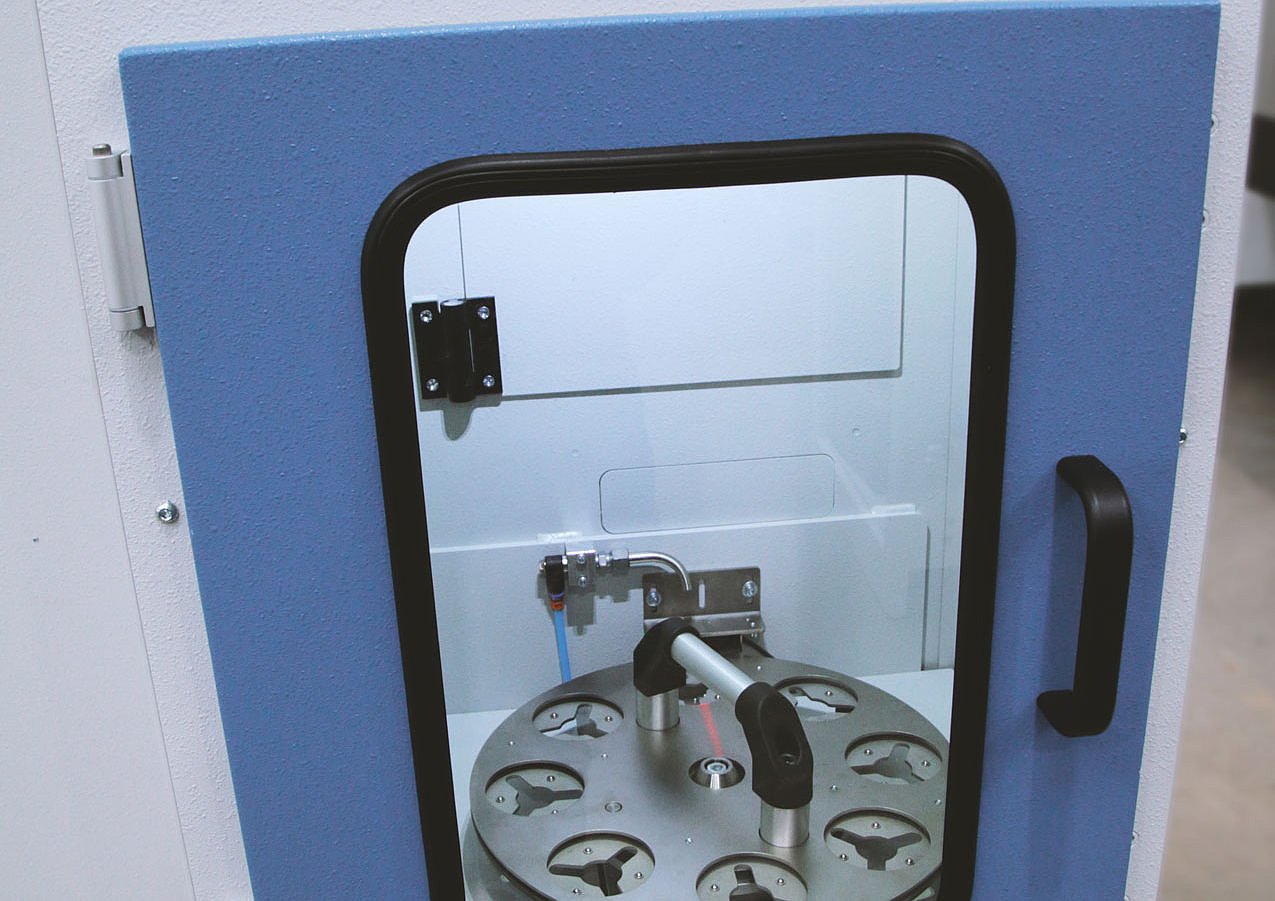
The HN-FF sets standards in safety. The fully automated operations, as well as the use of safety switches on the manual sample entry and milling room door, ensure the health and safety of the operator. For the Sample Preparation For magnesium samples, a special variant of the HN-FF is available, which enables immediate and residue-free transport of the chips from the milling room of the machine.
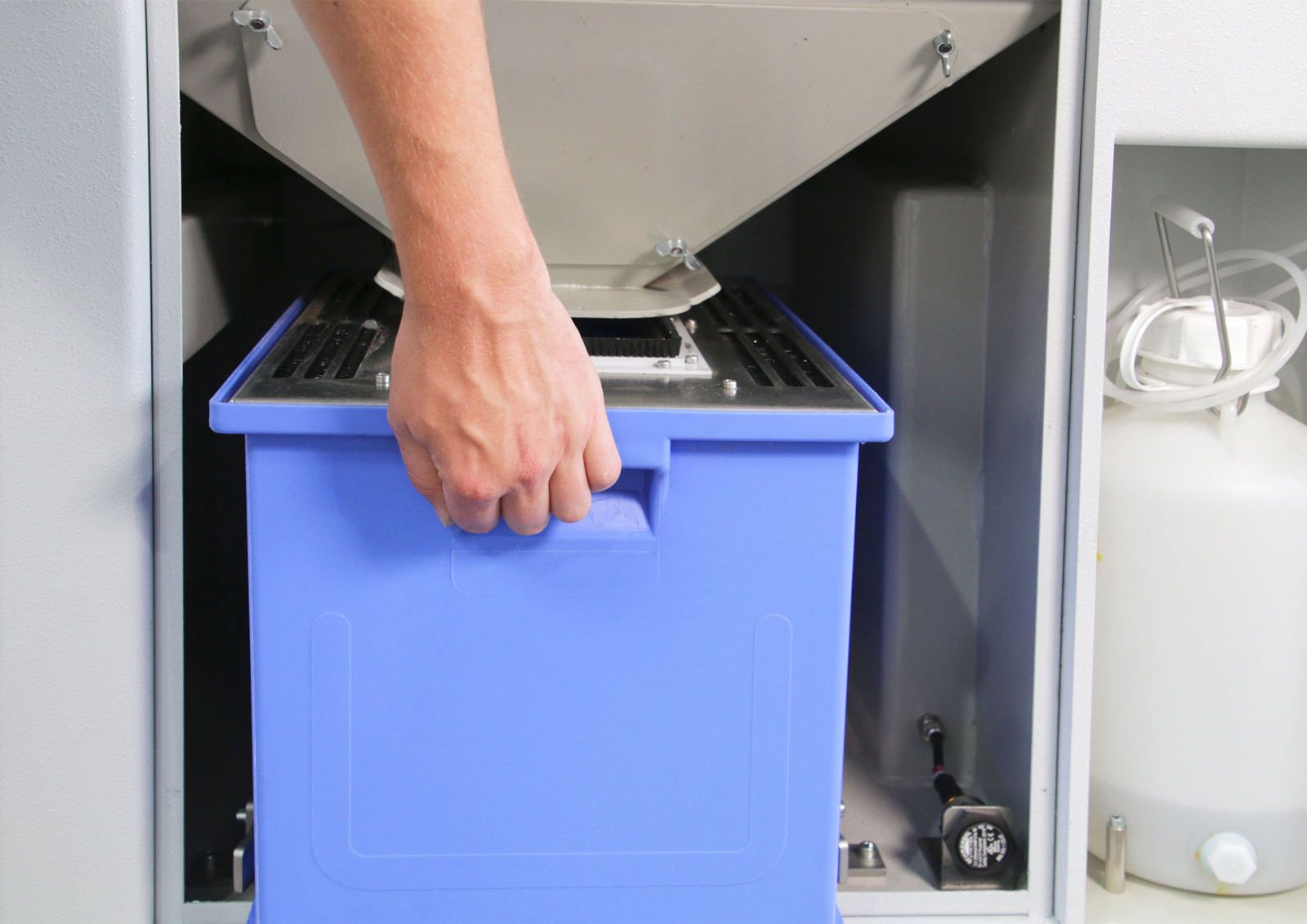
At the same time, great importance was attached to reducing noise emissions and further improving ergonomic operation, e.g. through easier accessibility and cleaning of the machine.
Tool Condition Monitoring
The use of modern sensor technology makes it possible, for example, to monitor the machine bearings and the condition of the inserts. The automatic data evaluation is carried out with the help of our PrepMaster Analytics software, which provides the operator with a comprehensive overview of the condition of the machine.
Execution options:
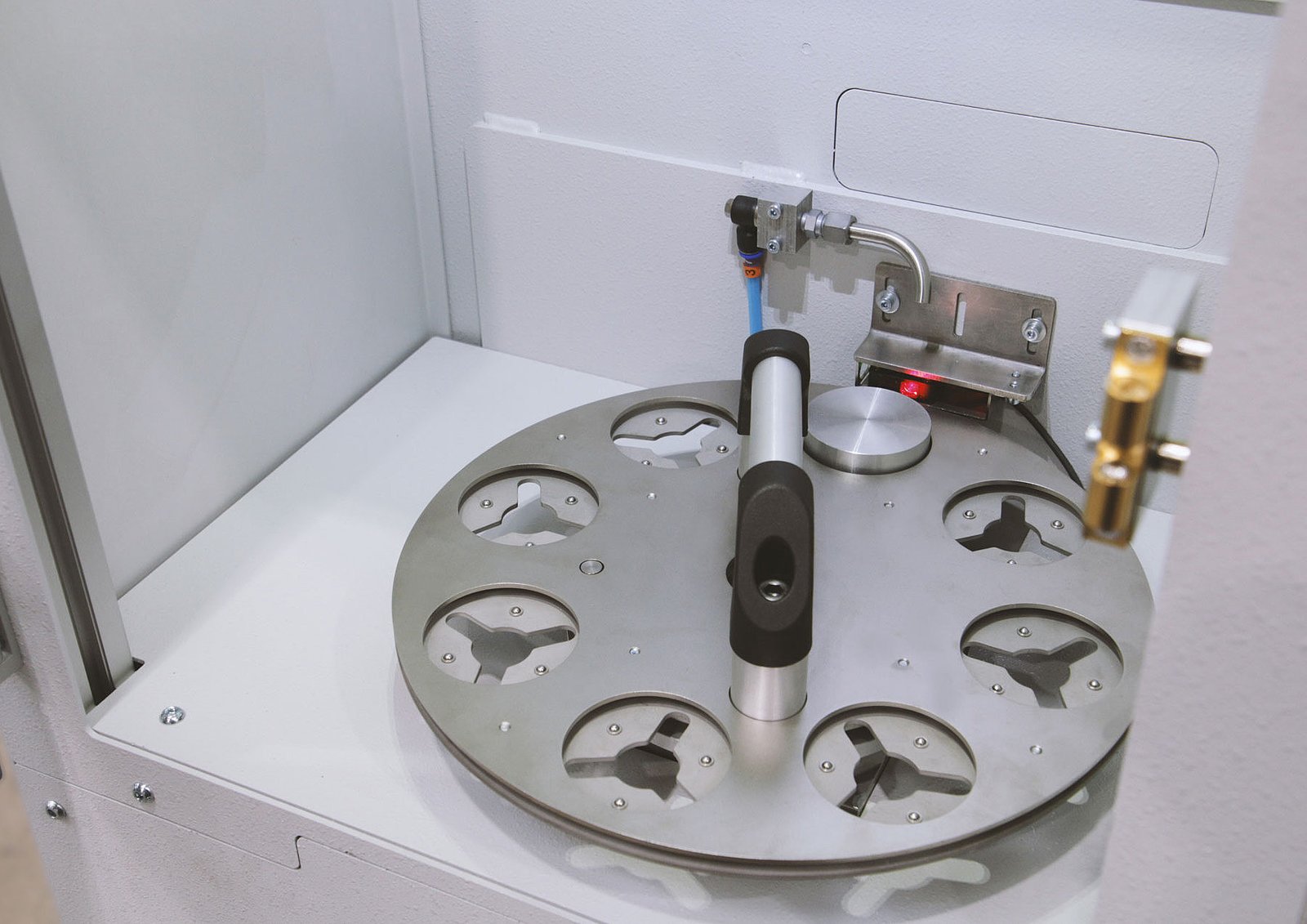
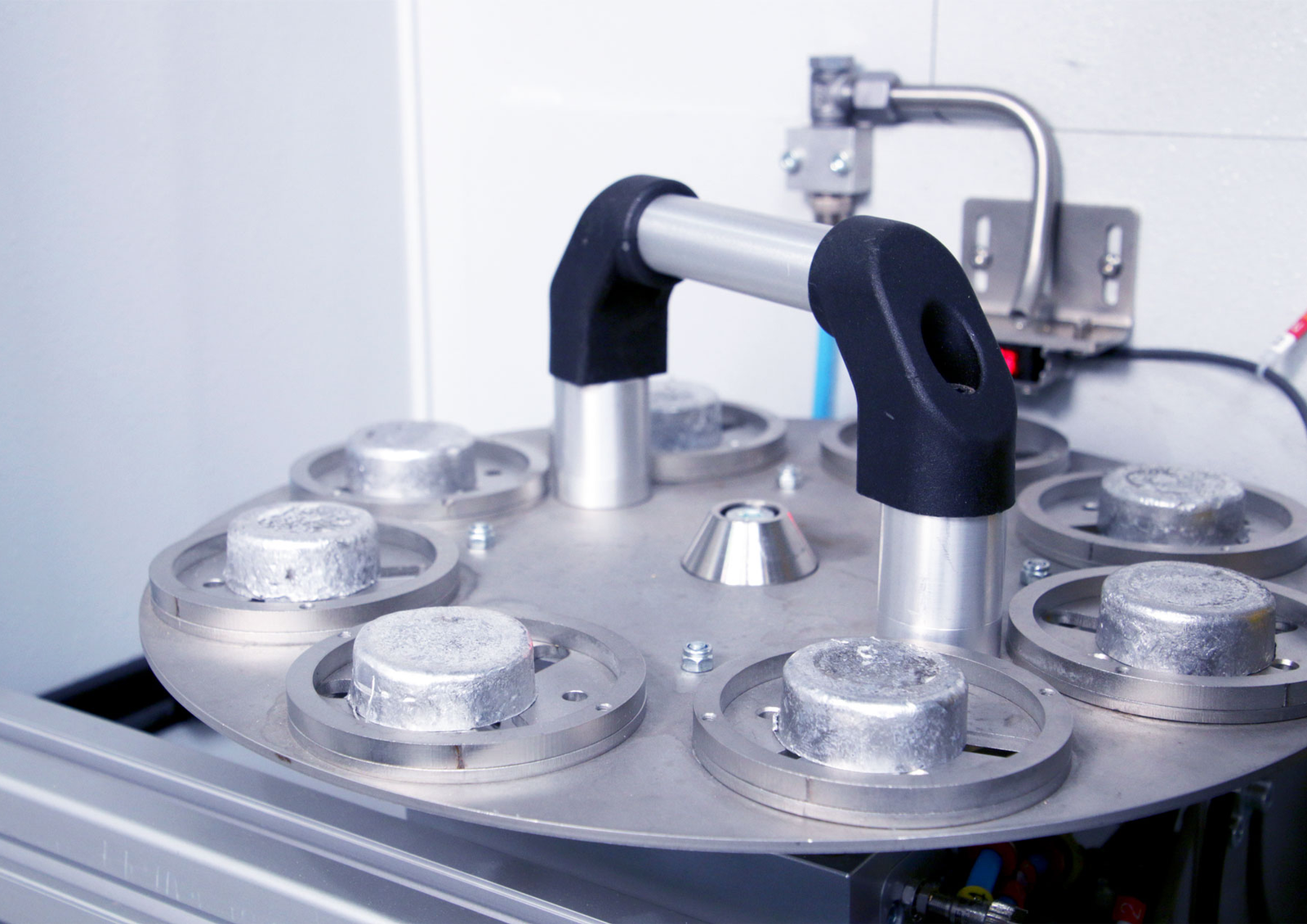
- Turntable magazine for 8 samples
- Chain magazine for 20 samples
- Spiral magazine for up to 100 samples
- Double conveyor magazine
- Conveyor belts (linear transports)
- Pneumatic tube station