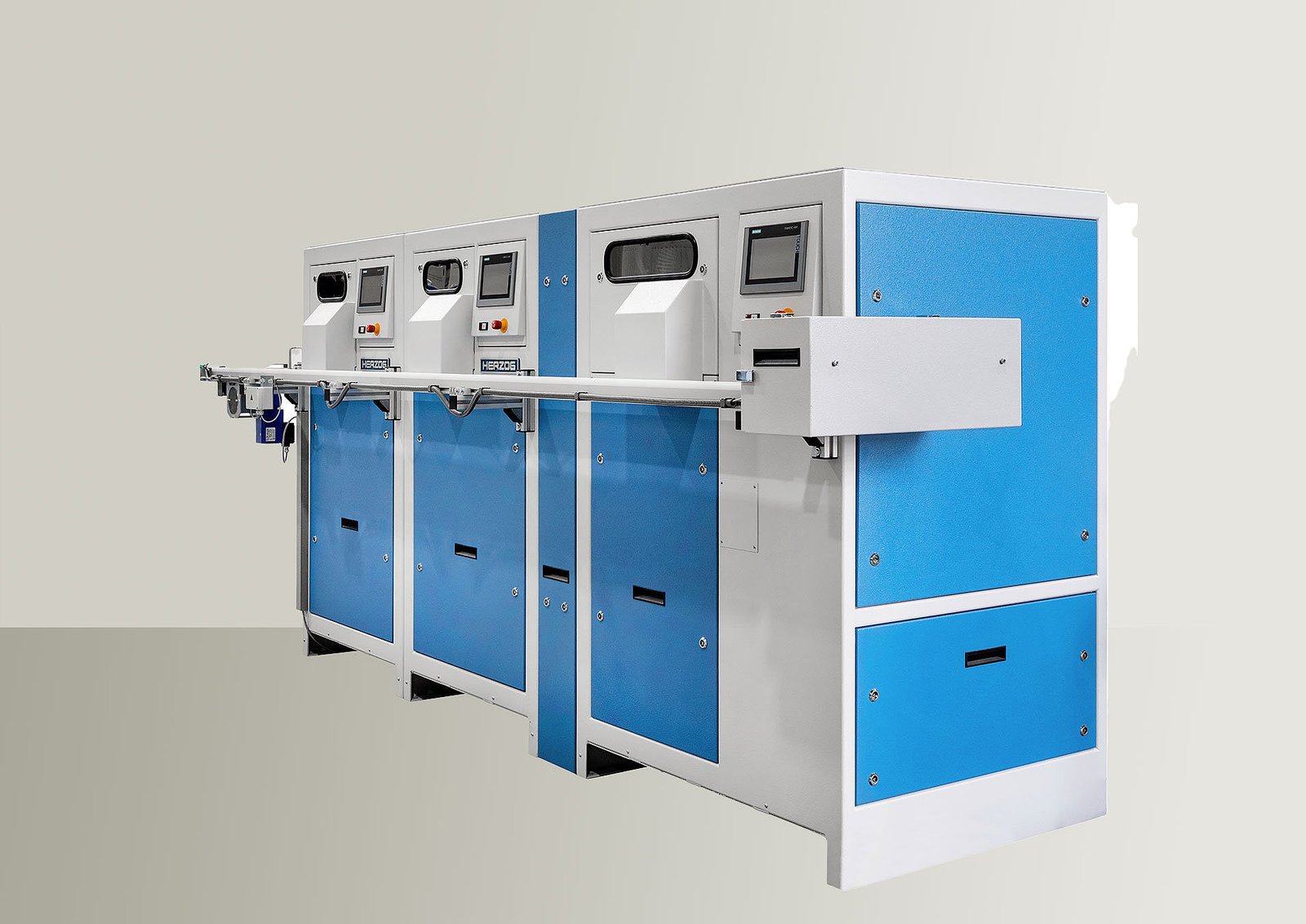
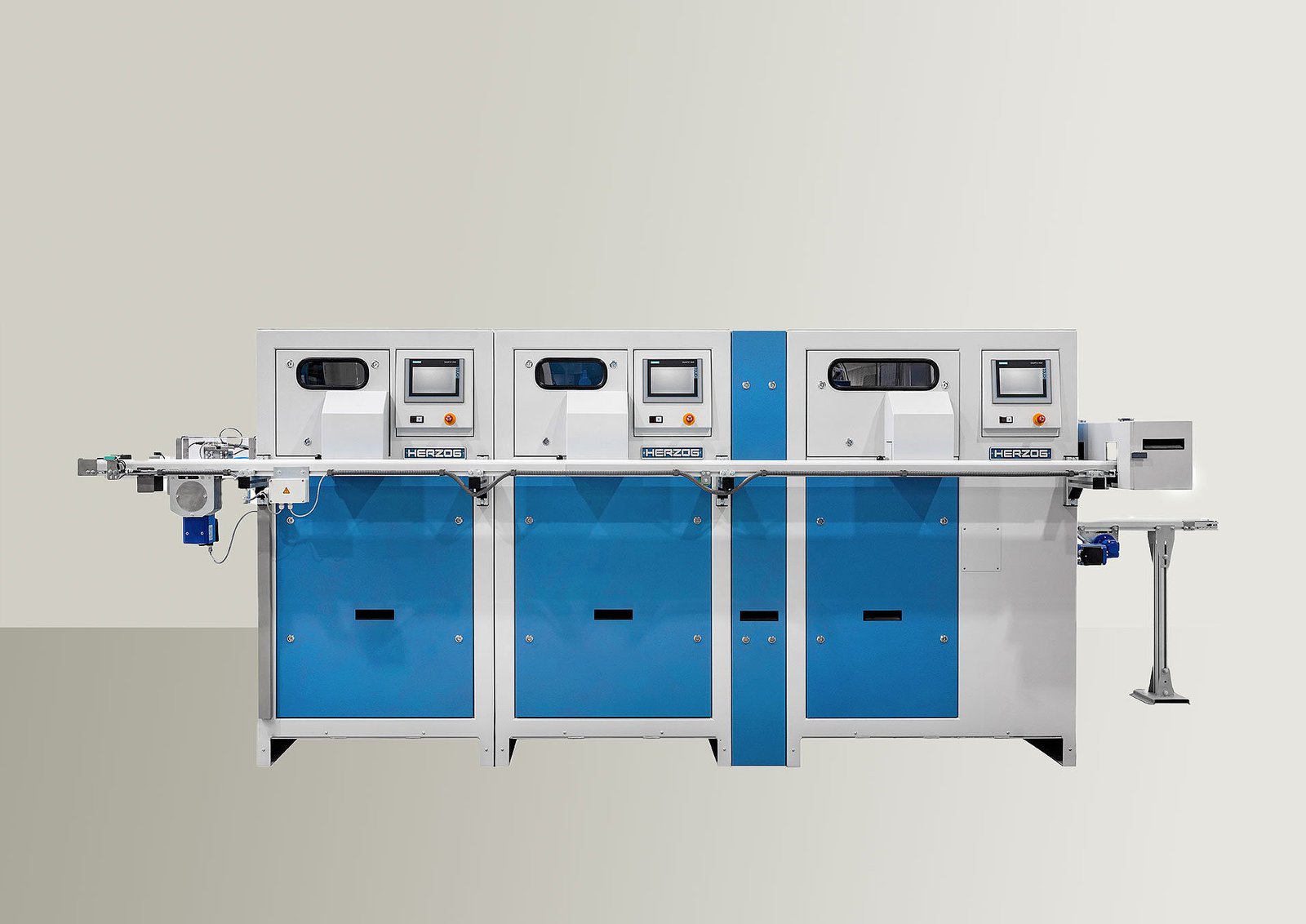
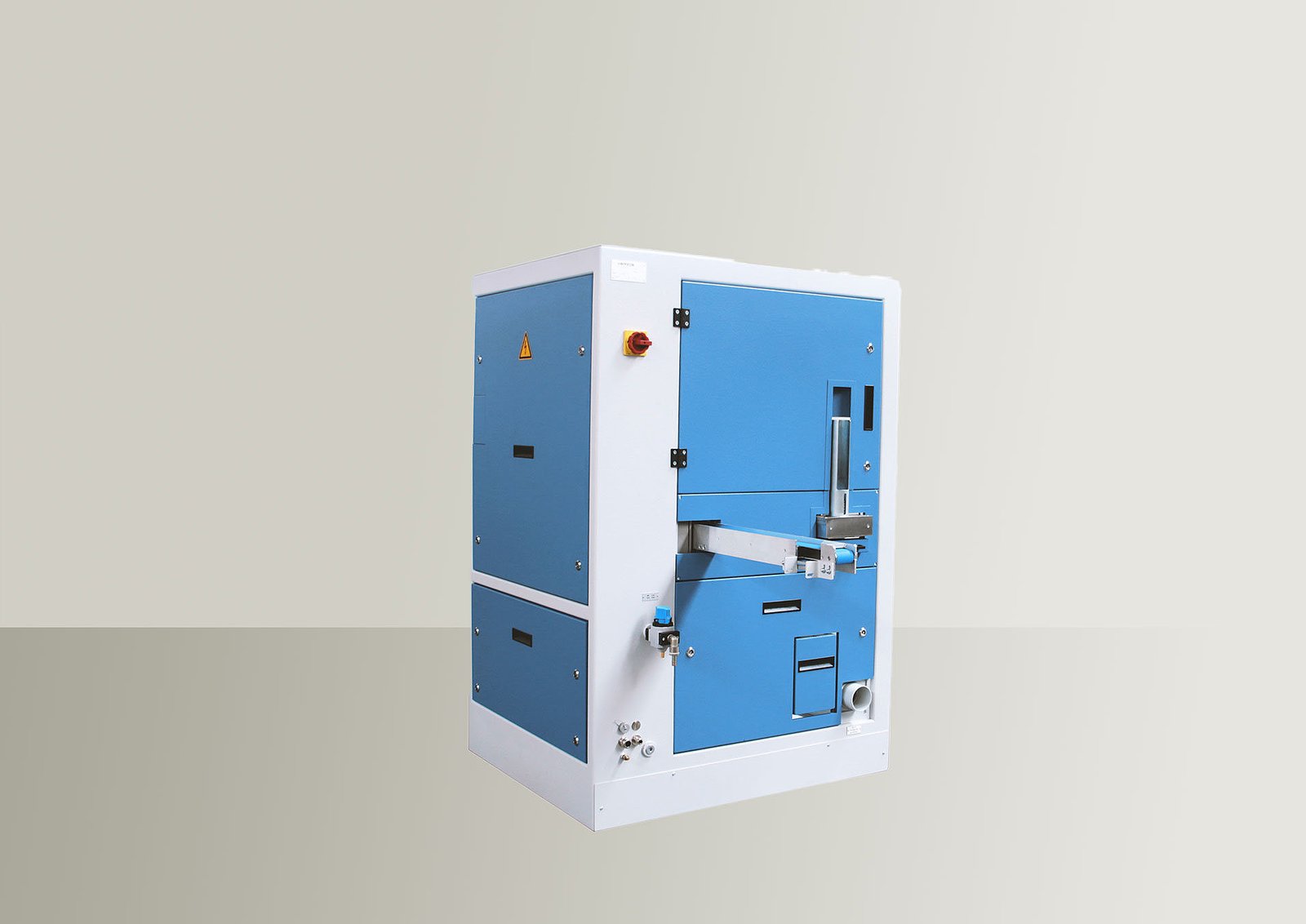
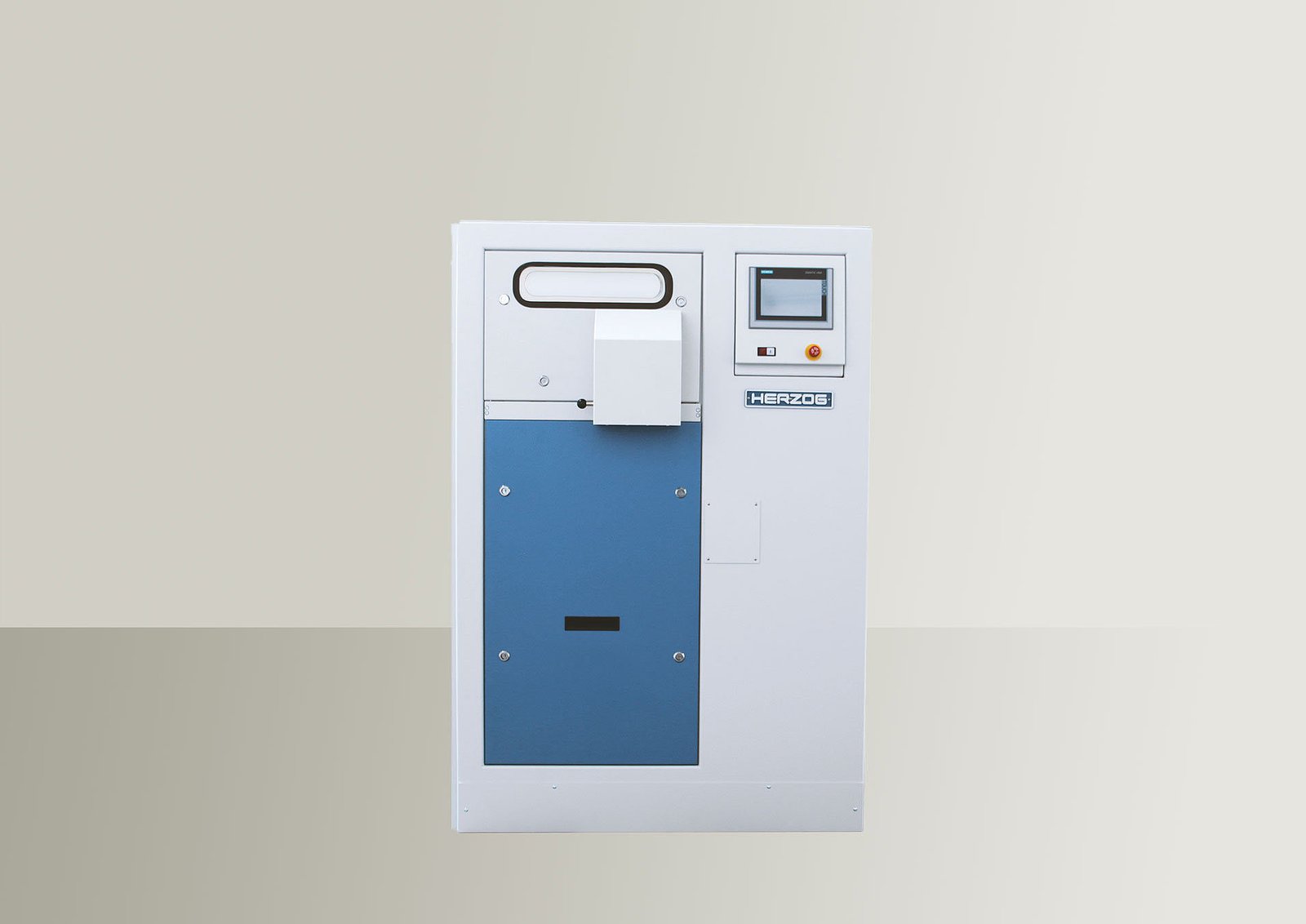
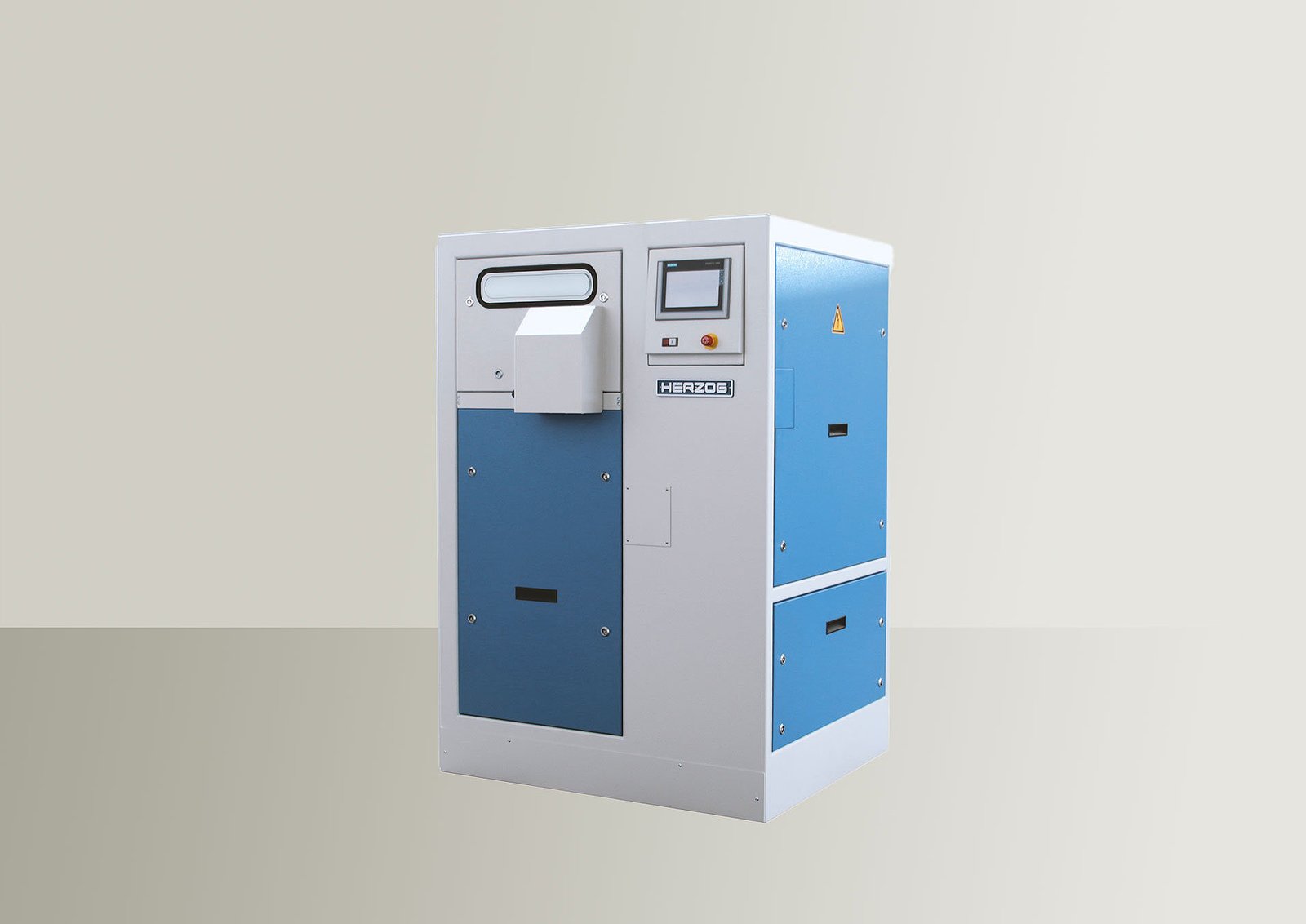
The solution for automatic pellet preparation- Modular design for maximum flexibility in each application
Area of application
Perfect quality of the pressed pellet
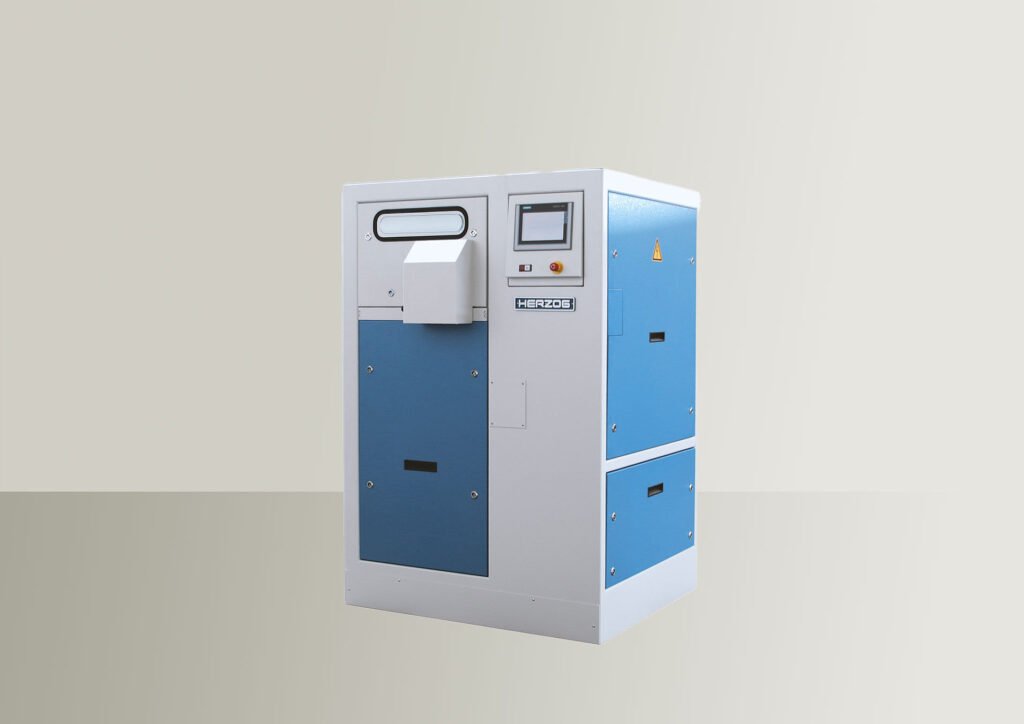
The HP-PA produces high quality pressed pellets with a smooth surface necessary for an optimal XRF results. The HP-PA achieves the desired uniformity and density of each individual pressed pellet with a maximum of reproducibility.
Avoidance of contamination
In the standard version of the press, the counter pressure plate of the die is cleaned with a brush which rotates in alternate directions. As an option, a Mylar film device effectively prevents material particles from becoming fixed to the counter pressure plate.
Program-controlled pelletizing for high reproducibility and throughput
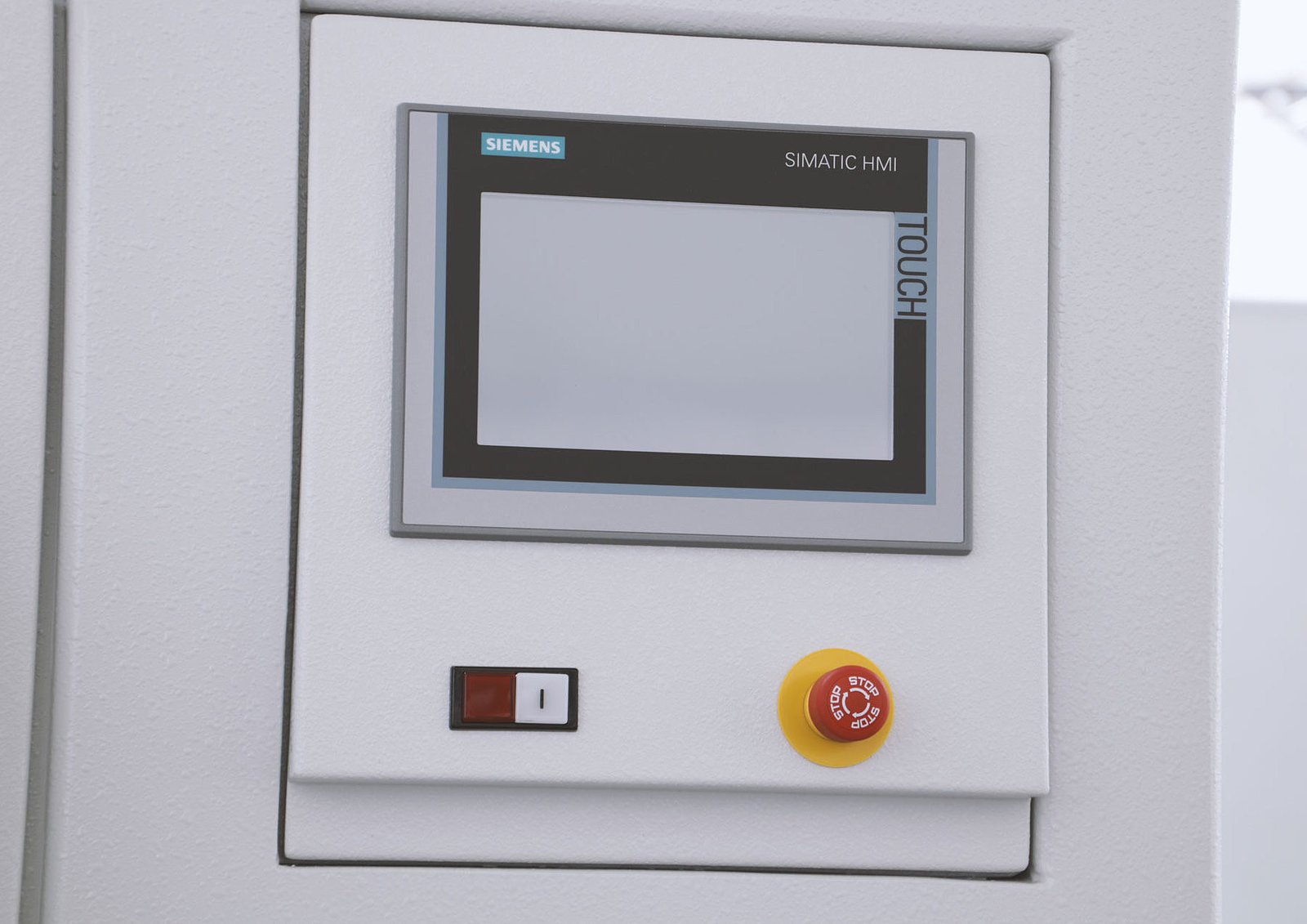
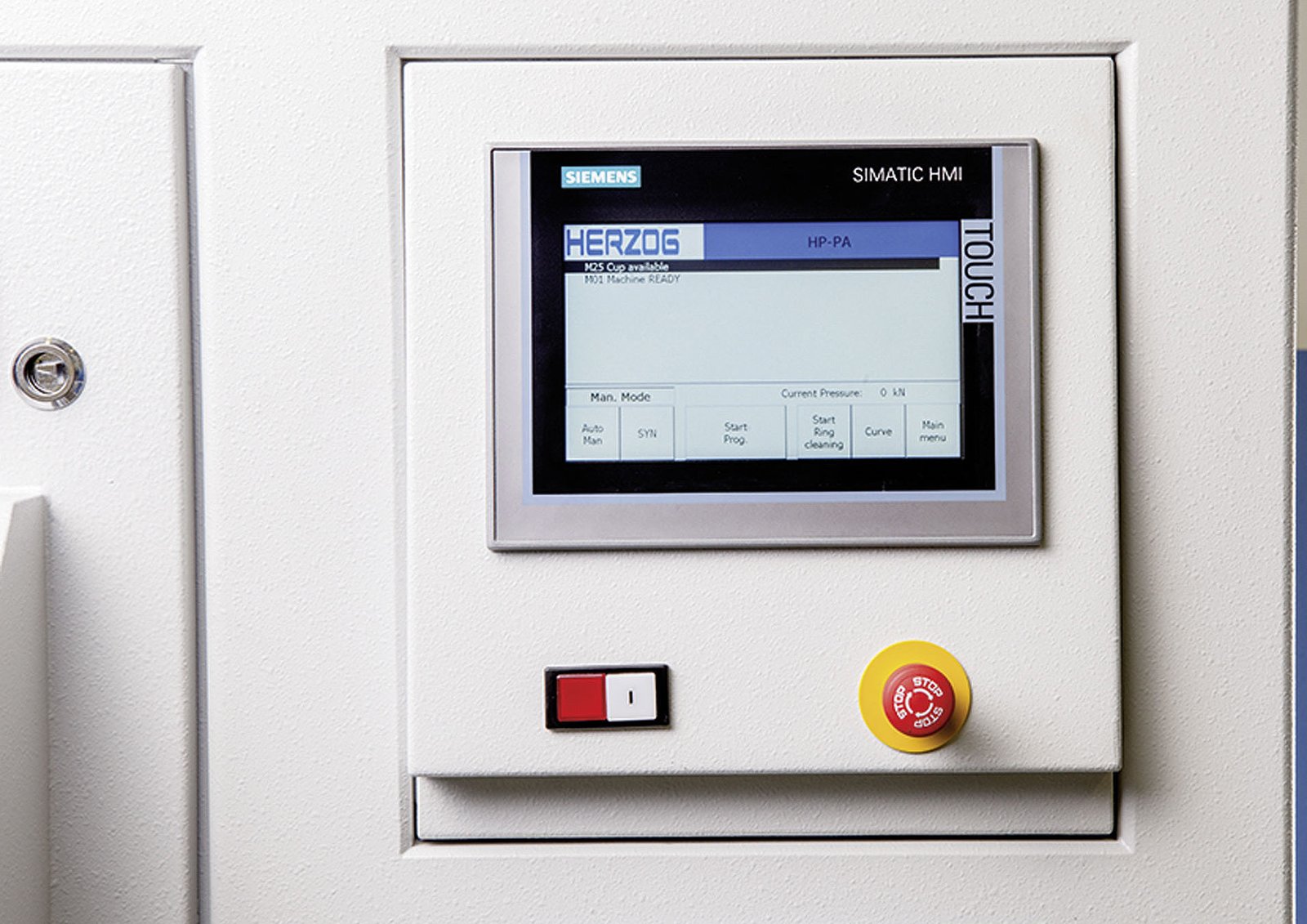
All parameters necessary for the pelletizing process such as total pressing force, incremental increase and decrease of pressing force and pressure holding time can be preset. They are clearly presented on the HMI control panel and can be easily adjusted. Due to the program-controlled automatic sequence, every sample is processed identically and is not subject to human error. Furthermore, the automatic sample operation guarantees a high sample throughput whenever required.
Modular design
Due to their modular design, the HP-MA and HP-PA can be easily linked together or combined with other components. Fully automatic sample preparation systems can be put together in an individual way.
Most requirements of the customers can be fulfilled with the Herzog system. The modular design guarantees step-by-step retrofitting and numerous possible combinations with other machines. It is possible to combine, e.g., two individual machines with manual feed and manual discharge, to add an automatic connection with conveyor belts, or design a fully automatic operation with an airtube receiving station and direct connection to an XRF spectrometer. Furthermore, the HP-MA and HP-PA can be easily integrated into a largescale robot automation.
Design options:
- Ring cleaning device
- Cleaning device for cups
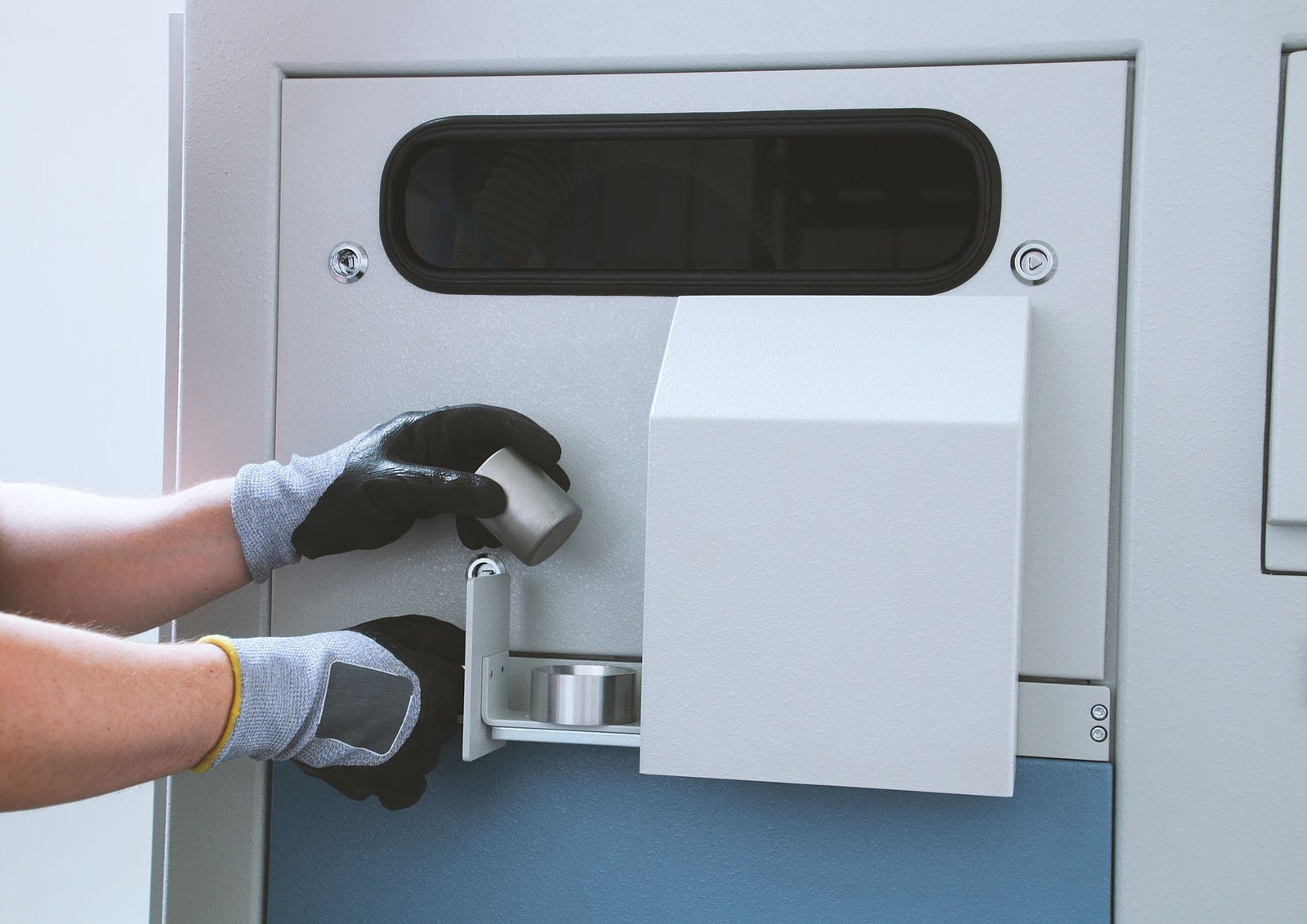
- Loading magazine (30 or 60 cups)
- Chute output magazine (30 or 60 cups)
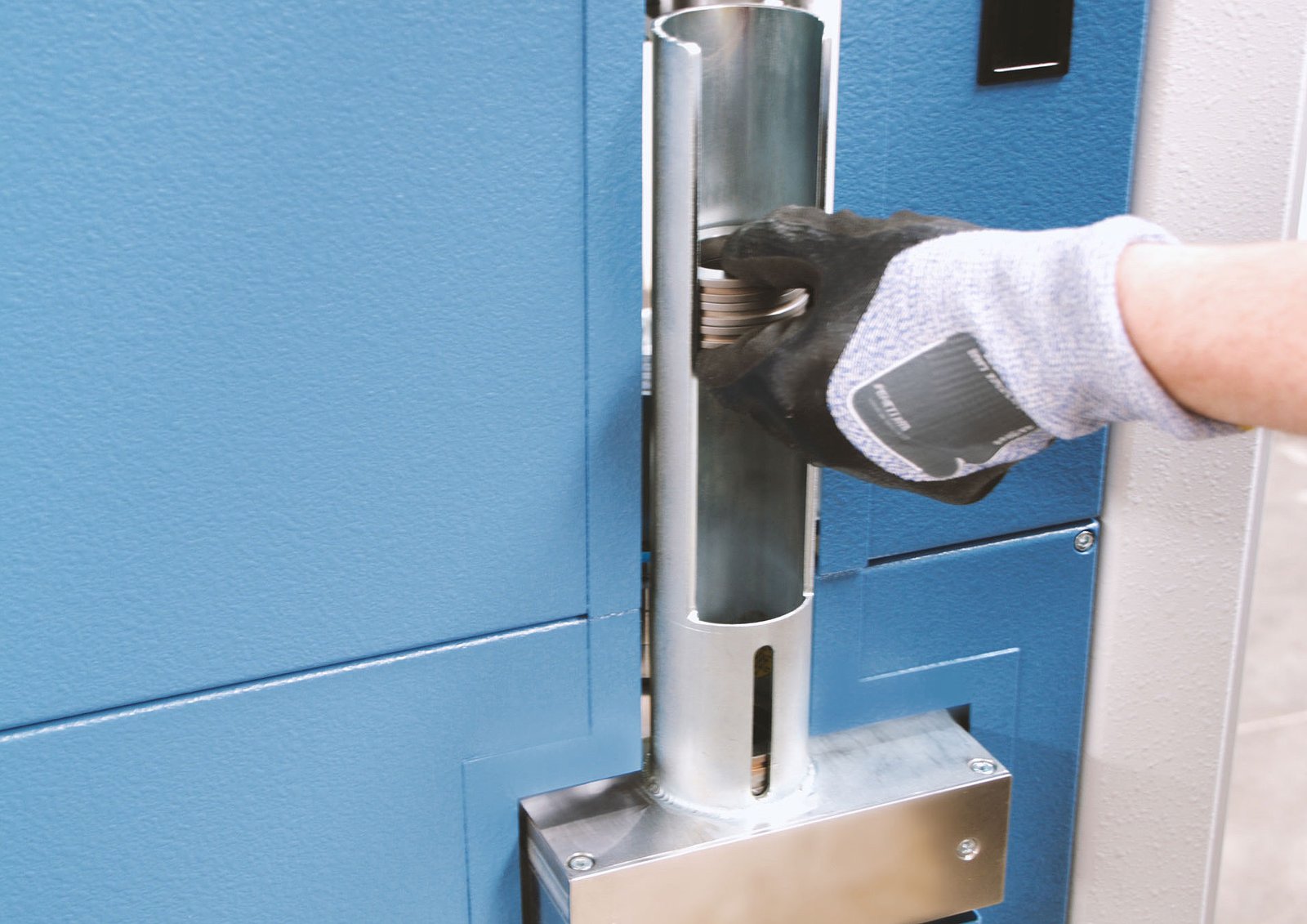
- Magazine for steel rings (30 positions)
- Magazine for steel rings (2 x 30 positions)
- Double dosing device
- Transport mechanism for Mylarfilm
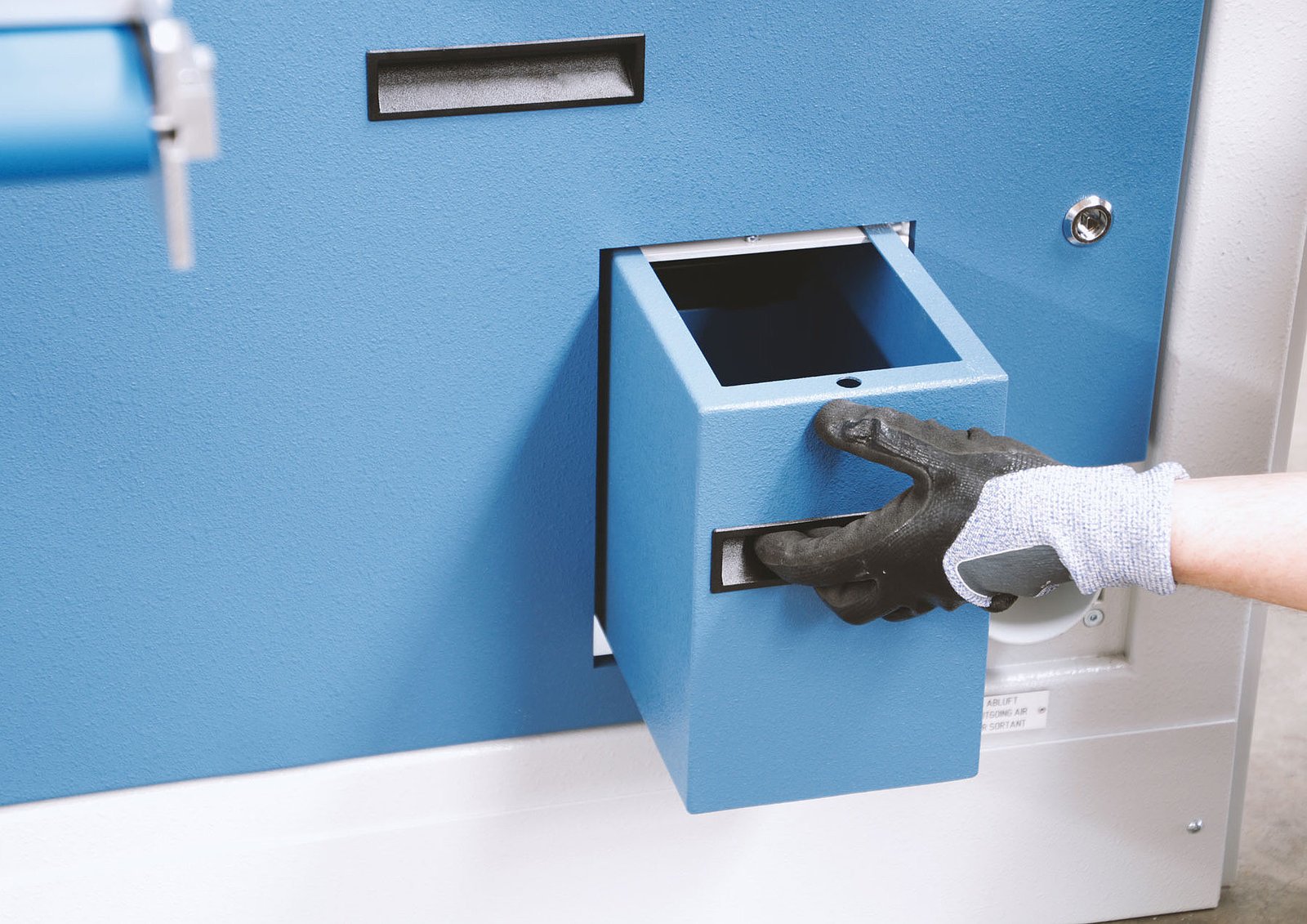
- Magazine for pressed pellets (30 positions)
- Magazine for pressed pellets (2 x 30 positions)
- Magazine for steel rings (2 x 30 positions)